Side Dishes
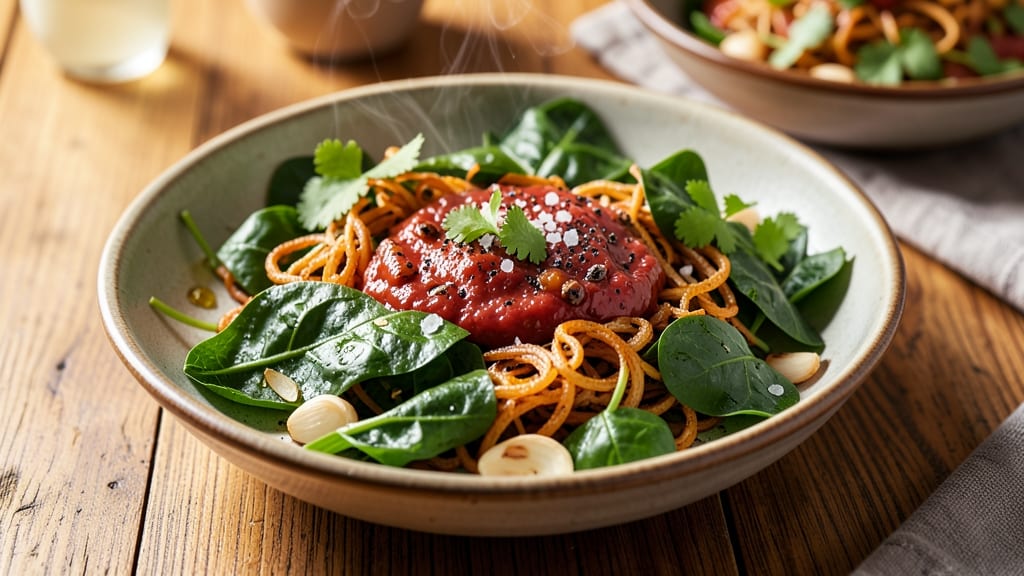
African potato leaves bring bold, earthy flavor to your table with their nutty, buttery richness that pairs perfectly with hearty meals. 🌿 This traditional recipe transforms simple greens into a vibrant side dish that's packed with nutrients and deep, savory notes—ideal for complementing rice, fish, or grilled meats.
The secret lies in proper preparation: cleaning, wilting, and cooking the leaves just enough to soften while preserving their natural texture.
The process starts with thorough washing to remove any grit, followed by wilting in a pot with onions and garlic for maximum flavor infusion. A touch of oil and seasoning enhances the leaves' natural nuttiness, creating a dish that's both comforting and sophisticated.
Unlike wilted spinach, African potato leaves hold their shape beautifully, making them a standout addition to any meal.
What you'll end up with is a side dish that's tender yet slightly crisp, infused with aromatic flavors that elevate any plate. The leaves develop a satisfying buttery texture when cooked properly, balancing their earthy taste with subtle richness.
This recipe is perfect for those looking to explore African cuisine or add a unique, nutrient-packed side to their dinner rotation.
Serve alongside steamed rice, grilled fish, or roasted chicken for a complete meal that feels both familiar and exciting. The versatility of African potato leaves makes them a staple worth mastering—once you try this authentic preparation, you'll want to make it regularly.
Ingredients for african potato leaves
Twelve ounces of fresh African potato leaves transform into a rich, earthy side dish with just these ten ingredients.
| Ingredient | Amount | Notes |
|---|---|---|
| African Potato Leaves 🌿 | 12 oz | Fresh, stems removed, washed thoroughly |
| Yellow Onions 🧅 | 1 whole | Medium size, sliced thin |
| Garlic Cloves 🧄 | 4 cloves | Peeled, minced finely |
| Vegetable Oil 🫒 | 2 tbsp | Light or neutral oil preferred |
| Salt 🧂 | 1 tsp | Kosher or sea salt |
| Black Pepper 🌶️ | ½ tsp | Freshly ground preferred |
| Bay Leaves 🍃 | 2 whole | Dried, crushed lightly |
| Fresh Ginger 🌿 | 1 tbsp | Grated finely, aromatic |
| Tomato Paste 🍅 | 1 tbsp | Smooth, no sugar added |
| Water 💧 | ½ cup | Room temperature |
| Butter 🧈 | 1 tbsp | Unsalted, for richness |
| Scotch Bonnet Peppers 🌶️ | 1 whole | Optional, for heat (seeds removed) |
African potato leaves are the star here, and where you source them matters. African or Caribbean markets often carry them fresh, but if unavailable, substitute collard greens or kale—though the flavor won’t be identical. Look for leaves that are vibrant, not wilted, and avoid any with brown spots. If using dried leaves, soak them in warm water for 20 minutes first. The onions and garlic should be fresh, with no signs of sprouting. For the Scotch bonnet, Trader Joe’s or Latin markets usually stock them—they’re essential for that signature heat, but you can omit them entirely if you prefer a milder dish.
No African potato leaves? Collard greens or kale work in a pinch, but they’ll lack the same buttery richness. Fresh ginger is ideal, but ground ginger at half the amount will do if needed. The tomato paste can be swapped for 1/4 cup diced fresh tomatoes, though it’ll be less concentrated. For extra depth, smoked paprika at 1/4 tsp adds a smoky note. The butter at the end is non-negotiable—it’s what gives the dish that signature buttery texture. If you’re avoiding dairy, use vegan butter or coconut oil, though the flavor will shift slightly.
These leaves keep best in the fridge, wrapped in a damp towel, for up to 3 days. Once cooked, the dish reheats beautifully—just add a splash of water and cover until warm. For meal prep, store in airtight containers for 4-5 days. The flavor actually improves overnight as the leaves soften further. If you make a big batch, freeze portions in single servings for up to 3 months. Thaw in the fridge overnight for the best texture.
Why You'll Love This Recipe
- Five-Ingredient Magic: I swear by this recipe—just those five ingredients transform into something rich and satisfying. No fancy prep, no hidden shortcuts; it’s all about letting the African potato leaves shine with onions and garlic.
- Crispy-Garlicky Bliss: That moment when the leaves hit the pan and crisp up? Pure satisfaction. The garlic sings while the onions caramelize, and suddenly, your kitchen smells like a homecoming.
- Weeknight to Potluck: I make this for lazy nights when I don’t want to fuss, but it’s also the dish I bring to gatherings. Wrap it in tortillas for a handheld meal or serve it as a side—it’s that adaptable.
- Budget-Friendly Staple: African potato leaves are a secret weapon for stretching meals without breaking the bank. A single bag lasts forever, and the flavor is so bold, it feels like a splurge even when it’s not.
Step-by-step instructions for African potato leaves
Transform these vibrant greens into a rich, nutty dish with this straightforward method.
🍳 Step 1: Sauté Aromatics Until Fragrant
Heat the 2 tablespoons vegetable oil in a large skillet over medium heat. Add the 1 whole yellow onion, sliced thin, and cook for 5 minutes until translucent and just beginning to caramelize at the edges. You'll notice the onions soften and their color lighten from white to pale gold.
Add the 4 cloves garlic cloves, minced finely, and the 1 tablespoon fresh ginger, grated, cooking for another 1 minute until the garlic becomes golden and fragrant. This step builds the flavor foundation—don't rush it. The garlic should smell sweet and pungent, not burnt.
🍳 Step 2: Add Spices and Tomato Paste
Stir in the 1 tablespoon tomato paste, 1 teaspoon salt, and ½ teaspoon black pepper, cooking for 2 minutes until the tomato paste darkens slightly and the spices meld with the aromatics. The mixture should look moist but not soupy.
Add the 2 whole bay leaves, crushed lightly, and the ½ cup water. Bring to a gentle simmer, then reduce heat to low. Let it cook uncovered for 5 minutes to allow the flavors to develop fully. You'll see the water reduce slightly and the spices release their aroma.
👨🍳 Step 3: Cook the African Potato Leaves
Add the 12 oz African potato leaves, stems removed and washed thoroughly, to the skillet. Stir gently to combine with the aromatic mixture. Cook for 5-7 minutes on medium-low heat, stirring occasionally, until the leaves begin to wilt and soften. You'll notice the vibrant green color deepen as the leaves release their natural oils.
If the leaves seem dry, add 1-2 tablespoons water to maintain moisture. The goal is tender but still slightly crisp leaves—overcooking will make them mushy. The leaves should be bright green with just a hint of wilt when done.
🔥 Step 4: Finish with Butter and Scotch Bonnet
Reduce heat to low and stir in the 1 tablespoon butter. Let it melt completely, coating the leaves evenly. The butter adds richness and helps bind the flavors together.
If using, add the 1 whole Scotch bonnet pepper, seeds removed and finely chopped, for a subtle heat. Cook for another 1-2 minutes until the butter is fully incorporated and the leaves are heated through. Remove from heat and let it rest for 2 minutes before serving.
🍽️ Step 5: Serve Warm and Enjoy
Taste and adjust seasoning if needed—you may need a pinch more salt or pepper to balance the flavors. Serve immediately while warm, garnished with additional black pepper if desired. The leaves should be tender but still hold their shape, with a rich, nutty flavor from the butter and aromatic spices.
This dish pairs beautifully with steamed rice or grilled fish, making it a versatile addition to any meal. The earthy greens and buttery finish create a satisfying, flavorful experience that highlights the unique taste of African potato leaves.
Pro Tips For Making African Potato Leaves
- STRIP THE STEMS FIRST: African potato leaves (like spinach or callaloo) cook faster and softer when you remove the thick stems before chopping—toss them in a separate pot if you want to use them. I learned this the hard way after ending up with a pot of half-mushy, half-crunchy leaves. Takes 30 seconds but makes a real difference in texture.
- SWEAT THE ONIONS LOW: Don’t rush the onions—cook them on medium-low heat until they’re translucent and just starting to caramelize (about 5-7 minutes). I used to crank the heat, and the onions would burn before the garlic got a chance to sing. Patience here means deeper flavor when the leaves hit the pot.
- SALT THE WATER LESS: African potato leaves wilt dramatically when cooked, so the water loses volume fast. Start with half the usual salt (about 1 tsp per 4 cups water) and add more at the end—oversalting early is a rookie mistake. Taste the water before adding the leaves; it should taste like the sea, not the ocean.
- USE GARLIC LIKE A BOSS: Crush the garlic cloves before adding them to the pot—this releases more flavor. I was skeptical until I tried it: the dish went from "good" to "wow" in one step. If you’re lazy, mincing is fine, but crushing guarantees that aromatic punch without overpowering the leaves.
Troubleshooting great african potato leaves
Leaves Staying Too Crisp
If your African potato leaves aren’t softening enough, you’re likely cooking them at too high a temperature. Reduce heat to medium-low and add 1-2 tablespoons water to create steam—this helps break down the fibers.
Cover the skillet with a lid for 2-3 minutes to trap moisture, then uncover and stir gently. The leaves should wilt within 5-7 minutes total. 🌿
Mushy or Slimy Texture
Overcooking is the usual culprit here. Once the leaves start wilting, they only need 1-2 more minutes of cooking. If they’ve turned slimy, you’ve likely added too much liquid. Drain any excess water immediately and cook uncovered on low heat to evaporate moisture.
For extra tenderness, finish with a pat of butter—it coats the leaves and prevents further breakdown.
Bitter or Harsh Flavor
This usually means the leaves weren’t washed thoroughly or were old. Rinse them in ice water for 10 minutes before cooking to remove any residual dirt or bitterness. If using dried leaves, soak them in warm water with a pinch of salt for 20 minutes before cooking.
Fresh ginger and garlic help mask bitterness, so don’t skip those aromatics—they’re flavor anchors. 🧄
Uneven Cooking
Stirring too aggressively can tear the leaves and create uneven cooking. Instead, gently fold them into the pan with a spatula, letting them wilt in place. If some leaves cook faster, remove them to a plate and finish them separately before mixing back in.
For large batches, work in two batches to avoid overcrowding the pan. 🔥
Butter Not Melting Properly
If your butter stays in clumps, reduce heat to low and let it melt gradually. Cold butter can cause the leaves to steam instead of crisp slightly. For a smoother finish, warm the butter in a separate small pan first, then stir it into the leaves at the very end.
If using vegan butter, heat it slightly longer since plant-based fats melt at lower temperatures. ✨
Nutrition facts
Frequently asked questions
What are African potato leaves and where can I find them?
African potato leaves (often called Solanum scabrum) are leafy greens with a nutty, earthy flavor. You'll typically find them in African or Caribbean markets, or sometimes in specialty grocery stores with international sections. If unavailable, collard greens or kale work as substitutes, though they won't have the same rich taste. Look for fresh, vibrant leaves without brown spots or wilting.
Can I use dried African potato leaves instead of fresh?
Yes, but you'll need to soak them first! Place dried leaves in warm water with a pinch of salt for 20 minutes to rehydrate. Drain well before cooking, then follow the recipe as written. The texture will be slightly different—fresh leaves stay more tender—so expect them to wilt faster.
How do I store leftover African potato leaves?
Store cooked leaves in an airtight container in the fridge for 4-5 days. For longer storage, freeze portions in single servings for up to 3 months. Thaw overnight in the fridge for best texture. The flavor actually improves overnight as the leaves soften further. Uncooked fresh leaves keep wrapped in a damp towel for 3 days in the fridge.
What's the secret to getting the perfect texture?
The key is medium-low heat and patience! Cook the leaves for 5-7 minutes until just wilted—they should remain slightly crisp with bright green color. Overcooking turns them mushy. Add 1-2 tablespoons water if needed to create steam, then cover for 2-3 minutes to soften gently. Finish with butter to coat and enhance tenderness.
Are African potato leaves safe to eat raw?
No, they should always be cooked. Raw African potato leaves contain solanine, a natural compound that can cause stomach upset. Proper cooking breaks down this compound while preserving their delicious nutty flavor. The recipe's sautéing method ensures they're safe and flavorful.