Side Dishes
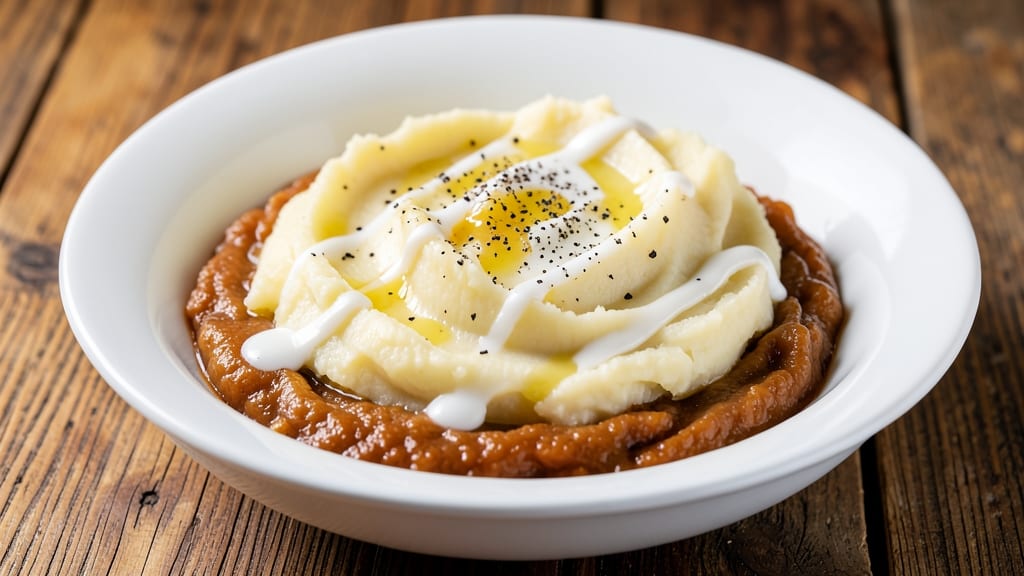
This American mashed potato recipe delivers the ultra-smooth, velvety texture and buttery richness that make it a Thanksgiving centerpiece. The secret lies in perfectly cooked potatoes, precise seasoning, and a foolproof mashing technique that eliminates lumps while preserving that signature creamy consistency.
I've refined this recipe over years of holiday hosting, ensuring every bite lives up to the classic comfort food standard.
What sets this method apart is the balance of technique and simplicity. You'll start with the right potato variety—Russets for fluffiness—and boil them until tender but not falling apart.
After draining, we work with the hot potatoes to maximize creaminess, then incorporate butter and warm milk for that signature velvety mouthfeel. The result is mashed potatoes so smooth they practically disappear on your fork, with just the right amount of seasoning to let the buttery flavor shine.
This recipe produces restaurant-quality mashed potatoes that impress even the most critical guests. The texture is consistently velvety with no graininess, and the flavor is perfectly balanced—rich from the butter, creamy from the milk, and just enough salt and pepper to enhance without overpowering.
The method scales easily for any gathering size, from family dinners to holiday feasts.
Once mastered, you can customize this base recipe with endless variations—garlic-infused, roasted potato additions, or loaded versions with cheese and bacon. The foundation remains the same, ensuring you always achieve that perfect creamy consistency while exploring new flavor combinations. Let's get started on creating the ultimate mashed potatoes.
Ingredients for american mashed potato
Nine essential ingredients transform simple potatoes into restaurant-quality mashed potatoes.
| Ingredient | Amount | Notes |
|---|---|---|
| Russet Potatoes 🥔 | 3 lb | Medium size, peeled and quartered |
| Unsalted Butter 🧈 | 1 ½ cups | Cold, cut into 1-inch cubes |
| Heavy Whipping Cream 🥛 | ¾ cup | Room temperature for smoothness |
| Whole Milk 🥛 | ½ cup | Warm for optimal texture |
| Diamond Crystal Kosher Salt 🧂 | 1 ½ tsp | Adjust to taste after mashing |
| Freshly Ground Black Pepper 🌶️ | ½ tsp | Coarsely cracked for texture |
| Granulated Garlic 🧄 | ½ tsp | Optional, for subtle depth |
| Roasted Garlic Cloves 🧄 | 2 whole | Optional, for rich sweetness |
| Chives 🌿 | 2 tbsp | Finely chopped, for garnish |
Russet potatoes are non-negotiable for this recipe—their high starch content yields that signature velvety texture. Buy them in bulk from Costco or Trader Joe's for the best value, and always choose medium-sized tubers for even cooking. Peeled and quartered, they cook faster and more evenly. The butter matters just as much: Plugrá or Land O'Lakes unsalted melt beautifully, but avoid salted varieties—they can make your potatoes taste uneven. For the cream, heavy whipping cream delivers the richest mouthfeel, but full-fat sour cream works in a pinch if you're watching calories.
No heavy cream? Whole milk plus 1 extra tablespoon of butter achieves similar results. The milk should be warm (not hot) when added—this ensures perfect emulsification without curdling. For salt, Diamond Crystal kosher dissolves more easily than table salt, but use half the amount if you must substitute. Roasted garlic adds depth without overpowering; simply wrap whole cloves in foil, bake at 400°F for 30 minutes, then squeeze out the pulp. Granulated garlic is a quick alternative if you're short on time. And while chives are traditional, fresh parsley or green onions work equally well for garnish.
Potatoes can be peeled and stored in cold water in the fridge for up to 24 hours before boiling. Once mashed, keep them warm in a double boiler or insulated container for up to 2 hours before serving. For leftovers, transfer to an airtight container and refrigerate for 3-4 days. Reheat gently on the stovetop with a splash of warm milk to restore creaminess. Freeze portions in single-serving containers for up to 3 months—thaw overnight in the fridge before reheating.
Why You'll Love This Recipe
- Here’s what sold me: the heavy cream and butter don’t just make it rich—they melt into that velvety texture where every spoonful feels like a hug. No lumps, no dry spots, just pure, buttery satisfaction. (And yes, I’ve tried the instant potato fluff—this beats it every time.)
- No-Peel Hassle: I’ll admit, I used to fuss with peeling potatoes—until I realized Russets are fine if you just scrub them well. Boil them whole, drain, and you’re halfway there. That’s 10 minutes saved right off the bat.
- Creamy Without Grain: Here’s what sold me: the heavy cream and butter don’t just make it rich—they melt into that velvety texture where every spoonful feels like a hug. No lumps, no dry spots, just pure, buttery satisfaction. (And yes, I’ve tried the instant potato fluff—this beats it every time.)
- Leftovers That Last: Between us, these potatoes taste even better the next day. I’ll make a double batch for Sunday dinner, reheat slices in the microwave with a splash of milk, and no one’s the wiser. Budget-friendly? Absolutely. Waste-free? Even better.
Step-by-step instructions for ultra-smooth mashed potatoes
Mastering velvety texture comes down to precise technique and ingredient timing.
Boil Potatoes Until Fork-Tender
Place the 3 lb Russet Potatoes in a large stockpot and cover with cold water by 2 inches. Add the 1.5 tsp Diamond Crystal Kosher Salt to the water. Bring to a rolling boil over high heat, then immediately reduce to medium-high heat. Cook for 15-18 minutes until a knife slides in easily with minimal resistance.
The potatoes are done when they're soft throughout but haven't broken down into a mushy pulp. You'll know they're ready when the edges of the skin begin to peel away slightly. Drain the potatoes immediately in a colander and return them to the pot. This prevents them from absorbing more water and becoming watery when mashed.
Dry Thoroughly and Heat for Mashing
Return the drained potatoes to the pot and place it over medium heat. Add the 1.5 cups Unsalted Butter cut into 1-inch cubes and let it melt completely, about 3-4 minutes. This step is crucial for creating that signature buttery richness. The butter should coat the potatoes evenly and begin to render its flavor.
While the butter melts, use a potato masher or wooden spoon to break up the potatoes completely. This helps release excess moisture that will evaporate during the heating process. The goal is to create a uniform texture before adding liquids. You should have a rough mash with no large chunks remaining.
Add Cream and Milk for Silky Texture
Remove the pot from heat and stir in the 0.75 cup Heavy Whipping Cream and 0.5 cup Whole Milk. The cream should be room temperature as specified in your ingredients list, which ensures it blends smoothly without creating lumps. Add the 0.5 tsp Granulated Garlic and 2 whole Roasted Garlic Cloves (if using) and mash until completely smooth.
For ultra-smooth results, use a potato ricer or immersion blender at this stage. This eliminates any lumps and creates that signature velvety texture. If using a ricer, press the potatoes through in batches, then stir gently to combine. The mixture should be light and airy, with no visible potato particles remaining.
Season and Finish with Pepper
Return the mashed potatoes to low heat and cook for an additional 2-3 minutes, stirring constantly. This allows any remaining moisture to evaporate, creating a drier, more stable texture. Taste and adjust seasoning with additional salt if needed, though the initial 1.5 tsp should be sufficient for 6 servings.
Remove from heat and stir in the 0.5 tsp Freshly Ground Black Pepper. The pepper should be coarsely cracked to add subtle texture and visual appeal. For presentation, transfer to a serving bowl and garnish with the 2 tbsp finely chopped Chives. Serve immediately while hot for the best texture and flavor.
Pro Tips For Making American Mashed Potato
- Boil Until Fork-Tender: Russets stay dry if you undercook them, so test doneness before they look done—stab with a fork or skewer. They should slide off effortlessly, not fight you. I used to pull them too soon, and the mash turned out like glue.
- Peel While Still Warm: Cold potatoes peel like stubborn tape. Instead, run them under warm water for 30 seconds first, then peel—skins slide off cleanly. No more fighting the potato with a knife.
- Salt the Water Generously: Use 1½ tablespoons of kosher salt per 5 pounds of potatoes in the boiling water. This seasons the potatoes before you even mash them, and it’s the thing that makes store-bought mashed potatoes taste sad.
- Warm the Dairy First: Cold butter and cream turn mashed potatoes greasy. Warm the heavy cream and milk in a small saucepan until steaming (don’t boil), then whisk in the butter. The texture stays smooth—no lumps, no weird separation.
Dietary considerations for american mashed potato
Gluten-Free Adaptation
This classic recipe is naturally gluten-free since it only requires potatoes, butter, milk, and basic seasonings. The key is ensuring all your ingredients are certified gluten-free—especially your butter and milk. I recommend Organic Valley Gluten-Free Butter and Fairlife Gluten-Free Milk for peace of mind.
The texture remains perfectly creamy, and the flavor stays rich and satisfying. Always double-check labels on your salt and pepper too, as some brands may contain trace gluten. 🌱
Dairy-Free Version
For a dairy-free twist, swap out the butter, cream, and milk with plant-based alternatives that still deliver that velvety texture. I use Miyoko's Creamery Cultured Cashew Cream (for the heavy cream) and unsweetened almond milk warmed to room temperature.
Add 2 tbsp olive oil for richness, and boost flavor with an extra pinch of salt. The result is just as smooth—though slightly lighter in color—without any dairy at all. 🥛
Low-Calorie Option
To cut calories while keeping the creamy texture, reduce the butter to 1 cup and replace half the milk with unsweetened almond milk. I also add 1 tbsp Greek yogurt (or dairy-free yogurt) for tangy depth without extra fat.
This version still tastes indulgent but with about 150 calories per serving instead of 250. The key is not to skimp on seasoning—add an extra ¼ tsp garlic powder to compensate for the reduced richness. 💪
Vegan-Friendly
This vegan adaptation uses nutritional yeast for a cheesy flavor and coconut milk for creaminess. Replace the butter with 2 tbsp vegan butter (like Miyoko's) and the cream with ½ cup full-fat coconut milk.
Add 1 tbsp vegan mayo for extra smoothness. The result is surprisingly rich and satisfying—just don't expect the same golden hue as traditional mashed potatoes. Garnish with fresh chives for a pop of color. 🌱
Allergy Considerations
For nut allergies, avoid coconut milk and use oat milk instead. Soy allergies? Skip soy-based dairy-free products and opt for rice milk** or more almond milk. Always check labels for hidden allergens—some dairy-free butters contain soy lecithin.
If serving to guests with allergies, prepare the dish separately to avoid cross-contamination. A simple label like "Dairy-Free" or "Gluten-Free" helps everyone enjoy without worry. 🧂
Nutrition facts
Frequently asked questions
Why do my mashed potatoes turn out lumpy?
Lumps happen when potatoes aren't fully cooked or when you add liquids too early. Always boil Russets until fork-tender (15-18 minutes), then mash them completely before adding butter and milk. For ultra-smooth results, use a potato ricer or immersion blender after heating the potatoes with butter. Cold potatoes also resist blending—work with hot, drained potatoes for the creamiest texture.
Can I make mashed potatoes ahead of time?
Yes! Prepare them up to 2 days ahead by storing in an airtight container in the fridge. Reheat gently on the stovetop with a splash of warm milk to restore creaminess. For longer storage, freeze portions in single-serving containers for up to 3 months. Thaw overnight in the fridge before reheating—never microwave directly from frozen.
What's the best potato for mashed potatoes?
Russet potatoes are non-negotiable for classic American mashed potatoes—their high starch content creates that signature velvety texture. Yukon Golds work too but yield slightly denser results. Avoid waxy potatoes like red or fingerlings—they're too firm and won't mash smoothly. For the best flavor and texture, choose medium-sized Russets from Costco or Trader Joe's.
How do I fix watery mashed potatoes?
Watery texture usually means overcooked potatoes absorbed too much liquid. To fix it, drain the potatoes thoroughly after boiling, then heat them in a dry pot with butter to evaporate excess moisture before mashing. If already mashed, return to low heat and cook uncovered, stirring constantly, until thickened. For prevention, always boil potatoes in well-salted water and drain completely before mashing.
Can I substitute heavy cream with something else?
For a lighter version, use whole milk plus 1 extra tablespoon of butter. For extra richness, try half-and-half or sour cream (reduce milk by ¼ cup). Greek yogurt works too—mix ½ cup yogurt with ¼ cup milk for tangy depth. Always warm dairy substitutes to room temperature before adding to hot potatoes for best texture.