Sauces & Condiments
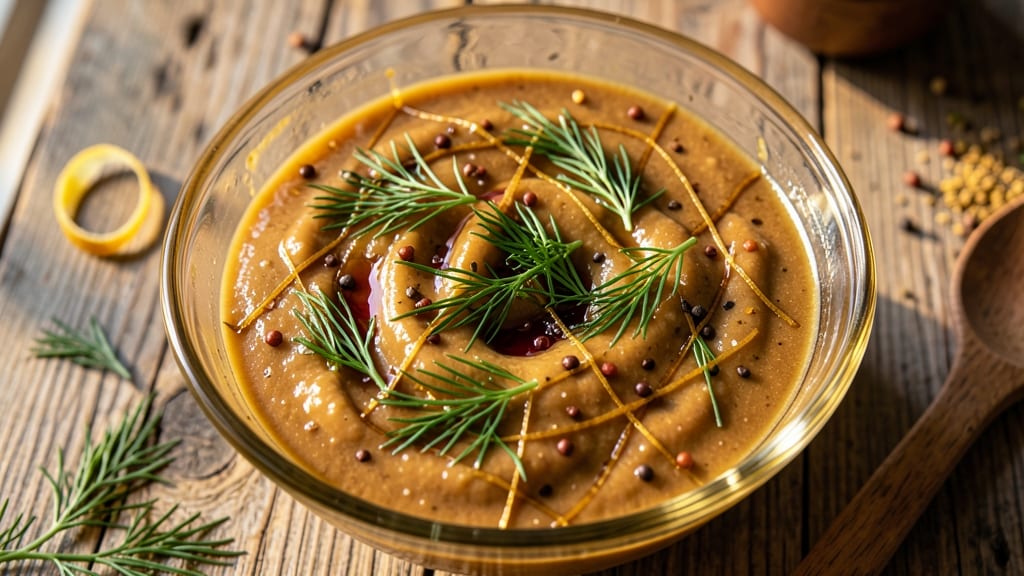
This Amish potato salad dressing recipe brings that classic homestyle creaminess without a drop of mayonnaise. 🌟 The secret lies in a perfect balance of apple cider vinegar, olive oil, and a touch of mustard that creates a tangy, rich base—just like my grandmother used to make.
I've been perfecting this dressing for years, and it's become my go-to for potato salads that taste like they've been simmering all day.
The dressing combines simple pantry staples with traditional Amish flavors—celery seeds for subtle earthiness, fresh dill for brightness, and a hint of sweetness from a touch of sugar.
What makes this recipe special is how it transforms ordinary potato salad into something truly special, with layers of flavor that keep getting better as they sit. The texture is velvety smooth without being heavy, making it perfect for both summer picnics and holiday gatherings.
What you'll end up with is a dressing that's creamy yet light, tangy yet balanced, and packed with the kind of homestyle flavor that makes every bite satisfying. It's the kind of recipe that proves you don't need fancy ingredients to create something extraordinary.
The best part? It keeps well in the refrigerator for up to a week, so you can make a big batch and enjoy it all season long.
This dressing works beautifully with both warm and cold potato salads, and it's especially good when paired with traditional Amish sides like homemade bread or fresh garden vegetables.
Whether you're hosting a family dinner or packing lunches for a week, this dressing will elevate your potato salad to restaurant-quality levels—without the fuss.
Ingredients for amish potato salad dressing
Nine simple ingredients create this velvety, tangy dressing that tastes like homemade love—no mayo needed!
| Ingredient | Amount | Notes |
|---|---|---|
| Apple Cider Vinegar 🍏 | ½ cup | Raw and unfiltered preferred |
| Extra-Virgin Olive Oil 🫒 | ¾ cup | Fruity, high-quality preferred |
| Dijon Mustard 🍯 | 2 tbsp | Mild or regular strength |
| Granulated Sugar 🍚 | 2 tbsp | Light brown sugar for depth |
| Celery Seeds 🌿 | 1 tsp | Freshly ground for best flavor |
| Fresh Dill 🌿 | ¼ cup | Chopped, stems removed |
| Dried Dill 🌿 | ½ tsp | Or substitute 1 tbsp fresh |
| Salt 🧂 | 1 tsp | Diamond Crystal kosher salt |
| Black Pepper 🌶️ | ½ tsp | Freshly ground preferred |
| Garlic Powder 🧄 | ½ tsp | Not garlic salt |
The apple cider vinegar and olive oil are the heart of this dressing. Bragg or Texas Pete vinegar adds that classic tang, while California Olive Ranch olive oil gives the perfect fruity richness. Look for vinegar that's raw and unfiltered—it's got more flavor. The mustard is non-negotiable; Maille Dijon is my go-to, but any good-quality Dijon works. Fresh dill? Grab a bunch from the grocery store's produce section—it's brighter than dried. If you're using dried dill, crush it between your fingers first to wake up those flavors.
No fresh dill? Dried works at one-third the amount, but honestly, fresh is worth it here. Short on apple cider vinegar? White vinegar or red wine vinegar will do in a pinch, but you'll lose that subtle apple sweetness. Want more depth? Add a teaspoon of honey or maple syrup to the sugar. The celery seeds can be tricky to find—Penzeys has them, or check the spice aisle at Whole Foods. No garlic powder? Fresh garlic minced works too, but toast it first for extra flavor.
This dressing keeps beautifully in the fridge for up to 1 week—perfect for meal prep. Store it in a clean jar with a tight lid, and give it a good shake before each use. It actually tastes better the next day as the flavors meld together. Need to make a big batch? Double the recipe—it's that good. I always make extra for my grandkids' lunches; they love it on their homemade potato salad sandwiches. The dressing thickens slightly when chilled, so thin with a splash of water or vinegar if needed.
Why You'll Love This Recipe
- No-Fuss Mixing: I swear by this—just shake a jar. No whisking, no straining, no tiny seeds floating in your dressing. The apple cider vinegar and Dijon cut through the richness of olive oil like a knife, and the celery seeds add depth without effort. Honestly, I’ve made it while chatting on the phone.
- Tangy-Sweet Balance: That sugar isn’t just for sweetness—it rounds out the sharpness of the vinegar and mustard, making every bite ridiculously good. The celery seeds? Tiny but mighty, giving it a subtle crunch and earthy kick that makes you go back for more. (Yes, even on a Tuesday night.)
- Picnic to Potluck: This dressing is my go-to for everything: drizzled over greens, tossed with roasted veggies, or even stirred into a quick potato salad. It’s the kind of thing that disappears fast—whether it’s a summer picnic or a holiday spread, it’s always a crowd-pleaser.
- Pantry Staple Magic: Between us, this recipe uses stuff you already have. No specialty trips, no wasted ingredients. A little goes a long way, so you’ll have leftovers for days—and since it keeps well, it’s my budget-friendly secret weapon for lazy weeknights.
Step-by-step instructions for homestyle Amish potato salad dressing
This creamy, tangy dressing comes together in minutes—no mayo needed!
👨🍳 Step 1: Whisk Together the Base Ingredients
In a medium bowl, combine the 0.5 cup apple cider vinegar and 2 tbsp Dijon mustard. Whisk vigorously for 30 seconds until smooth and fully incorporated. The vinegar will cut through the richness of the oil later, creating that perfect balance.
Next, add the 2 tbsp granulated sugar and whisk again until dissolved. This step is crucial—sugar helps balance the acidity and adds subtle sweetness that complements the potatoes beautifully. The mixture should look like a thick, pale syrup at this stage.
👨🍳 Step 2: Add the Aromatics and Seasonings
In a small bowl, lightly toast the 1 tsp celery seeds in a dry skillet over low heat for 30 seconds—just until fragrant. This quick toasting enhances their flavor without burning them. Let them cool slightly, then add to your dressing mixture.
Now stir in the 0.25 cup chopped fresh dill, 0.5 tsp dried dill, 1 tsp salt, 0.5 tsp black pepper, and 0.5 tsp garlic powder. Gently fold these in with a spoon to avoid crushing the fresh dill. The herbs should be evenly distributed—they'll bring that bright, fresh flavor that makes this dressing truly special.
🍳 Step 3: Slowly Emulsify the Olive Oil
With the motor running on low speed, very slowly drizzle in the 0.75 cup extra-virgin olive oil over 2-3 minutes. This gradual addition is key—it allows the dressing to emulsify properly, creating that silky, creamy texture without separating. If you add it too quickly, you'll end up with a split dressing.
After all the oil is incorporated, taste and adjust seasoning if needed. You might want to add a pinch more salt or a splash of vinegar to perfect the balance. The dressing should be tangy, slightly sweet, and herbaceous with a subtle celery seed warmth.
⏰ Step 4: Rest and Adjust Consistency
Let the dressing sit at room temperature for 10 minutes before using. This resting period allows all the flavors to meld together beautifully. If the dressing is too thick for your liking, thin it with 1-2 teaspoons of water or more vinegar until it reaches your desired consistency.
The perfect Amish potato salad dressing should coat the back of a spoon but still pour smoothly. It should cling to each potato slice, adding moisture and flavor without making the salad soggy. This dressing keeps well in the refrigerator for up to 1 week, making it perfect for meal prep!
Pro Tips For Making Amish Potato Salad Dressing
- Whisk in Stages: Mix the Dijon mustard and sugar first—this prevents clumping when you add the vinegar later. I learned this the hard way after scraping gummy mustard lumps off my whisk.
- Use Warm Vinegar: Heat the apple cider vinegar slightly (just until it steams) before combining—it blends smoother and cuts through the oil better. Sounds odd, but it makes the dressing emulsify like a dream.
- Measure Celery Seeds Precisely: A heaping teaspoon of celery seeds can overpower; stick to ½ teaspoon unless you’re going for a bold, spicy kick. Too much turns your dressing into a mouthwash.
- Add Oil Slowly: Pour the olive oil in a thin, steady stream while whisking constantly—this keeps the dressing from breaking. I used to dump it all at once and ended up with a split dressing every time.
Essential equipment for this recipe
Whisk Attachment
You’ll need a hand mixer with a whisk attachment—this is non-negotiable for creating that silky, emulsified texture. I use my KitchenAid stand mixer with the whisk attachment because it handles the job better than a hand mixer, especially when combining the oil.
If you don’t have one, a handheld electric mixer works too, but go slow when adding the oil to avoid separation. 💫
Measuring Cups
Precision matters with this dressing, so invest in a set of stainless steel measuring cups—they’re durable and accurate. I love the OXO Good Grips ones; they’re easy to read and won’t warp over time.
For the apple cider vinegar and olive oil, use the 1-cup measure to ensure you get the right ratio. A liquid measuring cup with a spout makes pouring easier and reduces spills.
Small Mixing Bowls
You’ll need two medium mixing bowls: one for combining the vinegar, mustard, and sugar, and another for the herbs and spices. I keep a set of glass Pyrex bowls on hand—they’re non-reactive and easy to clean.
A small bowl (about 8-inch diameter) works well for toasting the celery seeds before adding them to the dressing. These bowls should be clean and dry to avoid any unwanted flavors.
Fine-Mesh Strainer
A fine-mesh strainer is essential if you’re using fresh dill with stems. I use a stainless steel mesh strainer from OXO—it’s sturdy and catches even the smallest bits.
Gently press the dill through the strainer to remove stems and any debris, ensuring your dressing stays smooth and free of texture. Skip this step if you’re using dried dill, but always check for any lumps or clumps in your spices before adding them.
Wooden Spoon
For folding in the fresh herbs and stirring the dressing, a wooden spoon is my go-to. Wood is gentle on the bowl and won’t scratch glass or stainless steel.
I keep a 10-inch wooden spoon in my kitchen for tasks like this—it’s long enough to reach all corners of the bowl and sturdy enough to handle the job without bending. Avoid metal spoons here; they can leave streaks and affect the texture.
Storage Jar
Once your dressing is made, store it in an airtight glass jar with a tight-sealing lid. I use mason jars from my grandmother’s collection—they’re perfect for storing dressings, sauces, and leftovers.
Label the jar with the date and contents so you can keep track of how long it’s been in the fridge. These jars also double as great serving dishes when you’re ready to use the dressing, making them a versatile addition to your kitchen. ❄️
Nutrition facts
Frequently asked questions
Can I make this dressing without fresh dill?
Use 1.5 teaspoons of dried dill instead of the fresh, but crush it between your fingers first to release the flavor. For best results, toast the dried dill lightly in a dry skillet for 15 seconds before adding it to the mixture—this enhances its aroma without burning it.
Why does my dressing separate when I add the oil?
Adding oil too quickly is the most common cause. Always drizzle it in slowly while whisking continuously on low speed. If it separates, whisk in 1 teaspoon of vinegar or lemon juice to help re-emulsify it. The key is patience—this dressing needs time to come together properly.
How much dressing should I make for a standard potato salad?
This recipe yields about 1.5 cups of dressing, which is perfect for a 4-pound batch of potato salad. For a family of 6-8, this makes enough for a generous serving. If you're making it ahead, double the recipe—it keeps beautifully in the fridge for up to 1 week.
Can I substitute apple cider vinegar with white vinegar?
Yes, but you'll lose some of the subtle apple sweetness. Use the same amount of white vinegar, but consider adding 1 extra teaspoon of sugar to compensate. For a deeper flavor, try red wine vinegar instead—it adds a nice complexity that works well with the herbs.
What's the secret to getting that creamy texture without mayo?
The slow emulsification of oil with vinegar creates the creamy base. The mustard acts as an emulsifier, while the sugar helps stabilize the mixture. Whisking continuously and adding oil gradually are key—this method creates tiny oil droplets suspended in the vinegar, giving that velvety texture. The celery seeds and dill also add body to the dressing.