Salads
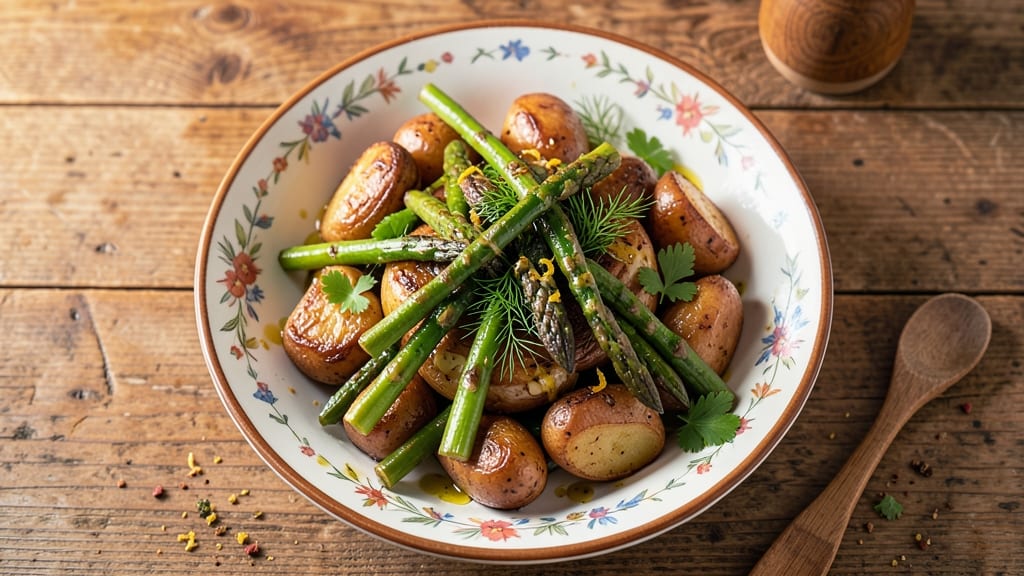
This asparagus and potato salad recipe transforms spring's freshest ingredients into a vibrant, herb-infused dish that's perfect for warm days or picnic baskets. The secret lies in blanching asparagus just until tender-crisp and roasting potatoes for a satisfying bite—both techniques preserve texture while building depth of flavor.
I developed this recipe after years of testing combinations, and it never fails to impress even the most skeptical eaters.
What sets this salad apart is the bright, herby dressing that balances earthy potatoes and delicate asparagus. Fresh dill and parsley lend freshness, while a touch of Dijon mustard adds subtle tang.
The potatoes develop a beautiful golden crust from roasting, while the asparagus maintains its signature snap. This isn't just another potato salad—it's a celebration of spring's bounty with perfect texture contrast.
By the time you assemble everything, you'll have a salad that's colorful, satisfying, and packed with flavor—each bite delivers creamy potatoes, crisp asparagus, and bursts of fresh herbs. The dressing clings perfectly to the ingredients without overwhelming them, creating harmony in every forkful.
This recipe serves 6 and comes together in about 45 minutes, making it ideal for meal prep or last-minute gatherings.
The beauty of this dish is its versatility—serve it warm or chilled, add peas for extra freshness, or swap in roasted bacon for a non-vegetarian twist. It's equally at home as a light main course or hearty side dish. Let's get cooking!
Ingredients for asparagus and potato salad
Spring's freshest ingredients come together for this vibrant, herb-infused salad that balances creamy potatoes and crisp asparagus.
| Ingredient | Amount | Notes |
|---|---|---|
| Baby Potatoes 🥔 | 2 ½ lb | Yukon gold preferred, halved lengthwise |
| Asparagus Spears 🌱 | 1 ½ lb | Medium thickness, trimmed ends |
| Extra-Virgin Olive Oil 🫒 | ½ cup | For roasting and dressing |
| Fresh Dill 🌿 | ½ cup | Chopped, stems removed |
| Fresh Parsley 🌿 | ⅓ cup | Flat-leaf, finely chopped |
| Dijon Mustard 🍯 | 1 tbsp | For dressing tang |
| Red Wine Vinegar 🍷 | ⅓ cup | Dry variety preferred |
| Honey 🍯 | 2 tbsp | Wildflower for floral notes |
| Salt 🧂 | 1 ½ tsp | Diamond Crystal preferred |
| Black Pepper 🌶️ | 1 tsp | Freshly cracked |
| Garlic Cloves 🧄 | 4 cloves | Minced for dressing |
| Shallots 🧅 | 2 whole | Finely minced |
| Heavy Cream 🥛 | ¼ cup | For creamy dressing |
| Crumbled Feta Cheese 🧀 | ½ cup | Optional for tangy finish |
The potatoes are the foundation—Yukon golds develop the perfect creamy texture when roasted. Whole Foods or local farmers markets carry the best quality, with vibrant skins indicating freshness. For even cooking, halve them lengthwise before roasting. Asparagus should be medium-thickness spears—thicker varieties hold up better to blanching. Trim the woody ends carefully, as they contain the most bitterness. Fresh herbs are non-negotiable here; dill and parsley from the grocery store's refrigerated section should be bright green with no wilting. If using store-bought, check the 'use by' date—herbs lose potency quickly once opened.
Substitutions work best when maintaining the salad's balance. Red potatoes can replace Yukon golds, though they'll be slightly waxier. For asparagus, thicker spears work better than thin ones—they hold their shape during cooking. The dressing relies on Dijon mustard for tang; if unavailable, yellow mustard at double the amount works in a pinch. Honey can be swapped for maple syrup, though the flavor profile shifts slightly. For a dairy-free option, Greek yogurt replaces heavy cream at a 1:1 ratio. The feta, while optional, adds a bright contrast—vegan feta works perfectly for plant-based versions. Garlic and shallots can be combined into a single 'aromatic' blend if needed, though keeping them separate enhances their individual flavors.
Roasted potatoes keep well for 4 days in the fridge when stored in an airtight container. Blanch asparagus just before serving to maintain crispness—it won't reheat well. The dressing separates naturally; simply whisk before using. For meal prep, store components separately and assemble within 24 hours for optimal texture. Herbs can be prepped ahead and stored in the fridge for 3 days by wrapping them in damp paper towels. The entire salad reheats beautifully—ideal for make-ahead lunches or potlucks. For a restaurant-quality finish, garnish with extra herbs and a drizzle of high-quality olive oil just before serving.
Why You'll Love This Recipe
- One-Pan Magic: I swear by this trick—just toss baby potatoes and asparagus on a sheet pan, drizzle with olive oil, and roast until golden. No chopping, no mess, and the flavors meld together like they’ve been friends forever.
- Herb-Packed Punch: That fresh dill and parsley? They turn this salad from good to ridiculously good. The bright, grassy notes cut through the richness of the olive oil, and the asparagus gets this perfect crisp-tender bite that makes every bite worth it.
- Picnic or Potluck Star: Between us, this is my go-to for picnics, BBQs, or even a lazy Sunday lunch. It’s hearty enough to stand alone but pairs perfectly with grilled chicken or steak—no one will guess it’s just potatoes and asparagus working their magic.
- Leftovers That Don’t Suck: Honestly, I often make extra because it tastes just as good the next day. The potatoes hold their texture, the asparagus stays crisp, and the dressing doesn’t turn sad—it’s the kind of dish that gets better in the fridge, not worse.
Step-by-step instructions for herb-infused asparagus and potato salad
This vibrant spring salad balances roasted potatoes and tender asparagus with a bright, herbed dressing.
🍳 Step 1: Roast the Baby Potatoes Until Crispy
Preheat your oven to 425°F and line a large baking sheet with parchment paper. Halve the 2.5 lb baby potatoes lengthwise, leaving the skins intact. Toss them in 2 tablespoons of the extra-virgin olive oil and sprinkle with 1 teaspoon of the salt and ½ teaspoon of the black pepper.
Spread the potatoes evenly on the baking sheet, cut-side down, to maximize crispiness. Roast for 25-30 minutes until golden brown and tender when pierced with a fork. The edges should be slightly crisp, while the centers remain fluffy. Let them cool slightly before handling—this prevents them from falling apart when tossed later.
🍳 Step 2: Roast the Asparagus Spears
While the potatoes roast, preheat the oven to 400°F (if not already hot). Trim the tough ends from the 1.5 lb asparagus spears and toss them in the remaining 3 tablespoons of extra-virgin olive oil, along with the remaining ½ teaspoon salt and ½ teaspoon black pepper.
Spread the asparagus on the same baking sheet (or a second sheet) and roast for 12-15 minutes until tender and slightly charred at the tips. They should be bright green with a slight crispness—this is your signal they're perfectly cooked. Remove from the oven and let both the potatoes and asparagus cool to room temperature before assembling the salad.
👨🍳 Step 3: Prepare the Herb-Infused Dressing
In a medium bowl, whisk together the 0.33 cup red wine vinegar, 2 tablespoons honey, 1 tablespoon Dijon mustard, 0.25 cup heavy cream, 4 minced garlic cloves, and 2 finely minced shallots. Season with the remaining ½ teaspoon salt and ½ teaspoon black pepper.
Gradually drizzle in the 0.5 cup extra-virgin olive oil while whisking continuously until the dressing emulsifies into a smooth, creamy consistency. This is where the magic happens—the balance of tangy vinegar, sweet honey, and rich cream creates a dressing that clings beautifully to both the potatoes and asparagus. Taste and adjust seasoning if needed; you may want to add a pinch more salt or a splash of vinegar for brightness.
🥘 Step 4: Combine and Toss the Salad
In a large mixing bowl, gently combine the cooled roasted potatoes and asparagus. Pour the herb-infused dressing over the top and toss carefully to coat everything evenly. Sprinkle with the 0.5 cup chopped fresh dill and 0.33 cup chopped fresh parsley, reserving a few sprigs for garnish. Fold in the 0.5 cup crumbled feta cheese (if using) and toss once more to distribute.
Let the salad sit for 10-15 minutes before serving. This resting period allows the flavors to meld and the dressing to fully absorb into the vegetables. The result is a harmonious blend of crispy roasted potatoes, tender asparagus, and a vibrant, herbed dressing that brightens every bite. Serve immediately for the best texture and flavor.
⏰ Step 5: Garnish and Serve
Transfer the salad to a platter and garnish with the reserved fresh dill and parsley sprigs. The contrast of bright herbs against the golden roasted vegetables adds a final touch of elegance. This salad is best enjoyed fresh, so serve it immediately while the potatoes and asparagus are still warm from the oven. Pair with grilled chicken or a crisp white wine for a complete spring meal.
Real talk: The key to this salad lies in the roasting—don't skip it. The caramelized edges on the potatoes and asparagus elevate the dish from ordinary to extraordinary. If you're short on time, you can use a skillet to quickly roast the vegetables on the stovetop over medium-high heat, but oven-roasting gives the best results.
Pro Tips For Making Asparagus And Potato Salad
- PARBOIL POTATOES FIRST: Baby potatoes take forever to cook through if you try roasting them whole—trust me, I’ve waited 45 minutes for a tray of underdone spuds. Parboil them for 8-10 minutes in salted water first, then drain and rough up the skins with your fingers. They’ll crisp faster and absorb flavors better, plus you’ll avoid that sad, gummy center.
- BLANCH ASPARAGUS HALF-WAY: Asparagus gets rubbery if you overcook it, but raw spears in salad are just sad. Blanch the spears for 2-3 minutes in boiling salted water until they’re bright green but still crisp. Shock in ice water, then drain—this stops cooking and keeps them snappy. (Yes, even if you’re impatient like me.)
- SALT THE POTATOES WHILE COOLING: I used to toss salt on potatoes after they were fully roasted, and they’d just sit there, dry and flavorless. Instead, sprinkle them with flaky salt while they’re still warm (right after the oven) and let them sit for 5 minutes. The salt melts into the skin, and the residual heat helps it stick—no more bland spuds.
- DRESS THE SALAD LAST MINUTE: Extra-virgin olive oil and fresh herbs like dill and parsley go rancid fast if mixed ahead. Toss the warm potatoes and asparagus with just a pinch of salt, then let them cool slightly. Only when serving, drizzle with the oil and herbs—this keeps everything vibrant and prevents the greens from turning bitter. (Your future self will notice the difference.)
Creative variations of asparagus and potato salad
Warm vs. Cold
This salad shines equally well warm or cold, depending on your preference. I love serving it warm for a comforting spring meal—just assemble it straight from the oven while the potatoes and asparagus still hold their heat.
The warm vegetables release their caramelized aromas, making every bite feel like a hug. For a refreshing twist, chill the salad for 30-60 minutes before serving—this lets the flavors meld beautifully and creates a lighter texture contrast. 🌿
Herb Variations
Swap out the dill and parsley for other fresh herbs based on what's available. Tarragon adds a subtle anise note that pairs beautifully with potatoes, while chives lend a delicate onion flavor.
For a Mediterranean twist, use oregano and basil—just reduce the amount to 2 tablespoons each to avoid overpowering. I once used cilantro in a summer version, but it was polarizing among my guests. Stick with milder herbs if you're introducing this salad to skeptics.
Protein Additions
For a heartier meal, fold in grilled chicken breast (about 1 cup diced) or smoked salmon (about 4 oz flaked) just before serving. The protein adds substance without overwhelming the fresh vegetables. For a vegetarian option, try white beans (about 1 cup cooked) for extra creaminess. I've also added crumbled bacon (about ½ cup) for a non-vegetarian version—just
Seasonal Swaps
Spring isn't the only time for this salad! In summer, swap asparagus for zucchini (about 2 medium, sliced) or green beans (about 1 lb trimmed). For fall, use sweet potatoes (about 2.5 lb, cubed) and add rosemary to the dressing. Winter calls for roasted Brussels sprouts (about 1.5 lb halved)—toss them with the potatoes and asparagus for a cozy twist. The key is maintaining that roasted vegetable base with a bright dressing.
Dressing Variations
Need a different dressing style? Try a lemon-garlic vinaigrette by replacing the cream with ¼ cup lemon juice and adding 1 extra minced garlic clove. For a creamy mustard dressing, increase the Dijon to 2 tablespoons and add 1 teaspoon honey.
I also love a yogurt-based dressing—swap the heavy cream for ½ cup Greek yogurt and add 1 teaspoon lemon zest for brightness. Each variation keeps the salad's signature texture while offering a new flavor profile.
Make-Ahead Tips
Prep the salad components ahead of time to save effort on busy days. Roast the potatoes and asparagus 1 day in advance and store them separately in the fridge. The dressing can be made 2 days ahead—just whisk before using.
When ready to serve, toss everything together and let it sit for 10 minutes to meld flavors. For a picnic-friendly version, pack the components in separate containers and assemble just before eating. The asparagus stays crispest when blanched last-minute, but the potatoes reheat beautifully.
Nutrition facts
Frequently asked questions
Can I use regular potatoes instead of baby potatoes?
Yes, but you'll need to adjust the cooking time and method. Larger potatoes (like Russets) should be cubed into 1-inch pieces and roasted for 35-40 minutes at 425°F until crispy. Yukon golds or red potatoes work best—they hold their shape better than Russets when roasted. For extra flavor, parboil them for 5 minutes before roasting to prevent them from falling apart.
How do I keep the asparagus from getting mushy?
The secret is timing and temperature! Roast asparagus at 400°F for only 12-15 minutes—it should be tender but still hold its shape. Overcooking turns it mushy. For extra crispness, blanch asparagus in boiling water for 2 minutes first, then shock in ice water before roasting. This method preserves texture while ensuring perfect doneness.
Can I make this salad ahead of time?
Prep components separately for best results. Roast potatoes and asparagus 1 day ahead and store in airtight containers. Make the dressing 2 days ahead—just whisk before using. Assemble the salad 30 minutes before serving to let flavors meld. Keep asparagus separate if serving cold to maintain crispness, or blanch it fresh when ready to eat.
What's the best way to reheat leftovers?
Reheat gently to preserve texture. Place salad in a skillet over medium-low heat for 5-7 minutes, stirring occasionally, until warmed through. For oven reheating, cover with foil and bake at 350°F for 10 minutes. Microwaving works in a pinch (1-2 minutes), but textures may suffer. Always reheat asparagus separately if possible to maintain crispness.
Why did my dressing separate?
This happens when fat and liquid aren't properly emulsified. Whisk vigorously when combining oil with other ingredients, and add oil slowly. For extra stability, add 1 teaspoon cornstarch mixed with 1 tablespoon water to the dressing. If separation occurs, simply whisk again before serving—the salad will still taste delicious!