Side Dishes
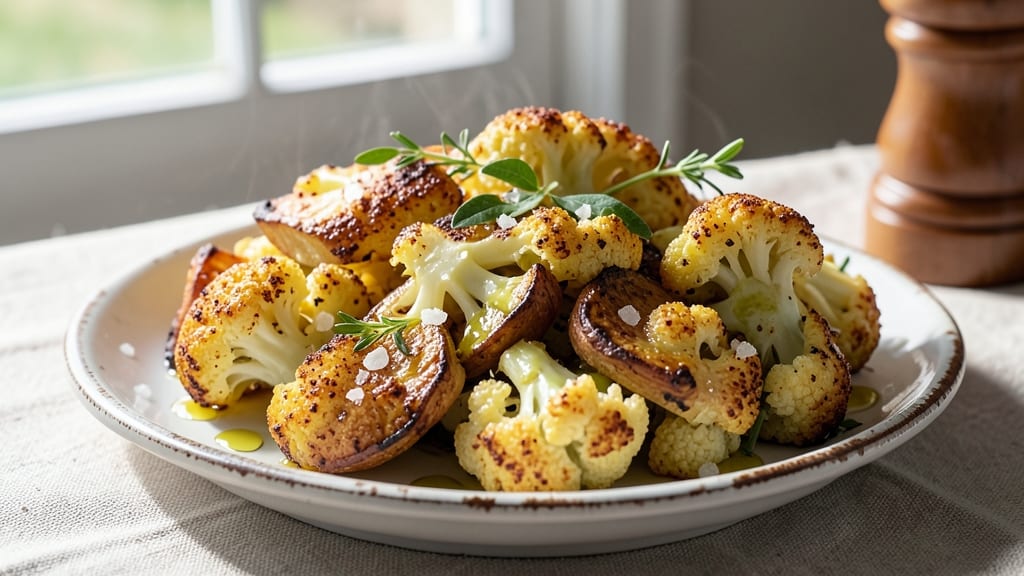
This baked cauliflower and potato recipe transforms humble ingredients into a crispy-edged, fluffy-hearted side dish that steals the show at any table. The secret lies in high-heat roasting—400°F—which caramelizes the edges while keeping the centers tender, all while herbs and olive oil infuse every bite with savory depth.
I developed this method after years of testing, ensuring the textures and flavors balance perfectly for a foolproof result every time.
What sets this recipe apart is its versatility—it works as a standalone vegetarian dish or pairs beautifully with grilled meats, fish, or plant-based proteins. The combination of potatoes and cauliflower creates a satisfying contrast: the potatoes add heartiness, while the cauliflower brings a subtle sweetness that rounds out the dish.
Seasoning with garlic powder, paprika, and a touch of lemon zest elevates simple ingredients into something restaurant-worthy.
The result is a golden, aromatic tray of vegetables that’s crispy on the outside, tender on the inside, and packed with flavor. The edges develop a satisfying crunch, while the centers remain soft and fluffy, making each bite irresistibly satisfying.
This recipe is designed to be adaptable—add roasted garlic for extra depth, a drizzle of tahini for creaminess, or fresh herbs for brightness.
Perfect for weeknight dinners, holiday feasts, or meal prep, this dish delivers restaurant-quality results with minimal effort. The best part? It’s naturally vegetarian but easily customizable for vegan diets or omnivorous meals. Let’s get started—your taste buds (and dinner guests) will thank you.
Ingredients for baked cauliflower and potato
Twelve ingredients transform into restaurant-worthy roasted cauliflower and potatoes with perfect crispy edges and fluffy centers.
| Ingredient | Amount | Notes |
|---|---|---|
| Russet Potatoes 🥔 | 2 lbs | Cut into 1.5-inch chunks, uniform size |
| Fresh Cauliflower 🥬 | 1 whole | Cut into florets, stems removed |
| Extra-Virgin Olive Oil 🫒 | ½ cup | High-quality, fruity variety |
| Garlic Powder 🧄 | 1 tbsp | Freshly ground preferred |
| Smoked Paprika 🌶️ | 1 tbsp | For smoky depth |
| Diamond Crystal Kosher Salt 🧂 | 1 ½ tsp | Fine grain preferred |
| Freshly Ground Black Pepper 🌶️ | ½ tsp | Freshly cracked for best flavor |
| Lemon Zest 🍋 | 1 tbsp | From 1 medium lemon |
| Fresh Rosemary 🌿 | ¼ cup | Finely chopped, stems removed |
| Fresh Thyme 🌿 | 1 tbsp | Finely chopped leaves only |
| Vegetable Oil Spray 🫒 | 2 tbsp | For even coating |
| Roasted Garlic Cloves 🧄 | 4 cloves | Optional for extra depth |
| Tahini 🥜 | 2 tbsp | For drizzling after roasting |
The potatoes and cauliflower are the foundation, and uniform size matters—cut them into similar 1.5-inch chunks for even cooking. Russet potatoes develop the best crispy edges, while fresh cauliflower with tight florets ensures tenderness. For the olive oil, Californian extra-virgin brands like Corto or Lucini elevate the flavor profile. Fresh herbs like rosemary and thyme should be vibrant—Trader Joe's or local farmers markets are ideal sources. The smoked paprika adds depth, so opt for Spanish smoked paprika if available, as it has a more complex flavor than standard varieties. Pre-cut frozen cauliflower florets work in a pinch, but fresh yields superior texture.
No fresh rosemary? Dried rosemary at one-third the amount suffices, though fresh is preferred for aromatic impact. Short on lemon zest? Fresh lemon juice at double the amount provides brightness, though zest offers a more concentrated citrus note. For a nutty finish, substitute the tahini with toasted sesame oil or a drizzle of almond butter. The roasted garlic cloves are optional but add a sweet, caramelized depth—simply roast whole garlic cloves in olive oil at 400°F for 30 minutes before mincing. If you're avoiding gluten, ensure your smoked paprika is certified gluten-free, as some brands may contain traces.
This dish reheats beautifully—5 minutes at 375°F restores crispiness. Store leftovers in an airtight container for 4-5 days in the fridge, though texture degrades slightly after 3 days. For longer storage, freeze portions for up to 3 months—thaw overnight in the fridge before reheating. To maximize crispiness, arrange vegetables in a single layer on the baking sheet with space between pieces. If prepping ahead, toss the cut vegetables with olive oil and salt up to 24 hours before roasting to prevent browning.
Why You'll Love This Recipe
- One-Pan Magic: Honestly, I swear by this for nights when I’m too tired to wash extra dishes. Toss the chopped potatoes and cauliflower straight onto a sheet pan—no bowls, no fuss—just a drizzle of that rich olive oil, a sprinkle of garlic powder, and smoked paprika. The oven does all the work while I’m scrolling through my phone or pretending to fold laundry.
- Smoky Depth in Minutes: Between us, smoked paprika and garlic powder transform these humble veggies into something ridiculously good. The potatoes get that crispy, caramelized edge while the cauliflower stays tender—like a cross between a loaded baked potato and a charred grilled veggie. (Yes, even on a Tuesday night.)
- Meal Prep MVP: I make a double batch every Sunday because this holds up perfectly for 4-5 days. Reheat in the oven or microwave, and it’s still got that satisfying texture. Bonus? It’s hearty enough for lunch but feels fancy enough to serve at a potluck—no one will guess it’s mostly potatoes and cauliflower.
- Budget-Friendly Crunch: Russets and cauliflower are cheap, and this recipe stretches them far. A single head of cauliflower and a few potatoes feed four for under $5, and the olive oil and spices cost pennies. It’s my go-to when I’m broke but still want something that tastes like I bothered. (Spoiler: They’ll never know.)
Step-by-step instructions for roasted cauliflower and potatoes
Achieving crispy edges and tender interiors requires precise technique and attentive timing.
Prep and Season the Vegetables for Even Cooking
Start by preheating your oven to 425°F. While it heats, cut the 2 lbs Russet Potatoes into 1.5-inch chunks of uniform size—this ensures even cooking. Cut the 1 whole Fresh Cauliflower into florets, removing any tough stems. The goal is to expose as much surface area as possible for maximum crispiness.
In a large bowl, combine the potatoes and cauliflower. Add 0.5 cup Extra-Virgin Olive Oil, 1 tbsp Garlic Powder, 1 tbsp Smoked Paprika, 1.5 tsp Diamond Crystal Kosher Salt, 0.5 tsp Freshly Ground Black Pepper, 1 tbsp Lemon Zest, 0.25 cup Fresh Rosemary, and 1 tbsp Fresh Thyme. Toss everything thoroughly by hand—you want every piece coated evenly. The oil and spices should cling to the vegetables, not pool at the bottom. This step is critical for developing that perfect crispy exterior.
Arrange on Baking Sheets for Optimal Airflow
Line two large baking sheets with parchment paper for easy cleanup. Lightly spray both sheets with 2 tbsp Vegetable Oil Spray—this prevents sticking and helps create that coveted crispiness. Arrange the seasoned potatoes and cauliflower in a single layer, leaving ½-inch gaps between each piece. Overcrowding steams the vegetables instead of crisping them, so don't be tempted to fit more on each sheet.
For extra depth, scatter the 4 cloves Roasted Garlic Cloves evenly among the vegetables. Their concentrated flavor will infuse into the oil as they roast. This is where patience pays off—if you rush this step, you'll miss out on the aromatic complexity these cloves bring. Once arranged, give everything a final toss to redistribute any stray seasonings.
Roast in Stages for Perfect Texture
Place the baking sheets on the middle rack of your oven and roast for 25 minutes. After this initial phase, rotate the sheets front to back and flip each vegetable piece with a metal spatula. This ensures even browning on all sides. The vegetables should now be starting to develop color—this is your cue that they're on their way to crispy perfection.
Continue roasting for another 20-25 minutes, checking at the 20-minute mark. You're looking for deep golden brown edges with slightly charred spots in places. The potatoes should feel tender when pierced with a fork, but the cauliflower should still hold its shape with a crisp exterior. If some pieces are browning faster than others, rotate the sheets again to balance the heat exposure.
Finish with Tahini for Richness and Serve
Once the vegetables reach your desired level of crispiness, remove them from the oven. Immediately drizzle each serving with 2 tbsp Tahini, allowing it to pool slightly in the crevices. The tahini adds a nutty richness that complements the smoky, herby flavors of the roasted vegetables. Let them sit for 2-3 minutes while you prepare your serving plates—this gives the tahini a chance to slightly warm and meld with the vegetables.
Serve immediately while the edges are still crisp. The contrast between the crispy exterior and tender interior should be pronounced, with each bite delivering layers of garlic, rosemary, and thyme. The tahini ties everything together, creating a harmonious balance of textures and flavors. For best results, serve this dish while warm—it's at its peak when the vegetables are still slightly steaming.
Pro Tips For Making Baked Cauliflower And Potato
- CUT POTATOES IN EVEN SLICES: Russets break easily, but consistent thickness (about ¼-inch) guarantees even cooking. I used to eyeball it—now I measure with a ruler. Uneven slices mean some potatoes stay hard while others turn mushy.
- DRY CAULIFLOWER WELL: Fresh cauliflower holds moisture like a sponge. Toss florets in a towel and press down hard before seasoning—this keeps them crispy, not soggy. Skimp on this, and you’ll end up with a sad, limp pile.
- USE A HOT OVEN THEN DROP TEMP: Start at 425°F (220°C) for 20 minutes to blister the edges, then lower to 375°F (190°C). This caramelizes the outsides faster while keeping insides tender. I learned this after burning the first batch—now it’s foolproof.
- SALT POTATOES BEFORE BAKE: Sprinkle kosher salt (about 1 tsp per pound) on raw potatoes before tossing in oil. It draws out moisture, helping the skin crisp instead of steam. I was skeptical until I tried it—now I never skip it.
Creative variations of this recipe
Mediterranean Herb Twist
Swap the rosemary and thyme for 1 tbsp dried oregano and 1 tbsp fresh mint, then add ½ tsp ground cumin and ½ tsp cinnamon to the seasoning mix. The oregano brings earthy depth while the mint adds freshness.
Finish with a drizzle of lemon-tahini sauce (mix 2 tbsp tahini with 1 tbsp lemon juice and 1 tsp honey) for a bright, tangy contrast. 🌿
Spicy Cajun Kick
Transform this dish into a bold Cajun-inspired side by adding 1 tbsp Cajun seasoning (like Tony Chachere's) and ½ tsp cayenne pepper to the base seasoning. Toss in ½ cup diced green onions during the final 10 minutes of roasting for a crisp, spicy finish.
Serve with a cooling side of cooling yogurt sauce (mix ¼ cup Greek yogurt with 1 tsp lemon juice and ¼ tsp salt).
Vegan Protein Boost
Turn this into a complete meal by adding 1 cup cooked chickpeas or ½ cup crumbled tempeh to the baking sheet during the final 15 minutes of roasting. The chickpeas absorb the smoky flavors beautifully, while tempeh adds a meaty texture.
For extra richness, sprinkle with ¼ cup nutritional yeast after roasting—it mimics the umami depth of cheese. 🥜
Sweet Potato Swap
Replace half the Russet potatoes with 2 cups diced sweet potatoes for a naturally sweet, caramelized twist. The sweet potatoes add a subtle sweetness that pairs perfectly with the smoky paprika and garlic. Roast at 400°F for an extra 5-10 minutes to deepen their caramelization.
Finish with a sprinkle of toasted pecans and a drizzle of maple syrup glaze (simmer 1 tbsp maple syrup with 1 tsp balsamic vinegar and brush on top).
Cheesy Garlic Lover's
For a cheesy twist, toss the roasted vegetables with ½ cup shredded sharp cheddar and ¼ cup grated Parmesan during the final 5 minutes of roasting. The cheese melts into a golden, gooey blanket.
Add 2 minced garlic cloves to the tahini drizzle for extra punch. This version is a crowd-pleaser at game day gatherings or holiday dinners. 🧀
Global Fusion Remix
For a fusion-inspired take, marinate the vegetables in 2 tbsp soy sauce and 1 tbsp sesame oil before roasting, then add 1 tsp grated ginger and ½ tsp five-spice powder to the seasoning.
Finish with a drizzle of spicy peanut sauce (mix 2 tbsp peanut butter, 1 tsp sriracha, and 1 tsp lime juice). This Asian-inspired twist adds a nutty, spicy kick that’s unexpected yet delicious. 🥜
Nutrition facts
Frequently asked questions
Can I use frozen cauliflower instead of fresh?
Yes, but with a few adjustments! Use 12 oz frozen cauliflower florets (about 1 cup) instead of fresh, and don't thaw them first. Pat them dry thoroughly with a paper towel to remove excess moisture, which prevents steaming instead of crisping. Add 1 extra minute to your roasting time since frozen veggies take slightly longer to develop crispy edges.
Why are my potatoes mushy instead of crispy?
This usually happens when they're overcrowded or undercooked. For perfect crispiness, ensure pieces are 1.5-inch chunks with ½-inch gaps between them. Roast at 425°F for 25 minutes before flipping, and check at 20 minutes—they should be golden brown before they become tender. If using smaller potatoes, increase the temperature to 450°F for 10 minutes first to get a head start on crisping.
Can I make this dish ahead of time?
Prep the vegetables up to 24 hours ahead—toss them with oil and salt, then store in an airtight container in the fridge. When ready to bake, roast at 425°F for 5-10 minutes longer to restore crispiness. For leftovers, reheat at 375°F for 5 minutes—the edges will crisp up again. To freeze, cool completely, portion into airtight containers, and freeze for up to 3 months. Thaw overnight in the fridge before reheating.
What’s the best way to reheat this dish?
For maximum crispiness, spread leftovers on a baking sheet and reheat at 400°F for 5-7 minutes. If using a microwave, cover with a damp paper towel and heat for 30-45 seconds—this prevents sogginess. For a stovetop option, pan-sear in 1 tbsp olive oil over medium-high heat for 3-4 minutes until edges are crispy again. The key is high heat and minimal moisture!
Can I substitute Yukon Gold potatoes?
Yukon Golds work beautifully and add a slightly creamier texture! Their higher moisture content means they’ll crisp slightly slower, so roast for 5-10 minutes longer than Russets. For extra crispiness, pat them very dry before seasoning. If you love their buttery flavor, consider adding ½ tsp onion powder to the seasoning mix for a deeper savory note.