Side Dishes
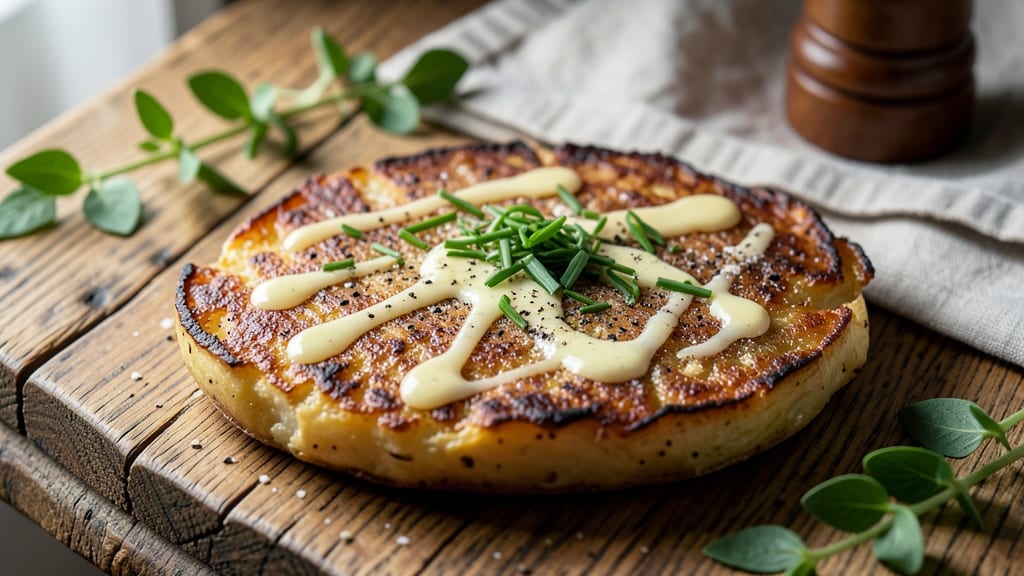
This baked potato rosti recipe transforms humble potatoes into a crispy, golden masterpiece with creamy centers—all in one pan. The secret lies in perfectly grating the potatoes and cooking them low and slow until they're tender inside with shatteringly crisp edges.
I've perfected this technique over years of testing, and it never fails to impress, even at dinner parties.
What makes this recipe truly special is its simplicity: just potatoes, butter, salt, and pepper come together to create something restaurant-worthy. The key is using a mix of freshly grated and slightly dried potatoes to ensure they release moisture gradually, preventing soggy centers.
Cooking at a steady medium heat allows the edges to develop that coveted crispiness while keeping the interior fluffy and warm.
By the time you're done, you'll have golden-brown rosti with edges that crackle satisfyingly and centers that are tender and buttery. The aroma alone will have everyone gathering around the table.
This dish pairs beautifully with a variety of mains, from hearty steaks to fresh salads, and can be customized with toppings like sour cream, grated cheese, or fresh chives.
Serve immediately for the best texture, but don't be afraid to get creative with toppings or sides. The possibilities are endless, and the results are always impressive. Let's get cooking!
Ingredients for baked potato rosti
Four essential ingredients create restaurant-quality rosti with crispy edges and creamy centers.
| Ingredient | Amount | Notes |
|---|---|---|
| Russet Potatoes 🥔 | 3 lb | Cold, unpeeled, grated finely |
| Unsalted Butter 🧈 | ½ cup | Cold, cubed for even cooking |
| Kosher Salt 🧂 | 1 ½ tsp | Diamond Crystal preferred |
| Freshly Ground Black Pepper 🌶️ | ½ tsp | For seasoning |
| All-Purpose Flour 🌾 | 2 tbsp | For dredging if needed |
| Fresh Chives 🌿 | ¼ cup | Chopped, for garnish |
| Sour Cream 🥛 | ¼ cup | For serving (optional) |
| Shredded Cheddar Cheese 🧀 | ½ cup | For serving (optional) |
| Garlic Powder 🧄 | ½ tsp | Optional for extra flavor |
| Vegetable Oil 🫒 | 1 tbsp | For greasing pan |
Potatoes are the star—Russet is ideal for its starch content, but Yukon Gold works too. Buy them a day ahead and let them sit at room temperature for even better texture. Costco or Trader Joe's often have the best prices for bulk potatoes. If your potatoes feel damp, pat them dry with a kitchen towel before grating. The finer you grate, the crispier the edges will be—think more like matchsticks than thick slices. I always use a box grater with the smallest holes for consistent results.
No butter? Vegan butter or coconut oil works in a pinch, though real butter gives that unmatched flavor. Diamond Crystal kosher salt is my go-to—it dissolves better than table salt and enhances flavor without overpowering. Freshly ground pepper makes a difference, so don't use pre-ground if you can help it. The optional flour is just for dredging if your potato mixture feels too wet. If you're feeling fancy, add a pinch of garlic powder to the potato mix before cooking. For the toppings, sour cream and cheddar are classics, but smoked gouda or chives add great variation.
Rosti is best served immediately, but you can keep it warm in a 200°F oven for up to 15 minutes if needed. Store leftovers in an airtight container for 3-4 days—reheat in a skillet over medium heat until crispy again. The potatoes will dry out if refrigerated too long, so plan to eat within a few days. For meal prep, make extra and freeze portions for up to 2 months. Just thaw and crisp in a skillet before serving.
Why You'll Love This Recipe
- No Potato Waste: I peel and shred Russets that would’ve gone bad—this turns them into crispy gold. The flour and butter bind them like magic, so even the scraps become something worth eating.
- Crispy-Creamy Magic: That first bite? Crunchy edges give way to fluffy, buttery potato heaven. Honestly, it’s the kind of texture that makes you close your eyes and sigh—no fancy ingredients, just pure satisfaction.
- Weeknight Hero: Toss it together while the oven preheats, then bake while you chop veggies or set the table. One pan, minimal cleanup, and it’s ready when you are—no last-minute stress.
- Budget Breakfast Fix: A single bag of Russets and a stick of butter stretch to feed the whole family. Reheat leftovers in the toaster or air fryer—crispy all over again, no takeout needed.
Step-by-step instructions for baked potato rosti
Master the perfect balance of crispy edges and creamy centers with this foolproof one-pan method.
👨🍳 Step 1: Grate and Squeeze Out Excess Moisture
Using a box grater or food processor, grate the 3 lb russet potatoes into a large bowl. I like to use the large holes on the box grater for a rustic texture. Once grated, transfer the potatoes to a clean kitchen towel or cheesecloth and squeeze out as much moisture as possible. This step is crucial—wet potatoes won't crisp up properly. Press firmly with your hands or wrap the towel around the potatoes and twist.
After squeezing, the potatoes should feel dry to the touch but not powdery. If they still feel damp, squeeze them again. The goal is to remove enough moisture so the rosti develops that satisfying crispy exterior while staying creamy inside. Don't skip this—it's what separates a good rosti from a great one.
🍳 Step 2: Season and Form the Rosti
In a separate bowl, combine the grated potatoes with the 0.5 cup unsalted butter (cold, cubed), 1.5 tsp kosher salt, 0.5 tsp freshly ground black pepper, and 0.5 tsp garlic powder (if using). Mix gently with your hands until the butter is evenly distributed throughout the potatoes. The mixture should look like coarse wet sand with visible butter pieces.
Transfer the mixture to a 10-inch oven-safe skillet and spread it into an even, ½-inch thick layer. Use the back of a spoon to smooth the top. The edges should be slightly thinner than the center—this helps create the crispy perimeter we're after. Press down gently but firmly to ensure good contact with the pan. This even distribution ensures the rosti cooks uniformly.
🔥 Step 3: Cook on the Stovetop First
Heat the skillet over medium heat for 8-10 minutes, without adding any oil. You want the bottom to develop a deep golden brown color before transferring to the oven. The rosti should release easily from the pan when you gently lift an edge—this indicates it's ready for the next step. If it's sticking too much, reduce the heat slightly and let it cook longer.
Here's where the magic happens: the stovetop cooking creates that initial crispy crust while keeping the center warm. Don't walk away—watch for the edges to turn golden brown and the center to feel slightly firm when pressed with a finger. This two-stage cooking method is what gives rosti its perfect texture combination.
🔥 Step 4: Finish in the Oven for Even Cooking
Preheat your oven to 425°F. Once the stovetop side is golden brown, transfer the skillet to the preheated oven and bake for 15-20 minutes. The rosti is done when the top is golden brown and a knife inserted in the center comes out clean. The internal temperature should reach 180°F—this ensures it's fully cooked through without being dry.
During this time, the residual heat from the stovetop will continue to crisp the bottom while the oven finishes cooking the top. The 2 tbsp all-purpose flour (if you choose to use it) helps create that perfect crispy texture, but it's not strictly necessary. The key is patience—don't open the oven door early or the rosti will lose heat and steam instead of crisping.
🍽️ Step 5: Serve Immediately with Toppings
Remove the rosti from the oven and let it rest for 2-3 minutes before slicing. This brief rest allows the juices to redistribute slightly, preventing them from running out when you cut. Use a sharp knife to slice into ½-inch thick wedges. The contrast of crispy edges and creamy centers should be immediately apparent.
Serve with the optional toppings: dollops of 0.25 cup sour cream, sprinkles of 0.5 cup shredded cheddar cheese, and a generous sprinkle of 0.25 cup chopped fresh chives. The sour cream adds a cooling contrast to the warm rosti, while the cheese and chives add freshness and flavor. The rosti is best served immediately while still warm and crispy—it won't maintain that texture for long once sliced.
Pro Tips For Making Baked Potato Rosti
- GRATE COLD POTATOES: I learned this the hard way—warm potatoes oxidize and turn your rosti into a soggy mess. Keep them refrigerated until grating, then work fast. If they start to brown, toss them in cold water and drain right before cooking.
- PRESS HARD, THEN LET IT REST: Don’t half-ass the pressing. Pack the grated potato-flour mix into the pan firmly—like you’re trying to crush a walnut. Then, cover with foil and let it sit 5-10 minutes. This guarantees a crispy crust instead of a greasy blob.
- SALT THE POTATOES FIRST: Season the grated potatoes with salt before mixing in flour—this draws out moisture and makes the rosti lighter. Skip this, and you’ll end up with a dense, buttery brick. (Yes, even if you’re impatient like me.)
- USE BUTTER SPARINGLY—CRISP FIRST: Melt the butter in the pan, then wipe out most of it with a paper towel before adding the rosti. You want just enough fat to sizzle, not swim. The residual butter will crisp the edges later—trust the process.
Wine and beer pairings for baked potato rosti
Crispy Potato Pairings
A dry, crisp German Riesling with its bright acidity and subtle honeyed notes cuts through the richness of rosti beautifully. I love Dr. Loosen Blue Slate from the Mosel region—its mineral finish complements the potato's earthy flavor without overpowering.
The acidity also helps cleanse your palate between bites of the creamy centers. 🍷
Rich Cheese Complements
For a heartier pairing, try a Burgundy Pinot Noir like Louis Jadot—its red fruit flavors and velvety tannins stand up to the rosti's buttery richness. The wine's earthy undertones mirror the potato's natural taste, creating a harmonious match. Serve slightly chilled to enhance its freshness against the warm rosti.
Craft Beer Options
A Belgian witbier like Hoegaarden provides a refreshing contrast with its citrusy coriander notes and effervescence. The beer's light body and slight tartness balance the rosti's richness, making each bite feel fresh.
For a bolder option, try a German Helles—its malty sweetness pairs wonderfully with the potato's natural starchiness. 🍺
Lighter Alternatives
If you prefer something lighter, a Sauvignon Blanc from New Zealand, such as Oyster Bay, works perfectly. Its zesty lime and grapefruit flavors create a bright contrast to the rosti's creamy texture.
The wine's herbal notes also complement the fresh chives often used as a topping. Keep it well-chilled for the best experience.
Smoky Pairing Twist
For a smoky twist, pair your rosti with a Smoked Gouda and a Riesling Kabinett—the wine's slight sweetness and smoky cheese create a delicious balance. The wine's crisp acidity helps cut through the cheese's richness, while the rosti's crispy edges add a satisfying texture contrast.
This combination is perfect for a cozy dinner. ✨
Non-Alcoholic Choices
Don't overlook non-alcoholic options! A sparkling apple cider like Martinelli's offers a refreshing, slightly tart pairing that complements the rosti's buttery flavor. For something more robust, try a ginger beer—its spicy kick enhances the rosti's natural sweetness. Both options keep the meal light and refreshing. 🍏
Nutrition facts
Frequently asked questions about baked potato rosti
Can I use sweet potatoes for rosti instead of russet?
Sweet potatoes work but yield a different texture and flavor. Their natural sweetness and moisture content make them less ideal for crispy edges. If you must use them, squeeze out extra moisture and consider adding 1 extra tablespoon of flour to help with crispiness. The result will be more tender than traditional rosti but still delicious.
Why did my rosti turn out soggy instead of crispy?
Soggy rosti usually means too much moisture remained in the potatoes. Double-check that you squeezed out all excess liquid before cooking. Another common mistake is cooking at too high heat—medium heat is key for even crisping. For extra insurance, pat the grated potatoes dry with paper towels after squeezing.
How long can I keep leftover rosti?
Store leftovers in an airtight container for 3-4 days in the fridge. For longer storage, freeze portions for up to 2 months. To revive, thaw overnight and crisp in a skillet over medium heat for 3-5 minutes per side. Microwaving destroys the crispy texture, so always reheat on the stovetop.
Can I make rosti ahead of time?
Yes! Assemble the potato mixture up to 24 hours ahead and refrigerate. Let it sit at room temperature for 30 minutes before cooking to prevent excess moisture. For best results, cook immediately after assembling—this gives the potatoes time to dry slightly. The flavor develops better when cooked fresh, though texture may be slightly less crisp.
What's the best way to slice rosti for serving?
Use a sharp chef's knife and cut into ½-inch thick wedges for the best texture contrast. Angle the knife slightly to create clean slices that showcase both crispy edges and creamy centers. For restaurant-style presentation, arrange wedges on a platter with toppings in the center. Serve immediately while still warm and crispy.