Side Dishes
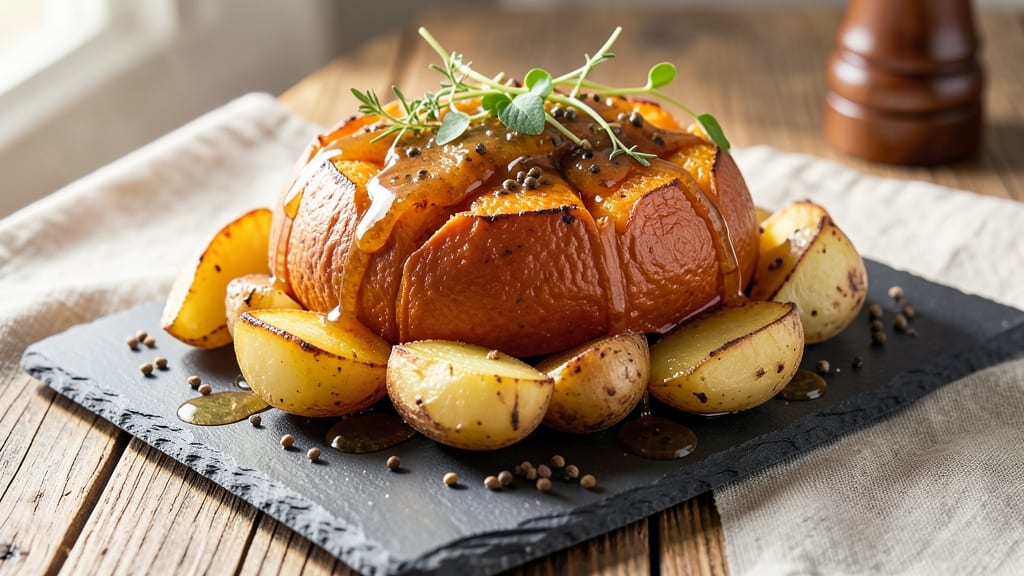
This baked squash and potato recipe transforms humble ingredients into a caramelized masterpiece that balances sweet, savory, and crispy textures in every bite. The secret lies in roasting butternut squash and Yukon gold potatoes together—where their natural sugars concentrate into honeyed sweetness while a mustard seed crust delivers a satisfying crunch. I developed this after years of experimenting with fall comfort sides, and it finally delivers that perfect harmony of textures and flavors.
What sets this recipe apart is the dual-roasting technique that creates crispy edges without drying out the centers. A simple blend of olive oil, honey, and Dijon mustard forms the flavor base, while a sprinkle of mustard seeds before baking adds that signature crunch.
The dish comes together in 45 minutes with minimal hands-on time, making it ideal for weeknight dinners or holiday gatherings.
By the time it emerges from the oven, you'll have tender, caramelized squash and potatoes with golden-brown skin that crackles when you cut into them. The mustard seeds toast into nutty crunch, while the honey glaze adds just the right amount of sweetness to balance the earthy flavors.
This isn't just a side dish—it's a flavorful centerpiece that pairs beautifully with grilled meats, roasted chicken, or even as a vegetarian main.
The best part? This recipe scales effortlessly. Double the batch for a crowd, or halve it for a single-serving treat. The leftovers reheat beautifully, making it perfect for meal prep. Here's how to create this comforting, crispy, caramelized dish that will become a fall staple in your kitchen.
Ingredients for baked squash and potato
Sweet, savory, and crispy—this fall favorite brings out the best in humble squash and potatoes.
| Ingredient | Amount | Notes |
|---|---|---|
| Butternut Squash 🎃 | 2 lb | Peeled, cubed into 1-inch pieces |
| Yukon Gold Potatoes 🥔 | 2 lb | Cut into 1-inch chunks, skin on |
| Extra-Virgin Olive Oil 🫒 | ½ cup | For roasting and glaze base |
| Honey 🍯 | ¼ cup | Wildflower preferred for depth |
| Dijon Mustard 🍯 | 2 tbsp | For tangy depth and texture |
| Mustard Seeds 🌶️ | 1 tbsp | Whole, for nutty crunch |
| Salt 🧂 | 1 ½ tsp | Kosher or sea salt |
| Black Pepper 🌶️ | ½ tsp | Freshly cracked for warmth |
| Fresh Thyme Leaves 🌿 | ¼ cup | Or 1 tsp dried thyme |
| Garlic Cloves 🧄 | 4 cloves | Minced for aromatic base |
| Vegetable Broth 💧 | ½ cup | Low-sodium for balance |
| Maple Syrup 🍁 | 1 tbsp | Optional for extra sweetness |
The squash and potatoes are the stars here, so pick firm, vibrant butternut squash with no soft spots—it's worth seeking out at Whole Foods or local farmers markets for that extra sweetness. Yukon Gold potatoes are ideal for their creamy texture, but Russets work too. For the mustard seeds, Penzeys or bulk bins carry the best quality—just make sure they're whole, not ground. The honey should be raw or wildflower for that floral depth, and if you can't find Dijon mustard, whole-grain mustard works in a pinch.
No mustard seeds? Toasted sesame seeds or crushed pistachios add crunch too. Short on honey? Maple syrup at half the amount keeps things balanced. The vegetable broth can be swapped for water if needed, but low-sodium is key—you don't want to overpower the natural flavors. For the thyme, fresh is ideal, but dried works at one-third the amount. If you're feeling fancy, add a pinch of smoked paprika to the glaze for an extra layer of complexity.
These roast beautifully ahead—just store them in the fridge for up to 2 days before baking. The leftovers reheat wonderfully in a 350°F oven for 15 minutes, or microwave for 2-3 minutes. I always double the batch because they're perfect for lunches or as a side for grilled meats. The glaze keeps for 1 week in the fridge, so make extra for drizzling on yogurt or toast.
Why You'll Love This Recipe
- One-Pan Magic: I swear by this recipe because it’s the kind of meal that doesn’t need a whole kitchen—just one sheet pan, some olive oil, and 45 minutes in the oven. No chopping boards piled with scraps, no pots to scrub. The butternut and potatoes roast side by side, caramelizing into golden perfection while you sip your wine or scroll through your phone.
- Honey-Dijon Glow-Up: That drizzle of honey and Dijon mustard? It’s the secret weapon. The mustard cuts through the sweetness while the honey deepens the flavor, giving the squash a sticky, slightly tangy crust that’s impossible to resist. My kids still fight over the last bite—even when I tell them to stop.
- Meal Prep MVP: Between us, this is my go-to for lazy Sundays and even busier weeknights. The leftovers taste just as good reheated the next day, and it’s the kind of dish that holds up for lunches or a quick dinner when you’re not in the mood to cook. Plus, it’s hearty enough to feed a crowd but simple enough for two.
- Budget-Friendly Luxury: Butternut squash and Yukon Golds are affordable staples, and a little olive oil and honey stretch this recipe far. I’ll be real: it feels like a fancy dinner without the fancy price tag. The mustard adds depth without breaking the bank, and honestly? It’s the kind of meal that makes you feel like you’re treating yourself—even when you’re just eating leftovers.
Step-by-step instructions for honey-roasted sweet potatoes and squash
Here's the method to achieve that perfect balance of caramelized sweetness and crispy edges.
Prep and Season the Vegetables
Start by preheating your oven to 425°F. This high temperature ensures we get that beautiful caramelization and crispy texture we're after. While it heats, combine the 2 lb butternut squash and 2 lb Yukon Gold potatoes on a large baking sheet.
Toss them gently with 0.5 cup extra-virgin olive oil until they're evenly coated. Sprinkle with 1.5 tsp salt, 0.5 tsp black pepper, and 0.25 cup fresh thyme leaves. I like to use my hands for this—it helps distribute the oil and seasoning more evenly. Make sure every piece gets coated, especially the edges where we want that crispy texture.
Roast Until Golden and Tender
Spread the seasoned vegetables in a single layer on the baking sheet, leaving a little space between each piece. This allows the hot air to circulate and crisp everything up nicely. Roast for 30 minutes, then carefully flip each piece using a spatula. You'll know it's time to flip when you see the edges starting to turn golden brown.
Return to the oven and continue roasting for another 20-25 minutes, or until the vegetables are fork-tender with crispy edges. The butternut squash should be soft enough to pierce easily with a fork, and the potatoes should have that satisfying resistance when you press them. This is where the magic happens—the combination of sweetness and crispy texture we're after.
Make the Honey-Mustard Glaze
While the vegetables are roasting, prepare the glaze in a small saucepan. Combine 0.25 cup honey, 2 tbsp Dijon mustard, 1 tbsp mustard seeds, 4 cloves minced garlic, 0.5 cup vegetable broth, and 1 tbsp maple syrup (if using). Bring the mixture to a gentle simmer over medium heat.
Let it simmer for 5-7 minutes, stirring occasionally, until it thickens slightly and becomes fragrant. You'll notice the mustard seeds begin to pop and release their nutty aroma. This is the moment that matters—it's when all the flavors come together. Taste and adjust the seasoning with more salt or pepper if needed. The glaze should be thick enough to coat the back of a spoon but still pourable.
Toss and Finish with Glaze
Once the vegetables are perfectly roasted, remove them from the oven and immediately toss them with the honey-mustard glaze. The residual heat from the vegetables will help the glaze adhere beautifully. Spread them out on the baking sheet again to ensure even coating.
Return the vegetables to the oven for 5-7 minutes to let the glaze caramelize and set. Keep an eye on them—they should develop a glossy sheen and the edges should become even more crispy. The aroma filling your kitchen will be incredible, a perfect blend of sweet, tangy, and savory notes. This final step is what transforms good roasted vegetables into something truly special.
Rest and Serve
Remove the vegetables from the oven and let them rest for 5 minutes before serving. This resting period allows the juices to redistribute, ensuring each bite is packed with flavor. The vegetables should be perfectly tender with crispy edges and a glossy, caramelized glaze.
Serve immediately while still warm. The contrast of the crispy edges and tender centers, combined with the sweet and tangy glaze, makes this dish truly irresistible. It's perfect as a side dish or even as a main course when paired with a simple protein. Enjoy the fruits of your labor—this is what makes roasting vegetables so rewarding!
Pro Tips For Making Baked Squash And Potato
- CUT SQUASH IN EVEN SLICES: Butternut squash halves bake unevenly—thick sides stay tough, thin edges burn. Use a sharp knife to slice into ½-inch-thick rounds, then cut each round in half lengthwise. This guarantees consistent doneness without overcooking any part.
- SALT POTATOES BEFORE ROASTING: I used to skip this, but salting Yukon Golds 20 minutes before baking makes all the difference. Sprinkle them in the colander while you prep the squash—it kickstarts starch breakdown, so they crisp up instead of turning gummy.
- DON’T OVERMIX THE DRESSING: The honey-Dijon glaze needs to cling, not pool. Whisk just enough olive oil (about 3 tablespoons) with 1 tablespoon Dijon and 1 teaspoon honey to lightly coat the veggies. Drizzle it on after roasting—let it soak in like a proper finish, not a soggy bath.
- ROAST AT 400°F UNTIL FORK-TENDER: Start squash and potatoes at 400°F for 25 minutes, then drop to 375°F. Check with a fork—squash should pierce easily (no resistance), and potatoes should collapse slightly. Overcooking turns butternut squash to mush; undercooking leaves potatoes chalky. Trust the fork, not the time.
Flavor customization for baked squash and potato
Sweet Heat Spice
For a smoky kick, add 1 tsp smoked paprika and ½ tsp cayenne pepper to the glaze before tossing. The cayenne brings heat while the paprika adds depth—perfect for spice lovers.
I like to sprinkle ½ tsp crushed red pepper flakes on top right before serving for extra visual drama. 🌶️
Citrus Zing Twist
Brighten the dish with 1 tbsp orange zest and 2 tbsp fresh orange juice mixed into the glaze. The citrus cuts through the sweetness beautifully, especially when paired with 1 tbsp chopped mint at the end. This works wonderfully with butternut squash's natural sweetness.
Nutty Crunch Additions
Swap mustard seeds for 2 tbsp chopped pecans or walnuts for a different texture. Toast the nuts in a dry pan for 3-4 minutes until fragrant, then sprinkle over the finished dish. The nuts add crunch and a buttery richness that pairs perfectly with the honey glaze.
Herb Variations
Swap thyme for rosemary (use 1 tbsp fresh) for an earthy, piney note or sage (use 1 tbsp chopped) for a slightly peppery flavor. Both herbs work beautifully with the honey-mustard glaze and complement the roasted vegetables.
Cheesy Finish
Add ½ cup shredded Gruyère or sharp cheddar to the baking sheet in the final 5 minutes of roasting. The cheese melts into a golden blanket that adds richness. I recommend using a mix of both for a perfect balance of tangy and nutty flavors. 🧀
Maple-Bourbon Glaze
For a boozy twist, replace 1 tbsp of the honey with 1 tbsp maple syrup and add 1 tsp bourbon to the glaze. Simmer until the alcohol burns off (about 2 extra minutes). The bourbon adds warmth and complexity that pairs beautifully with the mustard seeds' nutty crunch.
Nutrition facts
Frequently asked questions
Can I use other types of squash in this recipe?
Butternut squash works best for its natural sweetness, but you can substitute with acorn squash or delicata squash (skin-on varieties add texture). For milder flavors, try spaghetti squash—just reduce roasting time to 15-20 minutes since it's less dense. Avoid kabocha squash, as its flavor is much nuttier and pairs differently with the honey-mustard glaze.
What if my vegetables turn out soggy instead of crispy?
Soggy results usually mean overcrowding or under-roasting. Spread vegetables in a single layer with 1-inch gaps between pieces for proper airflow. If using a sheet pan, avoid stacking—use two pans if needed. For extra crispiness, broil for 2-3 minutes at the end (watch closely!). Also, ensure your oven is fully preheated to 425°F before adding the vegetables.
Can I make this ahead of time for meal prep?
Yes! Roast the vegetables up to 2 days ahead and store them in an airtight container in the fridge. Reheat in a 350°F oven for 15 minutes until warmed through. For the glaze, make it fresh before serving or store it separately in the fridge for up to 1 week. Toss the glaze with the reheated vegetables right before eating to maintain that crispy texture.
How can I make this dish vegan?
Swap the honey for maple syrup (use ½ cup total) and the Dijon mustard for vegan mustard. Use olive oil instead of butter in the glaze, and ensure your broth is vegan. For extra richness, add 1 tbsp nutritional yeast to the glaze. The flavor will still be delicious—just slightly less complex than the original honey-mustard balance.
What's the best way to store leftovers?
Store in an airtight container in the fridge for up to 5 days. For longer storage, freeze the vegetables (without the glaze) for up to 3 months. Thaw overnight in the fridge, then reheat in the oven with a fresh drizzle of glaze. The texture won't be as crispy after freezing, but the flavors remain rich. Label your container with the date to track freshness!