
Soups & Stews
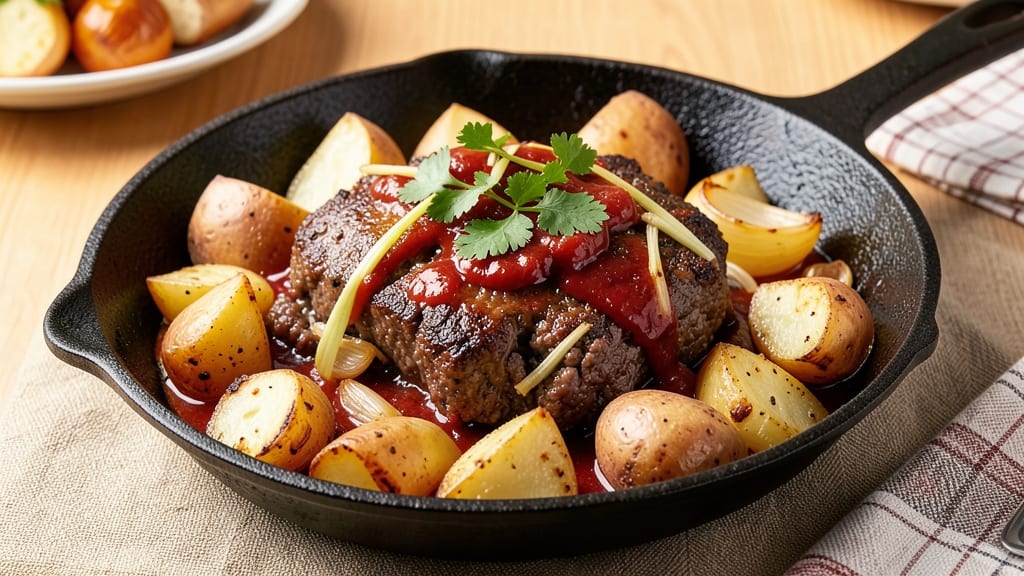
This beef giniling with potato recipe transforms simple ingredients into a rich, aromatic stew that captures the heart of Filipino home cooking. The magic lies in balancing soy sauce, ginger, and vinegar for that signature tangy depth, while potatoes soak up all the savory goodness.
I’ve perfected this dish over years of testing—every bite delivers tender beef, fluffy potatoes, and a sauce that’s impossible to resist.
The beauty of this recipe is its simplicity: ground beef, potatoes, and a handful of pantry staples come together in one pot for a meal that’s both comforting and impressive. No fancy techniques required—just a few minutes of prep and an hour of simmering time.
The key is letting the flavors meld slowly, so each spoonful is packed with umami and warmth.
By the time you’re done, you’ll have a steaming bowl of giniling with perfectly cooked potatoes—creamy inside, golden on the edges—and beef that’s tender yet flavorful. The sauce clings to every bite, making this dish feel restaurant-worthy without the fuss.
Serve it over steamed rice for the full Filipino experience, or enjoy it as-is for a hearty, satisfying meal.
This recipe is perfect for weeknight dinners, family gatherings, or whenever you crave a taste of home. The leftovers reheat beautifully, too, so you can make extra for busy days. Let’s get cooking—your taste buds will thank you.
Ingredients for beef giniling with potato
This Filipino classic comes together with just 14 pantry staples and fresh aromatics.
| Ingredient | Amount | Notes |
|---|---|---|
| Ground Beef (80/20) 🥩 | 1 ½ lb | Lean-to-fat ratio for tenderness |
| Russet Potatoes 🥔 | 2 lb | Medium-sized, cut into chunks |
| Yellow Onion 🧅 | 1 whole | Diced, medium size |
| Fresh Ginger 🌿 | 2 tbsp | Grated, aromatic quality |
| Garlic Cloves 🧄 | 6 cloves | Minced, fresh preferred |
| Canned Tomato Sauce 🍅 | 1 cup | San Marzano preferred |
| Soy Sauce 🥄 | ½ cup | Dark soy for color depth |
| Cane Vinegar 🍶 | ¼ cup | White or apple cider |
| Brown Sugar 🍯 | 2 tbsp | Packed, light brown preferred |
| Bay Leaves 🌿 | 2 whole | Dried, for aroma |
| Black Peppercorns 🌶️ | ½ tsp | Freshly cracked |
| Olive Oil 🫒 | 2 tbsp | Extra-virgin for richness |
| Salt 🧂 | 1 tsp | Diamond Crystal preferred |
| Water 💧 | 2 cups | Room temperature |
The ground beef is where the magic starts—80/20 fat ratio ensures juicy results. Look for packages labeled 'ground beef for stew' at Whole Foods or your local butcher if you can. Russet potatoes hold up best to long simmering, but Yukon Golds add creaminess if you prefer. Fresh ginger and garlic? Asian markets often have more vibrant options than regular grocery stores. The San Marzano tomato sauce makes all the difference—its natural sweetness balances the tangy vinegar perfectly. If you can't find it, any high-quality canned tomato sauce works, but don't skimp on quality here.
No dark soy sauce? Regular soy sauce plus a pinch of sugar mimics the color beautifully. Vinegar substitutes? Rice vinegar at half the amount works in a pinch, though cane vinegar's depth is ideal. The brown sugar can be swapped for white, but it won't caramelize as nicely. Fresh bay leaves are best, but dried work fine if that's what you have. For the ginger, if you can't find fresh, ground ginger at one-third the amount is acceptable. The potatoes can be pre-boiled for 5 minutes before adding to the stew to speed up cooking time if you're short on patience.
This stew tastes even better the next day as flavors meld—4-5 days in the fridge or 3 months frozen. Store it in airtight containers with a splash of water to keep it moist. I always make extra portions to freeze—perfect for busy weeknights when you need a hearty meal fast. The sauce thickens as it cools, so you might want to add a splash of water when reheating. Serve with steamed jasmine rice to soak up every last bit of that savory sauce.
Why You'll Love This Recipe
- One-Pan Magic: I swear by this recipe when I’m too tired to scrub pots—just brown the beef with onions, toss in the diced potatoes and ginger, and let it all crisp together. The potatoes soak up that rich beef juice like a sponge, and you’re left with one pan, one spatula, and zero stress.
- Ginger-Garlic Bomb: That fresh ginger and minced garlic? It’s the secret weapon. The ginger adds a warm, slightly spicy kick while the garlic mellows into this deep, savory sweetness that makes you want to eat it straight from the pan. (Yes, even on a Tuesday night.)
- Leftover Goldmine: This dish actually tastes better the next day—honestly. The potatoes get even tender, the flavors meld, and it reheats like a dream. I make a double batch on Sundays because it’s my go-to for packed lunches or lazy takeout nights.
- Budget Feast: Ground beef and potatoes are the ultimate wallet-friendly combo, but this feels like a fancy meal. The 80/20 fat ratio keeps it juicy without breaking the bank, and the onions and ginger stretch every dollar. My college-student self would’ve cried happy tears over this.
Step-by-step instructions for beef giniling with potato
This rich, savory stew delivers deep umami flavors through precise layering and slow simmering.
Sear the Ground Beef for Maximum Flavor
Heat the 2 tablespoons olive oil in a large Dutch oven over medium-high heat until shimmering. Add the 1.5 pounds ground beef (80/20) and break it apart with a wooden spoon, ensuring even distribution. Cook for 5-6 minutes until the beef loses its raw color and develops a deep brown crust in spots.
Here's the thing—this searing step creates the foundational flavor. The fat renders out while the meat browns, building layers of complexity. I press down gently with the spoon during the first minute to prevent the beef from clumping. Once it's browned, remove it from the pot and set it aside on a plate.
Build the Aromatic Base
In the same Dutch oven (no need to wipe it clean), add the diced yellow onion and cook for 4-5 minutes until softened and translucent. Add the 2 tablespoons grated fresh ginger and 6 minced garlic cloves, stirring constantly for 30 seconds until fragrant—this is where the magic begins.
Next, add 2 cups water, scraping up any browned bits from the bottom of the pot. These bits, called fond, are packed with flavor. Bring to a gentle simmer, then add the 2 bay leaves, 0.5 teaspoon cracked black peppercorns, and 1 teaspoon salt. Let this aromatic base simmer for 5 minutes to meld the flavors.
Simmer the Potatoes Until Tender
Add the 2 pounds russet potatoes, cut into 2-inch chunks, to the pot. Stir gently to submerge them in the liquid. The potatoes should be mostly covered—if not, add a splash of water. Bring the mixture to a gentle boil, then reduce heat to low and cover the pot.
Simmer for 15-20 minutes until the potatoes are fork-tender but still hold their shape. You'll know they're ready when a knife slides in easily but still offers slight resistance. This stage is crucial—overcooking will turn them mushy. I like to check at the 15-minute mark to adjust the heat as needed.
Develop the Signature Soy-Ginger Sauce
Return the browned beef to the pot and stir to combine. Add the 1 cup canned tomato sauce, 0.5 cup soy sauce, 0.25 cup cane vinegar, and 2 tablespoons brown sugar. Stir well to distribute everything evenly. The sauce should coat the back of a spoon but still be pourable.
Bring the mixture to a gentle simmer again, then reduce heat to low. Partially cover the pot and let it simmer for 20-25 minutes, stirring occasionally. This slow cook allows the flavors to deepen and the sauce to thicken slightly. Taste and adjust seasoning—you might need a bit more soy sauce or vinegar for balance.
Finish and Rest for Perfect Texture
Once the sauce has thickened to your liking and the flavors are well integrated, remove the 2 bay leaves (they've served their purpose). Taste and adjust the seasoning one final time. The stew should be rich, slightly tangy from the vinegar, and deeply savory from the soy and ginger.
Let the beef giniling rest for 10 minutes before serving. This resting period allows the potatoes to absorb any remaining liquid, ensuring each bite is perfectly textured. Serve hot, perhaps with steamed rice to soak up the delicious sauce. The result is a hearty, comforting stew that balances tender beef, creamy potatoes, and a complex, aromatic sauce.
Pro Tips For Making Beef Giniling With Potato
- CRISP THE POTATOES FIRST: I used to add raw potatoes to the pan and they’d turn to mush—no one wants that. Slice them thin (about ¼-inch) and fry them in oil at 350°F (175°C) until golden and slightly crispy before adding anything else. This keeps them from absorbing too much moisture later and gives the dish that satisfying texture contrast.
- SWEAT THE AROMATICS LOW: Don’t rush the onion, ginger, and garlic—this is where the flavor lives. Cook them on low heat for 8-10 minutes until the onion is translucent and the ginger melts into the oil like butter. If you rush, you’ll burn them before they release their sweetness, and your whole dish will taste bitter.
- BREAK THE GROUND BEEF: I learned this the hard way—just tossing raw ground beef into the pan means uneven cooking and dry patches. Instead, break it into smaller chunks (about walnut-sized) with your hands before browning. This ensures every piece gets properly seared and absorbs the flavors evenly, not just the outside.
- SAVE THE POTATO STARCH: When draining the fried potatoes, don’t rinse them—the starch in the oil is what makes the sauce velvety. Instead, blot them on a paper towel to remove excess oil, then set aside. That leftover starch in the pan will thicken your sauce naturally when you deglaze with soy sauce and water. (Yes, even if it looks messy.)
Flavor customization for this recipe
Spicy Kick
For a fiery twist, add 1-2 tablespoons of sriracha or 1 teaspoon of gochugaru (Korean chili flakes) when combining the sauce ingredients. If you love heat, try 1-2 slices of fresh chili pepper (like siling labuyo) sautéed with the onions.
This adds a fresh, spicy depth that pairs perfectly with the rich beef and potatoes. 🌶️
Sweet & Tangy Balance
Enhance the natural sweetness by adding 1 tablespoon of honey or 1 teaspoon of banana ketchup when you incorporate the soy sauce and vinegar. The honey caramelizes beautifully during simmering, while banana ketchup adds a nostalgic Filipino touch.
For a tangier profile, swap ¼ cup of cane vinegar for ¼ cup of coconut vinegar—it’s more pungent and adds a tropical note.
Umami Boost
Deepening the umami flavor is easy! Stir in 1 tablespoon of fish sauce (like Red Boat) or 1 teaspoon of oyster sauce when adding the soy sauce. For a vegetarian-friendly option, use 1 tablespoon of mushroom powder or 1 tablespoon of soy sauce substitute (like coconut aminos).
These additions elevate the dish without overpowering the natural flavors.
Herbaceous Freshness
Brighten the stew with fresh herbs like cilantro, green onions, or Thai basil. Add 2 tablespoons of chopped cilantro or 3 green onion stalks during the final 5 minutes of simmering.
For a more aromatic touch, stir in 1 teaspoon of finely chopped lemongrass (bruised) with the ginger and garlic. These herbs add a refreshing contrast to the rich, savory stew.
Creamy Texture
For a velvety finish, stir in ½ cup of coconut milk or ¼ cup of heavy cream during the last 10 minutes of simmering. This adds a luxurious texture while balancing the tangy and savory notes.
If you prefer a lighter option, blend ½ cup of the stew until smooth and mix it back in—this creates a silky consistency without altering the dish’s core flavors.
Smoky Depth
Infuse smoky notes by adding ½ teaspoon of smoked paprika or 1 teaspoon of liquid smoke when building the sauce. For a more authentic touch, char 1 whole garlic clove and 1 slice of onion over an open flame or under a broiler, then mash and add to the pot.
This smoky-sweet contrast is inspired by traditional Filipino adobo techniques and adds a unique dimension to the stew. 🔥
Nutrition facts
Frequently asked questions
Can I use ground turkey or chicken instead of beef?
While you can substitute ground turkey or chicken, the flavor and texture will differ significantly. Ground turkey works best with a 1:1 substitution, but expect a lighter taste. For chicken, use 1 pound instead of 1.5 pounds since it's leaner. The cooking time may also decrease by 5-10 minutes—watch closely to avoid overcooking.
Why do my potatoes turn mushy?
Mushy potatoes usually happen from overcooking or too much liquid in the pot. Cut potatoes into 2-inch chunks (not too small) and simmer uncovered for the last 5 minutes to evaporate excess moisture. Also, ensure you're using 2 cups of water—don't add more unless absolutely necessary.
How long can I store leftovers?
This stew keeps beautifully in the fridge for 4-5 days in an airtight container. For longer storage, freeze for up to 3 months. Reheat gently on the stove with a splash of water to restore the sauce's consistency. The flavors actually improve after the first night as the ingredients meld together!
Can I make this in an Instant Pot?
Sauté the beef, onions, ginger, and garlic as directed, then add all remaining ingredients. Cook on high pressure for 10 minutes, followed by a 5-minute natural release. The potatoes may need 2-3 extra minutes of pressure cook time. The sauce will be slightly thinner than stovetop, so reduce at the end if needed.
What's the secret to extra-tender beef?
The key is proper searing and fat ratio! Use 80/20 ground beef (not lean) and cook it until deeply browned (5-6 minutes) before removing. The fat renders out while keeping the meat juicy. Also, avoid stirring the beef constantly during cooking—let it develop that flavorful crust in spots!