
Side Dishes
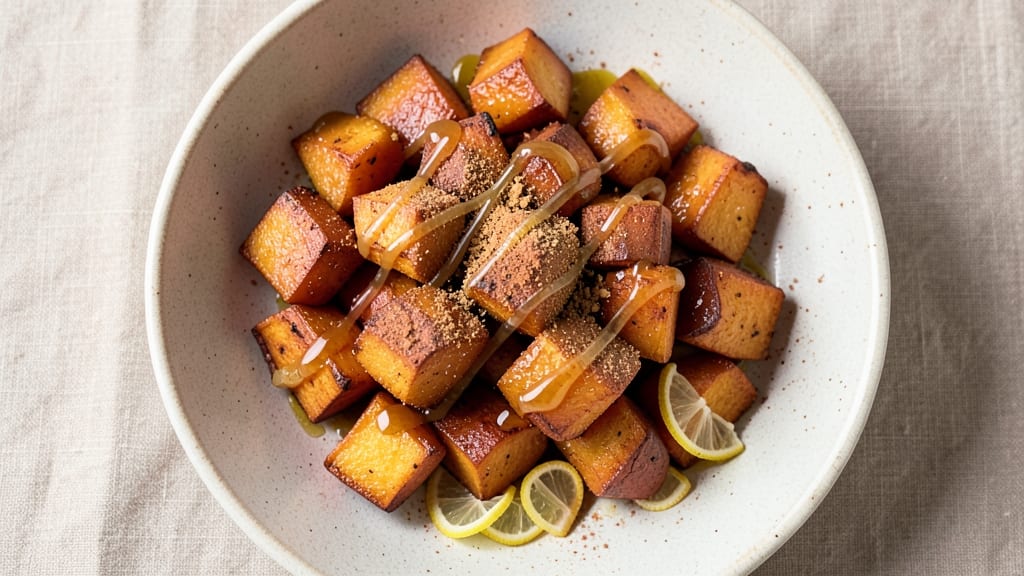
This sweet potato acid reflux recipe delivers comforting, gentle flavors without triggering discomfort—perfect for sensitive stomachs. Roasting brings out natural sweetness while keeping textures soft and digestible, avoiding common reflux triggers like acidity or heavy spices.
The secret lies in soothing ingredients like cinnamon and ginger, which aid digestion while adding warmth without irritation.
What makes this dish reflux-friendly is its preparation: tender, fork-moldable sweet potatoes roasted with minimal oil and no added acids. The spices chosen—cinnamon, turmeric, and a touch of ginger—are known for their gentle, anti-inflammatory properties.
This method preserves nutrients while making the dish gentle enough for evening meals or post-meal digestion.
The result is a naturally sweet, aromatic side that pairs perfectly with grilled chicken, quinoa, or steamed fish. Each bite offers creamy texture and comforting warmth without the heaviness of fried or saucy preparations.
The absence of tomatoes, citrus, or garlic ensures it won’t aggravate sensitive stomachs, making it a reliable choice for reflux sufferers.
Ready in just 30 minutes, this recipe requires minimal effort but delivers maximum comfort. Serve warm alongside your favorite reflux-friendly main dish for a balanced, soothing meal.
The simplicity of the ingredients and method ensures it’s both nutritious and easy to digest, proving that gentle flavors can still be delicious.
Ingredients for sweet potato acid reflux
Gentle flavors meet soothing spices in this reflux-friendly roast—simple ingredients for maximum comfort.
| Ingredient | Amount | Notes |
|---|---|---|
| Sweet Potatoes 🍠 | 2 lbs | Medium-sized, peeled and cubed |
| Extra-Virgin Olive Oil 🫒 | 2 tbsp | Lightly toasted for aroma |
| Ground Cinnamon 🌿 | 1 ½ tsp | Freshly ground preferred |
| Ground Turmeric 🌿 | ½ tsp | High-quality, vibrant color |
| Fresh Ginger 🌿 | 1 tbsp | Finely grated, organic preferred |
| Honey 🍯 | 1 tbsp | Raw, unprocessed preferred |
| Sea Salt 🧂 | ½ tsp | Diamond Crystal preferred |
| Black Pepper 🌶️ | ¼ tsp | Freshly ground for warmth |
| Fresh Parsley 🌿 | ¼ cup | Chopped, for garnish |
| Unsalted Butter 🧈 | 1 tbsp | For finishing, optional |
Sweet potatoes are the star here—choose organic when possible to minimize pesticide residue, which can sometimes irritate sensitive stomachs. Trader Joe's and Whole Foods carry reliable organic varieties. The cinnamon and turmeric should be freshly ground for optimal anti-inflammatory benefits; Penzeys or bulk bins at natural grocery stores offer the best quality. Ginger is non-negotiable for its digestive properties—opt for the freshest root you can find, as dried lacks potency. For the honey, raw, unprocessed is ideal as it retains more enzymes that aid digestion, though regular honey will work in a pinch.
No fresh ginger? Powdered ginger at one-third the amount works, though texture will differ. Substitute honey with maple syrup if preferred, though honey’s enzymes are slightly more beneficial for reflux. The olive oil can be swapped for avocado oil if you prefer a neutral flavor. For extra richness, add 1 tablespoon of coconut milk powder to the spices before tossing. The parsley is purely decorative—skip if you're sensitive to fresh herbs. If you prefer a completely oil-free version, use apple cider vinegar (1 tbsp) instead of olive oil, though texture will be slightly drier.
Roasted sweet potatoes keep well in the fridge for 4-5 days when stored in an airtight container. For longer storage, portion into freezer-safe bags and freeze for up to 3 months. Reheat gently in the microwave or oven to preserve texture. The spices can be pre-mixed in a small jar and stored for 6 months in a cool, dark place. For meal prep, double the recipe and freeze half—perfect for quick, soothing sides on busy evenings. Always reheat thoroughly to maintain food safety.
Why You'll Love This Recipe
- One-Pot Magic: I swear by this when I’m too tired to wash dishes—just peel, cube, and toss those sweet potatoes in olive oil with cinnamon and turmeric. The oven does all the work while I sip tea.
- Soothing Spice Combo: That warm ginger-cinnamon blend isn’t just flavor—it’s comfort. The turmeric adds a gentle earthiness, and the olive oil keeps it rich without weighing you down. (Yes, even on a Tuesday night.)
- Meal Prep MVP: Roast a big tray on Sunday, and you’ve got breakfast, lunch, or a side for days. My kids grab them cold for school lunches, and I reheat slices for hash in minutes. Zero guilt, all satisfaction.
Step-by-step instructions for gentle roasted sweet potatoes
This method ensures tender, flavorful sweet potatoes that soothe digestion while delivering vibrant spices.
Preheat and Prepare the Sweet Potatoes
Preheat your oven to 400°F for even cooking. While it heats, place the 2 lbs sweet potatoes in a large mixing bowl. The medium-sized cubes should be roughly 1.5-inch pieces—this size ensures they roast evenly without becoming mushy.
Drizzle the sweet potatoes with the 2 tbsp extra-virgin olive oil and toss gently with your hands until each piece is lightly coated. The oil will help caramelize the edges while keeping the interior tender. Spread them evenly on a rimmed baking sheet lined with parchment paper, leaving about ½-inch space between each piece to allow for even air circulation.
Season with Soothing Spices
In a small bowl, whisk together the 1.5 tsp ground cinnamon, 0.5 tsp ground turmeric, 0.5 tsp sea salt, and 0.25 tsp black pepper. These spices are naturally anti-inflammatory and gentle on digestion while adding warmth to the dish. Sprinkle the spice mixture evenly over the sweet potatoes, tossing gently to ensure each piece is coated.
Add the 1 tbsp finely grated fresh ginger and toss again. The ginger's sharpness mellows during roasting, leaving behind a subtle, soothing flavor. For even distribution, I like to use my hands—this ensures every cube gets the full benefit of the spices. Avoid overcrowding the baking sheet, as this can lead to uneven cooking.
Roast Until Tender and Caramelized
Place the baking sheet in the preheated oven and roast the sweet potatoes for 25-30 minutes, stirring halfway through the cooking time. You'll know they're ready when a knife slides in easily and the edges are golden brown with slight caramelization. The interior should be soft but not mushy—this balance is key for both texture and digestibility.
If the sweet potatoes aren't quite tender after 30 minutes, return them to the oven for another 5-10 minutes. The goal is to achieve a fork-tender consistency while maintaining a slight bite for texture. Avoid overcooking, as this can make them dry and harder to digest.
Finish with Honey and Butter
Remove the sweet potatoes from the oven and transfer them to a serving bowl. Drizzle with the 1 tbsp honey and toss gently to coat. The honey adds natural sweetness and helps balance the earthy flavors of the spices. Let the sweet potatoes sit for 2-3 minutes to absorb the honey fully.
For added richness, stir in the 1 tbsp unsalted butter (if using) until melted and evenly distributed. The butter enhances the natural sweetness of the potatoes and adds a velvety texture. Finish with the 0.25 cup chopped fresh parsley, which not only adds a pop of color but also provides a fresh, bright contrast to the warm spices.
Serve Warm for Maximum Comfort
Serve the sweet potatoes immediately while still warm. The combination of tender sweet potatoes, soothing spices, and natural sweetness makes this dish gentle on the digestive system while being deeply satisfying. Pair with a side of steamed greens or a small portion of grilled chicken for a balanced meal that won't trigger acid reflux.
For extra comfort, serve with a dollop of Greek yogurt or a sprinkle of toasted pumpkin seeds. These additions provide additional soothing properties and enhance the overall texture and flavor profile of the dish. Enjoy while warm for the best experience!
Pro Tips For Making Sweet Potato Acid Reflux
- Peel After Roasting: Sweet potatoes are easier to handle when warm—skip peeling them raw. Roast whole (pricked with a fork) at 400°F (200°C) for 45 minutes first, then peel while still hot. The skin slides off like magic, and you avoid the mess of raw potato scraps.
- Grate Ginger Fine: I used to chop ginger roughly, but for this dish, it needs to dissolve into the oil. Use the smallest holes on a box grater or pulse in a food processor until it’s almost paste-like. That way, it blends seamlessly with the cinnamon and turmeric instead of sitting as chunks.
- Roast in Batches: Overcrowding the pan steams the potatoes instead of browning them. Cut them into even 1-inch cubes and roast in two rounds if needed. A hot, slightly crowded pan will give you crispy edges—just don’t let them touch until the first batch caramelizes.
- Toast Spices First: Heat the olive oil in the pan until shimmering, then add cinnamon and turmeric for 30 seconds before tossing in the potatoes. This blooms their flavors and deepens the earthy warmth, which is especially important for acid reflux—it keeps the dish soothing without being bland.
Pro cooking tips for this dish
Spice Blend Precision
Balance is key when seasoning sweet potatoes for reflux—too much spice can irritate sensitive stomachs. I measure spices by weight for consistency: 1.5 tsp cinnamon (anti-inflammatory), 0.5 tsp turmeric (gentle warmth), and just 0.25 tsp black pepper (for subtle heat).
Use a scale if possible—it’s more accurate than volume measurements. Freshly ground spices make a noticeable difference in flavor and digestibility. 🌿
Oven Temperature Control
Set your oven to 400°F—any lower risks uneven cooking, while higher temps can dry out the potatoes. I use an oven thermometer to verify accuracy, as home ovens often run 25°F hotter or cooler than set.
Place the baking sheet on the middle rack for even heat distribution. If your oven has hot spots, rotate the pan halfway through cooking. 🌡️
Cubing for Perfect Texture
Cut sweet potatoes into 1.5-inch cubes—this size ensures they cook evenly without becoming mushy. Larger pieces stay too firm, while smaller ones can turn dry. Use a sharp chef’s knife or mandoline for clean cuts.
For extra tenderness, I lightly steam the cubes for 3 minutes before roasting to jumpstart the cooking process. This step is especially helpful for older sweet potatoes.
Honey Application Timing
Add honey in the final 2-3 minutes of cooking to prevent burning. Drizzle it over the warm potatoes and toss immediately—the heat helps the honey caramelize slightly, adding depth of flavor.
If using maple syrup as a substitute, reduce the amount to 1 tsp since it’s less concentrated. The honey not only sweetens but also helps tenderize the potatoes further. 🍯
Ginger Substitution Tips
Fresh ginger is ideal, but if unavailable, use ⅓ tsp powdered ginger per 1 tbsp fresh. For a milder flavor, try ½ tsp ground cardamom—it’s warm and aromatic without the sharpness.
Avoid ginger substitutes like candied ginger, which can be too sweet and may irritate some reflux sufferers. Always taste as you go to adjust to your tolerance level.
Reheating Without Drying
Reheat leftovers gently to preserve moisture. Cover with a damp paper towel and microwave on 50% power for 1-2 minutes, stirring halfway. For oven reheating, spread on a baking sheet at 350°F for 10-12 minutes until warmed through.
Avoid high heat, which can make sweet potatoes dry and harder to digest. A splash of water or broth can help restore moisture if needed.
Nutrition facts
Frequently asked questions
Why are sweet potatoes better for acid reflux than regular potatoes?
Sweet potatoes have a lower glycemic index and contain more fiber than white potatoes, making them easier to digest. They also lack the starch that can trigger bloating in some people with reflux. The natural sweetness comes from complex carbs rather than simple sugars, which are gentler on sensitive stomachs.
Can I use this recipe if I have other digestive issues like IBS?
This recipe is designed to be gentle, but individual tolerances vary. The key is avoiding added oils and keeping spices mild. For IBS, you might reduce the black pepper slightly or omit it entirely. Always test with small portions first to see how your body responds.
What's the best way to store leftovers to keep them reflux-friendly?
Store in an airtight container in the fridge for up to 4 days. For longer storage, freeze portions for 3 months. Reheat gently in the microwave with a damp paper towel to prevent drying out. Avoid reheating multiple times, as this can make textures tougher to digest.
Are there any spices I should avoid completely with acid reflux?
Yes—avoid garlic, onions, and chili powder, as they can trigger reflux symptoms. The spices in this recipe (cinnamon, turmeric, ginger) are specifically chosen for their soothing properties. Always check your personal tolerance, as some people handle mild spices better than others.
Can I make this recipe ahead of time for meal prep?
This dish actually tastes better the next day as flavors meld. Cook and store as directed, then reheat gently. For meal prep, double the recipe and portion into containers. The spices will continue to infuse, making each bite more aromatic and comforting.