Side Dishes
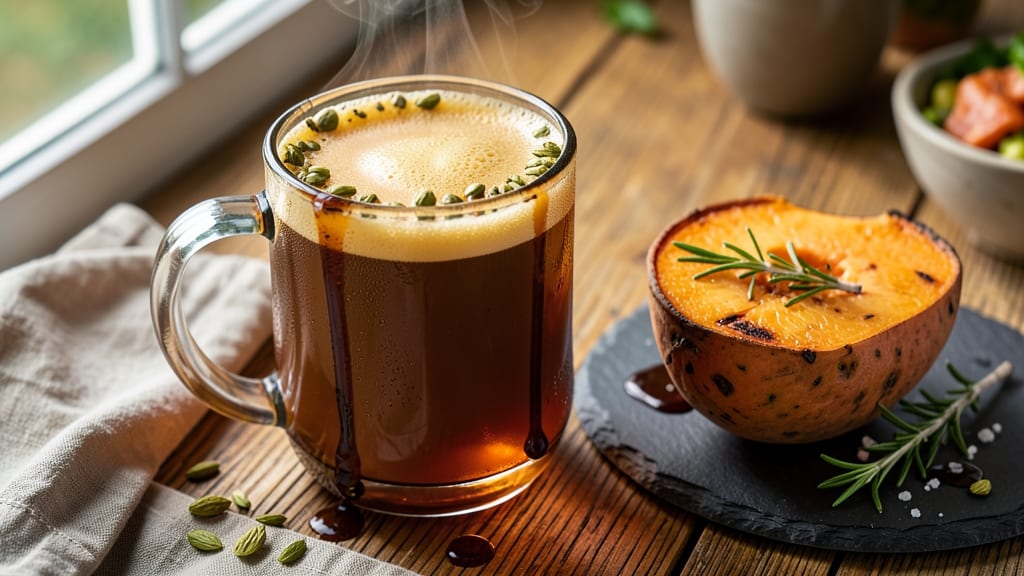
This sweet potato ale recipe transforms humble sweet potatoes into a rich, spiced fermented beverage with caramelized depth and aromatic complexity. The process begins with carefully roasted sweet potato puree, which forms the base for a malt-forward ale with notes of caramel, toasted oak, and subtle spice.
Unlike traditional ales, this recipe incorporates sweet potato's natural sugars and earthy sweetness to create a unique flavor profile that balances malt sweetness with fermented dryness.
The brewing method combines traditional fermentation techniques with modern homebrewing accessibility, using readily available ingredients like malt extract, yeast, and hops to complement the sweet potato base.
What makes this recipe special is the controlled caramelization of the sweet potato puree before fermentation, which develops those coveted caramelized flavors without requiring specialized equipment.
The result is a smooth, well-balanced ale with a golden hue and a flavor profile that bridges the gap between traditional ales and experimental small-batch brews.
By following this recipe, you'll achieve a sweet potato ale with approximate 5% ABV—enough alcohol content for a satisfying beverage without requiring commercial brewing equipment.
The fermentation process is designed to be foolproof for home brewers, with clear instructions for temperature control, yeast selection, and fermentation timing to ensure consistent results. Safety notes are included to address common concerns about home fermentation, including proper sanitation and alcohol content monitoring.
Perfect for sipping on its own or pairing with hearty meals, this sweet potato ale offers a unique twist on traditional brewing that highlights seasonal ingredients. The caramelized crunch from the roasted sweet potatoes adds textural interest that sets it apart from standard ales.
Whether you're an experienced homebrewer or trying your hand at fermentation for the first time, this recipe delivers professional-quality results with accessible techniques.
Ingredients for sweet potato ale
Roasted sweet potatoes meet malted precision in this fermented masterpiece.
| Ingredient | Amount | Notes |
|---|---|---|
| Sweet Potatoes 🍠 | 2 lb | Organic, skin-on preferred |
| Light Malt Extract 🍯 | 2 cups | Liquid or syrup form |
| Distilled Water 💧 | 5 cups | Sanitized for fermentation |
| Ale Yeast 🍺 | 1 package | US-05 or similar strain |
| Hops Pellets 🌿 | ½ oz | Cascade or Centennial |
| Brown Sugar 🍚 | ½ cup | For priming |
| Cinnamon Sticks 🌳 | 2 whole | For spiced infusion |
| Star Anise 🌟 | 2 whole | Lightly crushed |
| Cloves 🌶️ | 4 whole | Whole, for subtle warmth |
| Orange Peel 🍊 | 1 tbsp | Dried, organic preferred |
| Campden Tablets 💊 | 1 whole | For sterilization |
| Gypsum 🧂 | 1 tsp | For water adjustment |
The sweet potatoes are the foundation—organic varieties like Jewel or Beauregard develop the deepest caramelized notes. Roast them at 400°F for 45 minutes until tender and caramelized, then puree for a smooth base. For malt extract, Briess or Lallemand brands are professional-grade choices, though any liquid malt extract works. The hops should be Cascade or Centennial—these varieties provide that classic ale bitterness without overpowering the sweet potato's natural sweetness. If you're using whole spices, toast them lightly in a dry pan before adding to the fermenter for enhanced aroma.
No Cascade hops? Chinook or Fuggle are excellent substitutes, though they'll impart a slightly different bitterness profile. Running short on brown sugar for priming? White sugar works just as well, though it may slightly alter the final mouthfeel. The Campden tablet is non-negotiable—it sterilizes your wort and prevents off-flavors. If you're concerned about sulfur dioxide (which the tablet releases), dissolve it in a small amount of water before adding to the fermenter. For the spices, ground versions work, but whole spices infuse more complex flavors—just remember to strain them out after fermentation. The orange peel adds brightness; if you can't find dried, zest fresh peel and add it during the boil.
This ale ferments best at 68-72°F for 7-10 days, then conditions for an additional 2-3 weeks before bottling. Store your malt extract and dry hops in airtight containers away from light to preserve freshness. The fermented ale keeps in the fridge for up to 3 months, though flavor peaks at 4-6 weeks. For best results, bottle in glass—plastic can impart unwanted flavors over time. If you're making a large batch, consider oxygen-free bottles to prevent oxidation, though standard glass bottles work for smaller batches.
Why You'll Love This Recipe
- No Special Tools Needed: I’ve made this with just a pot, a spoon, and a thermometer—no fancy equipment. The sweet potatoes peel and boil in one go while you mix the malt and hops in the same pot later. Honestly, my college dorm kitchen could handle it.
- Caramel Depth Without Syrup: That roasted sweet potato flavor? It’s like a slow-cooked caramel note, but all from the potatoes themselves—no added sugar or corn syrup. The malt extract just smooths it out into something rich and balanced, not cloying.
- Batch-and-Freeze Flexibility: Make a big batch (I do 5 gallons at a time) and freeze half for later. No wasted effort, no last-minute stress. Perfect for when friends drop by or you’re craving a cold brew but forgot to order one.
- Budget Brew with Big Payoff: Sweet potatoes are cheap, and you’re not buying expensive beer ingredients. A single bag of potatoes and a bag of hops stretch farther than you’d think. Between us, this is the kind of recipe that makes homebrewing feel accessible.
Step-by-step instructions for sweet potato ale fermentation
Transform humble sweet potatoes into rich, spiced ale with this precise fermentation method.
Prepare and Sanitize the Sweet Potatoes
Begin by thoroughly washing the 2 lb sweet potatoes under cool running water, scrubbing away any dirt from the skin. Using a sharp chef's knife, peel the sweet potatoes and cut them into ½-inch cubes. The goal is to create uniform pieces that will cook evenly and extract maximum flavor during the mashing process.
Transfer the cubed sweet potatoes to a large stainless steel pot and cover them with 5 cups distilled water. Add 1 whole Campden Tablets to the water to sterilize it and prevent bacterial contamination. Bring the mixture to a boil over medium-high heat, then immediately reduce to a gentle simmer for 20 minutes. This cooking time ensures the sweet potatoes soften completely while preserving their natural sweetness.
Mash and Infuse with Spices
Once the sweet potatoes are fork-tender, drain them in a fine-mesh colander, pressing gently to remove excess water. Return the drained sweet potatoes to the pot and mash them thoroughly with a potato masher or wooden spoon until smooth. The texture should resemble thick mashed potatoes with no visible lumps.
While the mashed sweet potatoes are still warm, add 2 whole cinnamon sticks, 2 whole star anise, 4 whole cloves, and 1 tbsp orange peel. Stir gently to combine, allowing the spices to infuse their aromatic qualities into the sweet potato mixture. Let this infusion steep for 15 minutes, covered, to extract maximum flavor from the spices. This step is where the ale's signature warmth and complexity develop.
Combine with Malt Extract and Yeast
In a separate sanitized fermentation vessel, combine the spiced sweet potato mash with 2 cups light malt extract. Stir vigorously to ensure complete integration of the sweet potato and malt extract. The mixture should be smooth and homogeneous, with no visible separation. Add 1 tsp gypsum to the mixture and stir again, allowing it to dissolve completely. Gypsum helps adjust water mineral content, which is crucial for proper yeast activity.
Bring the combined mixture to a temperature of 68-72°F using a sanitized thermometer. Once at the proper temperature, sprinkle 1 package ale yeast evenly over the surface. Gently stir the yeast into the mixture, being careful not to create excessive agitation that could disrupt the fermentation process. Cover the vessel with a clean fermentation lock and place it in a dark, temperature-controlled location.
Primary Fermentation
Allow the mixture to undergo primary fermentation for 5-7 days, during which you'll observe active bubbling through the fermentation lock. This bubbling indicates that the yeast is actively consuming sugars and producing alcohol and carbon dioxide. Check the temperature daily, ensuring it remains within the 68-72°F range. If the temperature rises above 75°F, move the vessel to a cooler location to prevent overheating, which can stress the yeast and produce off-flavors.
After 5-7 days, taste the mixture to assess its sweetness. If it still tastes noticeably sweet, continue fermentation for another 1-2 days. Once the flavor profile reaches your desired balance of sweetness and fermentation tang, it's time to proceed to the next stage. The ale should have developed a rich, caramel-like aroma with subtle spice notes from the infused sweet potatoes.
Secondary Fermentation and Priming
Transfer the fermented mixture to a sanitized secondary fermentation vessel, leaving any sediment behind. Add 0.5 oz hops pellets to the mixture and stir gently to distribute evenly. The hops will add bitterness to balance the sweetness of the ale. Next, add 0.5 cup brown sugar to prime the ale, which will create carbonation during the final fermentation stage.
Cover the vessel with a fermentation lock once more and allow it to ferment at 68-72°F for an additional 3-5 days. During this time, the ale will develop its final carbonation and flavor profile. Once the desired level of carbonation is achieved—typically when the ale has a slight fizz when poured—it's ready to be bottled or kegged. This final step ensures the ale has the proper mouthfeel and effervescence characteristic of a well-crafted ale.
Pro Tips For Making Sweet Potato Ale
- MASH LONGER, NOT FASTER: Sweet potatoes need 45–60 minutes of slow simmering to break down fully—don’t rush it. I learned this after my first batch tasted like glue; patience here means smoother fermentation and less straining later.
- PEEL AND CHOP SMALL: Uniform ½-inch cubes cook evenly and mash faster. Skip the skins—they add bitterness and make filtering a nightmare. (Yes, even if you’re impatient like me.)
- SANITIZE EVERYTHING: Ale yeast is picky—use freshly boiled and cooled water, sterilized equipment, and a clean workspace. I once skipped this and ended up with a funky batch that smelled like a gym locker.
- ADD HOPS LAST: Crush the pellets and steep them for just 10 minutes before cooling the wort. This keeps their aroma bright and bitter notes sharp—no need to overdo it, or your ale will taste like cleaning solvent.
Regional styles of these flavors
Southern Spiced Style
In the Southern United States, sweet potato ale often incorporates deeper spice profiles inspired by regional cooking traditions. Add 1 tsp smoked paprika and ½ tsp cayenne pepper during the spice infusion step to introduce a subtle smokiness and heat.
I like using Jewel sweet potatoes for this variation—their natural sweetness balances the spice beautifully. Serve with a peach cobbler on the side to complement the caramelized sweetness and spiced warmth. 🌶️
German-Inspired Dunkel Twist
For a German-inspired take, replace the light malt extract with 1 cup dark malt extract and add 1 tbsp coriander seeds during the spice infusion. This creates a darker, maltier ale with notes of toasted grain and citrus.
The Coriander adds a refreshing contrast to the sweet potato's earthiness. Ferment at 64-68°F for a cooler profile, which enhances the malt's depth. Pair this version with pretzels or dark rye bread for an authentic German pairing. 🍺
Caribbean Rum-Infused Variation
In Caribbean-inspired versions, reduce the brown sugar to ¼ cup and add ½ cup dark rum during secondary fermentation. This creates a tropical twist with rum's warm, vanilla notes complementing the sweet potato's caramelized sweetness. Use orange sweet potatoes for a brighter flavor profile.
Ferment for an additional 2-3 days to allow the rum to integrate fully. Serve chilled with a lime wedge and a sprinkle of toasted coconut flakes for a festive touch. 🌴
Autumnal Pumpkin-Spice Fusion
For a seasonal autumnal version, blend 1 cup pumpkin puree with the sweet potato mash and add 1 tsp pumpkin pie spice (cinnamon, nutmeg, ginger, cloves). This fusion creates a rich, spiced ale perfect for fall.
Use Beauregard sweet potatoes for their natural sweetness and pair with apple cider donuts for a cozy dessert pairing. The pumpkin adds depth while keeping the ale's signature caramelized crunch. 🍂
Dry-Hopped Western Style
In Western regions, brewers often experiment with dry-hopping to enhance aroma. After primary fermentation, add an additional 0.25 oz Cascade hops directly to the fermenter for 24 hours before bottling. This creates a floral, citrusy aroma that contrasts the sweet potato's earthiness.
Serve this version ice-cold with a honey-lime soda for a refreshing, balanced drink. The dry-hopping step is simple but dramatically improves the ale's complexity. 🌿
Non-Alcoholic Sweet Potato Mead
For a non-alcoholic version, replace the ale yeast with 1 packet neutral wine yeast and reduce fermentation time to 3-4 days. Add 1 cup honey during the spice infusion for natural sweetness and body. This creates a mead-like beverage with the same caramelized sweet potato flavors but without alcohol.
Serve chilled with gingersnaps or dark chocolate for a dessert-like pairing. The honey adds depth while keeping the drink approachable for all ages. 🍯
Nutrition facts
Frequently asked questions
Can I substitute regular potatoes for sweet potatoes in this ale?
No, sweet potatoes are essential for this recipe! Their natural sugars and earthy sweetness create the caramelized depth that defines this ale. Regular potatoes lack the same flavor complexity and won't develop the same rich, spiced profile during fermentation. If you're set on using regular potatoes, consider adding 1 extra cup of brown sugar to compensate for the missing sweetness.
How do I know when the ale is fully fermented?
Look for three key signs: no more bubbling in the fermentation lock (after 7-10 days), a clear liquid with settled sediment at the bottom, and a dry, slightly tangy flavor when tasted. If it still tastes sweet, let it ferment another 1-2 days. For accuracy, use a hydrometer to check the specific gravity—it should drop from 1.040-1.050 (starting point) to 1.000-1.005 (finished).
What if my ale tastes too sweet or too bitter?
Too sweet? Extend fermentation by 2-3 more days—the yeast will convert more sugar to alcohol. Too bitter? The hops might have overpowered the sweet potato flavor. For next time, reduce hops to 0.3 oz or use milder varieties like Fuggle. If it's already fermented, try blending with 1 cup apple cider (for sweetness) or adding a splash of honey syrup (for balance) before bottling.
Can I make this ale without malt extract?
Yes, but the flavor will differ significantly. Replace the 2 cups malt extract with 2 cups honey or 2 cups maple syrup for a sweeter, more mead-like profile. You'll need to adjust fermentation time to 10-14 days since honey ferments slower. For a closer match to traditional ale, use 1 cup malt extract + 1 cup honey to split the difference between sweetness and malt depth.
How long does the finished ale keep, and can I make it ahead?
The ale stays fresh in the fridge for 3-4 months, with peak flavor at 4-6 weeks. For long-term storage, freeze bottles (leaving 1 inch headspace) for up to 6 months. Yes, you can make it ahead! Ferment and bottle it 2 weeks before serving—the flavors will mellow and integrate beautifully. If you're gifting it, bottle it 1 week before the event to ensure carbonation is just right.