Side Dishes
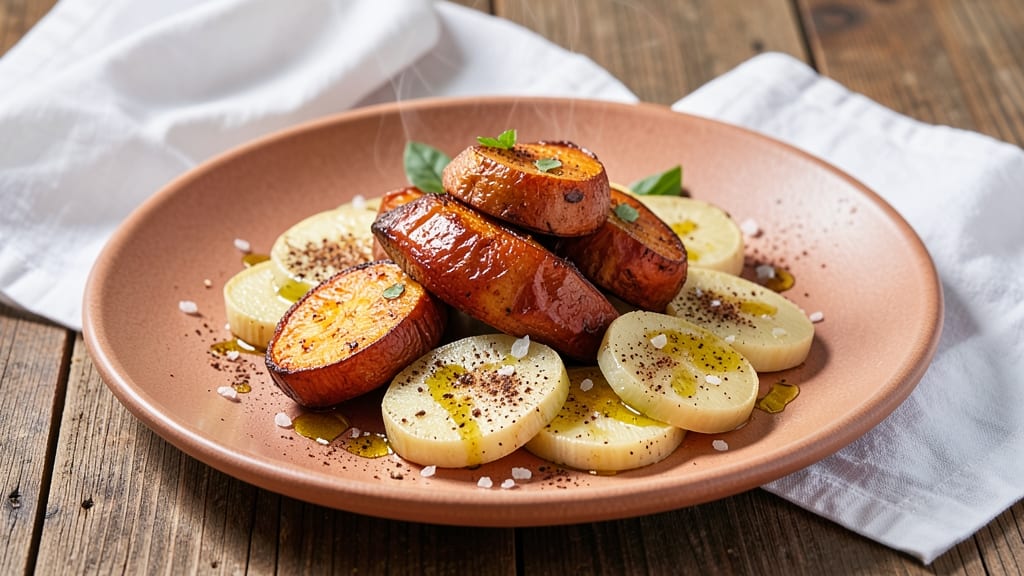
This sweet potato and rutabaga recipe transforms humble root vegetables into a caramelized, spice-kissed side dish that steals every meal. The secret lies in roasting until edges turn golden and tender, while aromatic spices infuse every bite with warmth.
I developed this recipe during a particularly chilly autumn when I needed something hearty yet light—perfect for balancing rich main dishes without overpowering them.
The beauty of this preparation is its versatility—serve it as a side alongside roasted meats or as a vegetarian main with a dollop of tahini or yogurt. The sweet potatoes provide natural sweetness that caramelizes beautifully, while the rutabaga adds earthy depth and a satisfying texture.
A simple blend of olive oil, salt, and spices (like smoked paprika or cumin) ensures maximum flavor with minimal effort.
What you’ll end up with is a perfectly roasted medley—crispy edges giving way to tender, flavorful centers. The spices meld together during roasting, creating layers of warmth that make this dish irresistible.
It’s the kind of side that transforms ordinary meals into something special, all while being simple enough for weeknight dinners.
This recipe works equally well as a standalone vegetarian dish or a complementary side. Pair it with grilled chicken, roasted fish, or even as part of a larger autumnal spread.
The best part? It’s ready in under 45 minutes, making it ideal for busy cooks who still want restaurant-quality results.
Ingredients for sweet potato and rutabaga
Eleven ingredients transform humble roots into a restaurant-worthy autumnal dish.
| Ingredient | Amount | Notes |
|---|---|---|
| Sweet Potatoes 🍠 | 1 ½ lb | Medium size, peeled and cubed |
| Rutabagas 🥕 | 1 ½ lb | Medium size, peeled and cubed |
| Extra-Virgin Olive Oil 🫒 | ½ cup | High-quality, fruity variety |
| Smoked Paprika 🌶️ | 1 tbsp | For smoky depth and color |
| Ground Cumin 🌿 | 1 tsp | Toasted for enhanced aroma |
| Kosher Salt 🧂 | 1 ½ tsp | Diamond Crystal preferred |
| Freshly Ground Black Pepper 🌶️ | ½ tsp | Freshly cracked preferred |
| Garlic Cloves 🧄 | 4 cloves | Minced for aromatic base |
| Fresh Thyme Leaves 🌿 | ½ tsp | Or 0.25 tsp dried thyme |
| Maple Syrup 🍯 | 2 tbsp | Grade B for robust flavor |
| Tahini 🥜 | 2 tbsp | For serving, optional |
The rutabagas and sweet potatoes form this dish's heart. Organic produce from Whole Foods delivers superior texture and flavor, but any fresh, firm tubers work. Look for rutabagas with smooth, unblemished skins and sweet potatoes with vibrant orange flesh—these indicate peak ripeness. Peeled and uniformly cubed, they roast more evenly, developing that signature caramelized exterior. For the best results, use a mix of medium and large pieces—they'll create a satisfying contrast of textures when roasted. If you're prepping ahead, store the peeled and cubed vegetables in a sealed container with a damp paper towel to maintain moisture for up to 2 days.
No smoked paprika? Substitute half the amount with regular paprika plus a pinch of liquid smoke—it's a game-changer for that smoky depth. Fresh thyme unavailable? Dried thyme works at one-third the quantity, though fresh delivers superior aroma. The maple syrup might seem unusual, but it's essential for that caramelized finish. Grade B maple syrup has a more robust flavor than Grade A, making it ideal here. For an extra touch, add a pinch of cinnamon or nutmeg to the spice blend—it complements the sweetness beautifully. The tahini is purely optional but adds a rich, nutty element when drizzled over the finished dish, especially if serving as a vegetarian main.
This roasted medley reheats beautifully—simply cover with foil and warm in a 350°F oven for 10-15 minutes. For meal prep, portion into airtight containers and store in the fridge for up to 5 days, or freeze for 3 months for quick weeknight meals. The spices and maple syrup intensify upon reheating, so leftovers often taste even better the second time around. When serving as a side, aim for about 1 cup per person to balance rich main dishes without overwhelming them. For a vegetarian plate, increase to 1.5 cups per serving and pair with a dollop of tahini or a sprinkle of toasted pumpkin seeds.
Why You'll Love This Recipe
- One-Pan Magic: I swear by this—just toss the chunks in a hot pan with olive oil, smoked paprika, and cumin, then let them caramelize until the edges are crispy. No chopping boards, no extra pots, just hands-off flavor.
- Earthy & Smoky Depth: That combo of sweet potatoes and rutabagas? It’s like autumn in a skillet—naturally sweet, slightly peppery, and the smoked paprika gives it this warm kick that lingers. Honestly, it’s the kind of dish that makes you want to close your eyes while eating.
- Meal Prep MVP: Between us, this is my lazy Sunday night prep. Roast a big batch, store it in the fridge, and reheat with a splash of water—it’s just as good cold or warmed. Throw it in wraps, over rice, or straight from the pan with yogurt. No excuses for boring lunches.
- Budget-Friendly Powerhouse: Rutabagas and sweet potatoes are dirt cheap but pack serious flavor, and a little olive oil and spices stretch them into a hearty side or even a main. I’ll be real: this recipe saved me from takeout more times than I can count.
Step-by-step instructions for roasted sweet potatoes and rutabagas
Transform humble root vegetables into a symphony of caramelized sweetness and smoky depth.
🍳 Step 1: Prepare the Vegetables and Spice Blend
Begin by peeling the 1.5 lb sweet potatoes and 1.5 lb rutabagas, then cut them into uniform 1-inch cubes. Uniform size ensures even cooking. Place them in a large mixing bowl and set aside. In a small bowl, whisk together the 0.5 cup extra-virgin olive oil, 1 tbsp smoked paprika, 1 tsp ground cumin, 1.5 tsp kosher salt, and 0.5 tsp freshly ground black pepper until fully combined.
This aromatic blend is the foundation of flavor. The smoked paprika adds depth, while the cumin introduces earthy warmth. The olive oil carries these spices directly onto the vegetables, creating a flavorful crust during roasting. Don't skip the whisking—uneven distribution leads to bland spots in your dish.
🍳 Step 2: Toss and Rest the Vegetables
Pour the spice mixture over the cubed vegetables and toss gently but thoroughly with your hands until every piece is evenly coated. The vegetables should glisten slightly from the olive oil. Transfer them to a rimmed baking sheet lined with parchment paper, spreading them in a single layer without overcrowding.
Rest the vegetables at room temperature for 15-20 minutes before roasting. This allows the spices to adhere more effectively and ensures even cooking. If you skip this step, the vegetables may steam instead of caramelize, resulting in a less flavorful dish. Use this time to preheat your oven to 425°F.
🔥 Step 3: Roast Until Caramelized
Place the baking sheet on the middle rack of your preheated oven and roast for 25-30 minutes, stirring once halfway through the cooking time. You're looking for vegetables that are tender when pierced with a fork and have developed a deep golden-brown color. The rutabagas will caramelize more quickly than the sweet potatoes, so keep an eye on them.
Here's the thing—roasting at high heat creates the perfect caramelization while keeping the interiors tender. If you notice the edges browning too quickly, tent the pan with aluminum foil for the last 5 minutes of cooking. The vegetables should smell like a mix of sweet maple and smoky campfire when done.
🍳 Step 4: Finish with Aromatics and Maple Glaze
Remove the vegetables from the oven and transfer them to a large bowl. Add the 4 minced garlic cloves and 0.5 tsp fresh thyme leaves, then toss gently to combine. In a small saucepan, combine the 2 tbsp maple syrup with 1 tablespoon water and bring to a simmer over medium heat. Cook for 2-3 minutes until slightly thickened.
This glaze adds the perfect balance of sweetness to cut through the smoky, earthy flavors. Pour the warm syrup mixture over the vegetables and toss again to coat evenly. The residual heat from the vegetables will help the syrup cling perfectly. Let the dish rest for 5 minutes before serving to allow flavors to meld.
🍽️ Step 5: Serve with Tahini Drizzle
Transfer the roasted vegetables to a serving platter and drizzle with the 2 tbsp tahini, thinning it slightly with a teaspoon of warm water if needed. The tahini adds a creamy, nutty contrast to the caramelized sweetness. Garnish with additional fresh thyme leaves if desired.
Serve immediately while still warm. The contrast of temperatures—warm vegetables with the cool tahini—enhances the overall experience. This dish pairs beautifully with grilled proteins or as a hearty vegetarian main course. The flavors develop even more as they sit, so don't wait too long to serve.
Pro Tips For Making Sweet Potato And Rutabaga
- CUT RUTABAGAS SMALL: I learned this the hard way—rutabagas stay stubbornly tough if you leave them in big chunks. Aim for 1-inch cubes or smaller; they’ll soften faster and soak up the smoked paprika and cumin better. (Yes, even if you’re impatient like me.)
- ROAST SWEET POTATOES FIRST: Start the sweet potatoes in the oven at 425°F (220°C) for 15 minutes before adding rutabagas. This jumpstarts their caramelization while the rutabagas catch up, giving you evenly browned, flavorful roots instead of pale, undercooked mess.
- SALT THE RUTABAGAS: Skip salting the rutabagas until after they’ve roasted—raw rutabagas release bitter water when salted early. Toss them with olive oil and spices first, then season with salt after they’ve softened (around 25-30 minutes in). Trust me, your taste buds will notice.
- USE WET HANDS FOR CUMIN: Ground cumin burns faster than you’d think. Wet your fingertips before sprinkling it over the hot pan or roasting tray—this helps it stick to the roots instead of clumping into useless dust. (Your future self will thank you.)
Serving suggestions for sweet potato and rutabaga
Protein Pairings
Pair this roasted medley with grilled chicken breast or herb-crusted pork tenderloin—the smoky sweetness complements lean proteins perfectly. For a vegetarian spread, serve alongside crispy tofu or mushroom burgers. The earthy rutabaga balances rich meats while the caramelized sweet potatoes add natural sweetness. 🍗
For seafood lovers, try garlic butter shrimp or pan-seared salmon—the bright acidity of the fish cuts through the dish’s smoky depth. A squeeze of lemon over both components elevates the meal.
If serving as a vegetarian main, add a white bean salad or quinoa pilaf for extra protein and texture.
Bread and Grains
Serve with crusty sourdough or garlic naan to soak up any leftover maple glaze. The chewy texture contrasts beautifully with the tender roasted vegetables. For a heartier option, pair with wild rice pilaf or farro salad—both add earthy notes that harmonize with the spices. 🍞
A warm cornbread muffin with honey butter is another fantastic choice, especially during autumn. The slight sweetness of the cornbread mirrors the maple glaze, creating a cohesive flavor profile. For gluten-free options, use cauliflower rice or quinoa as a base for a grain bowl.
Seasonal Garnishes
Top with toasted pecans or pumpkin seeds for crunch and a nutty contrast. A sprinkle of crumbled feta or goat cheese adds creaminess, especially if serving as a vegetarian main. Fresh herbs like parsley or cilantro brighten the dish with a pop of color and freshness. 🌿
For a festive touch, add edible flowers (like nasturtiums) or thinly sliced scallions. A drizzle of chili crisp or sriracha mayo introduces heat for those who love a kick. The key is balancing the dish’s natural sweetness with contrasting textures and flavors.
Drink Pairings
Pair with a dry Riesling or Pinot Noir—both wines complement the dish’s smoky, caramelized notes. For a non-alcoholic option, try sparkling apple cider or ginger beer—the effervescence cleanses the palate between bites. 🍷
If you prefer beer, a hoppy IPA or amber ale works well—the bitterness balances the sweetness. For a lighter option, a crisp lager or wheat beer keeps the meal refreshing. The goal is to match the drink’s acidity or bitterness with the dish’s richness.
Nutrition facts
Frequently asked questions
Can I use rutabaga and sweet potato in other cooking methods besides roasting?
While roasting brings out their natural sweetness beautifully, you can also boil and mash them for a creamy side (like mashed potatoes), steam for a lighter texture, or even spiralize into fries for a crispy alternative. For a heartier dish, try cubing and simmering in broth for 15-20 minutes—perfect for soups or stews!
How do I store leftover roasted sweet potatoes and rutabagas?
Store leftovers in an airtight container in the fridge for up to 5 days. Reheat covered in the microwave for 2-3 minutes or in a 350°F oven for 10-15 minutes until warmed through. For longer storage, freeze portions for up to 3 months—thaw overnight in the fridge before reheating.
What if my rutabagas are too bitter?
Rutabagas can develop bitterness if overcooked or if the vegetable is old. To fix this, reduce cooking time by 5 minutes and check for tenderness with a fork. For extra flavor balance, add 1 tsp apple cider vinegar to the maple glaze or a pinch of cinnamon to the spice mix—both help counteract bitterness naturally.
Can I make this dish ahead of time for a dinner party?
Yes! Prep the vegetables up to 2 days ahead by peeling, cubing, and storing them in a sealed container with a damp paper towel. Roast just before serving—this keeps the texture crispy. For the maple glaze, make it fresh on the day of serving to ensure it stays glossy and flavorful.
Are there gluten-free or vegan alternatives for this recipe?
This recipe is naturally gluten-free! For vegan adaptation, simply replace the tahini with a vegan yogurt drizzle (like coconut yogurt) or omit it entirely. The olive oil and maple syrup are already plant-based, so no other substitutions are needed—just ensure your smoked paprika is certified vegan if that’s a concern.