Side Dishes
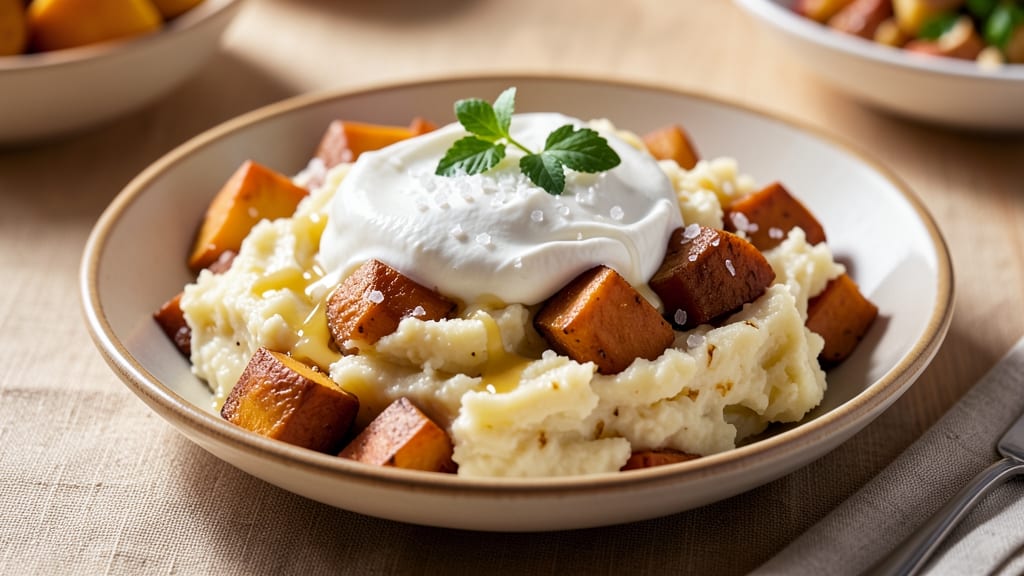
This sweet potato and white potato mash recipe delivers the perfect balance of velvety texture and nutty depth—a comforting side that elevates any meal. The secret lies in combining their distinct flavors: sweet potatoes add natural sweetness, while white potatoes contribute a neutral base that soaks up seasonings beautifully.
I’ve perfected this technique to ensure every bite is creamy without being gluey, with just the right amount of butter and cream for richness.
What sets this mash apart is the two-pot boiling method, which prevents the sweet potatoes from turning mushy while keeping the white potatoes tender. Seasoning with salt, pepper, and a touch of nutmeg enhances their natural flavors, creating a dish that’s both simple and sophisticated.
The result is a smooth, luxuriously creamy mash with layers of warmth that make it irresistible.
This recipe is foolproof and ready in about 30 minutes, making it ideal for weeknight dinners or holiday feasts. Whether you’re serving it alongside roasted meats or as a standalone dish, the combination of sweet and earthy notes creates a satisfying texture that’s hard to resist.
The key is patience—letting the potatoes cook just until fork-tender ensures the perfect consistency.
For added depth, consider finishing with a drizzle of brown butter or a sprinkle of toasted pecans, which complements the mash’s natural sweetness. The recipe also adapts easily to dietary preferences—swap butter for olive oil and use plant-based milk for a dairy-free version without sacrificing creaminess.
Let’s get started on this crowd-pleasing classic!
Ingredients for sweet potato and white potato mash
Eleven ingredients transform into a luxurious mash balancing sweetness and earthy richness.
| Ingredient | Amount | Notes |
|---|---|---|
| Sweet Potatoes 🍠 | 1 ½ lb | Medium-sized, peeled and cubed |
| White Potatoes (Yukon Gold) 🥔 | 1 ½ lb | Peeled and cubed, uniform size |
| Unsalted Butter 🧈 | ¾ cup | Cold, cut into small cubes |
| Heavy Cream 🥛 | ½ cup | Full-fat for optimal creaminess |
| Whole Milk 🥛 | ¼ cup | Warmed slightly for blending |
| Diamond Crystal Kosher Salt 🧂 | 1 ½ tsp | Adjust to taste, not pre-salted |
| Freshly Ground Black Pepper 🌶️ | ½ tsp | Coarsely cracked peppercorns |
| Ground Nutmeg 🌿 | ¼ tsp | Freshly grated preferred |
| Brown Butter 🧈 | 2 tbsp | For finishing drizzle, optional |
| Toasted Pecans 🥜 | ¼ cup | Chopped, for garnish |
| Fresh Thyme Leaves 🌿 | ¼ tsp | For garnish, optional |
The potatoes are the foundation—Yukon Golds for their buttery texture and sweet potatoes for natural sweetness. Most grocery stores carry both, but local farmers markets often have fresher, smaller potatoes ideal for even cooking. Look for firm, unblemished sweet potatoes with smooth skin—avoid any with soft spots or wrinkles. For the white potatoes, organic Yukon Golds from Whole Foods or Trader Joe's consistently deliver the best flavor. The key is uniformity: cut all potatoes into similar-sized cubes so they cook at the same rate. If you're short on time, microwave the potatoes for 5 minutes before boiling to reduce cooking time by half.
No heavy cream? Full-fat coconut milk works beautifully, though the texture will be slightly lighter. Substituting butter? Olive oil or avocado oil (about 2/3 the amount) keeps the dish dairy-free without sacrificing creaminess. For nutmeg, freshly grated from a whole nutmeg pod is ideal, but pre-ground works in a pinch—just use half the amount. The brown butter adds depth; if you skip it, extra-virgin olive oil with a pinch of smoked paprika mimics that nutty richness. For the pecans, toasting in a dry pan for 2-3 minutes enhances their flavor dramatically. If you're avoiding nuts, toasted pumpkin seeds make a great alternative garnish.
Store any leftovers in an airtight container in the fridge for up to 4 days, though it reheats best when fresh. For longer storage, freeze portions in a single layer before transferring to a bag—keeps for 3 months. The mash reheats beautifully with a splash of warm milk to restore creaminess. To serve, press through a potato ricer for ultra-smooth texture or leave slightly chunky for rustic appeal. This dish also makes an excellent make-ahead side—prepare the day before and reheat gently with extra butter. The nutmeg and thyme should be added fresh after reheating to preserve their aromatic qualities.
Why You'll Love This Recipe
- Two-Potatoes, Zero Stress: I swear by this combo—sweet potatoes handle the roasting while Yukon Golds boil in the same pot. No chopping, no fuss, just peel-and-go simplicity. Even my toddler can "help" (read: make a mess) without ruining dinner.
- Velvet Creamy Magic: That first forkful? Pure satisfaction. The sweet potatoes add natural sweetness, while the Yukon Golds bring earthy richness, all wrapped in a cloud of butter and cream. It’s the kind of mash that makes you pause mid-bite—wait, is this real food?
- Weeknight to Holiday: Between us, this is my secret weapon for lazy Mondays and Thanksgiving leftovers. Double the batch, freeze half, and you’ve got a 5-minute side for months. (Yes, even on a Tuesday night.)
- Budget-Friendly Luxury: Sweet potatoes stretch further than you’d think, and Yukon Golds are cheaper than you’d expect. Add butter and cream, and suddenly you’ve got a dish that tastes like a restaurant—without the price tag. My wallet and taste buds thank me every time.
Step-by-step instructions for sweet potato and white potato mash
Mastering this mash requires precision in cooking times and technique to achieve that signature velvety texture with nutty depth.
Prepare and Parboil the Potatoes
In a large pot, combine the 1.5 lb peeled and cubed sweet potatoes and 1.5 lb peeled and cubed Yukon Gold potatoes. Add enough cold water to cover by about 2 inches. Bring to a boil over high heat, then immediately reduce to a gentle simmer. The potatoes should cook for 12-15 minutes until they're fork-tender but still hold their shape when pierced.
This parboiling step is crucial—it ensures even cooking and prevents the potatoes from breaking down into a gluey mess later. You'll know they're ready when a thin knife slides in easily with just slight resistance. Drain immediately and return the potatoes to the pot.
Steam and Mash the Potatoes
Place the drained potatoes back in the pot and cover tightly with a lid. Let them steam off any excess moisture for 5 minutes over medium-low heat. This step removes surface moisture that would otherwise make your mash watery. The steam should create a light mist inside the lid—this indicates the potatoes are releasing their excess liquid.
After steaming, remove the lid and let the pot sit for 2 minutes to cool slightly. Then, using a potato masher or ricer, work in batches to mash until completely smooth. I prefer a ricer for its ability to create an ultra-silky texture, but a masher works well too. Avoid overworking—just until there are no lumps remaining.
Incorporate Butter and Milk Mixture
In a separate saucepan, warm the 0.25 cup whole milk and 0.5 cup heavy cream over low heat until just steaming (do not boil). Remove from heat and whisk in the 0.75 cup cold unsalted butter, cut into small cubes, until completely melted and emulsified. This warm dairy mixture should be smooth and glossy.
Gradually pour the warm milk mixture into the mashed potatoes while vigorously stirring with a wooden spoon. The heat from the dairy will help incorporate it smoothly. Add the 1.5 tsp Diamond Crystal kosher salt, 0.5 tsp freshly ground black pepper, and 0.25 tsp ground nutmeg, mixing well after each addition. Taste and adjust seasoning—you want the nutmeg to add warmth without bitterness.
Finish with Brown Butter and Garnishes
In a small skillet, melt the 2 tbsp unsalted butter over medium heat until it turns golden brown and smells nutty. Immediately remove from heat and let cool for 1 minute—this brown butter will add incredible depth of flavor. Drizzle the brown butter over the finished mash and gently fold it in.
For serving, top each portion with 0.25 cup toasted pecans and a sprinkle of 0.25 tsp fresh thyme leaves. The pecans add crunch and a subtle sweetness that complements the earthy potatoes, while the thyme brings a bright herbal note. Serve immediately while the mash is still warm and creamy.
Pro Tips For Making Sweet Potato And White Potato Mash
- PEEL HALF THE SWEET POTATO: Sweet potatoes keep their color and texture better when you peel only the very outer layer—especially if they’re small. The flesh underneath stays creamier, and you won’t waste good potato. (I used to peel them all the way through and ended up with a sad, dry mash.)
- BOIL POTATOES UNTIL TENDER: Pierce them first with a knife, then boil until a fork slides in easily—no fighting required. Sweet potatoes need about 15-20 minutes, Yukon Golds around 12-15. Overcooking turns them mushy; undercooking means extra mashing effort. (Yes, even if you’re impatient like me.)
- SALT THE POTATOES IN THE WATER: Add a generous pinch of salt to the boiling water—it seasons the potatoes before they hit the mash. The Yukon Golds will taste brighter, and the sweet potatoes won’t need extra salt later. (I learned this the hard way after a bland batch where I forgot.)
- MASH HOT, THEN REST: Work with piping-hot potatoes straight from the pot—they break down faster and smoother. After adding butter and cream, cover and let it sit for 5 minutes. This lets the flavors meld and the texture thicken naturally. (Does it look weird? Yes. Does it work? Every single time.)
Troubleshooting your sweet potato and white potato mash
Potatoes Too Watery
If your mash turns out watery, the issue likely stems from over-boiling or insufficient steaming. Always parboil potatoes just until fork-tender (12-15 minutes), then steam for 5 minutes uncovered to evaporate excess moisture.
For extra insurance, use a potato ricer—it removes more liquid than a masher. If needed, reheat the mash in a dry skillet over low heat for 3-5 minutes to evaporate remaining water.
Uneven Cooking
Uneven texture happens when potato pieces vary in size. Cut all potatoes into 1-inch cubes for consistent doneness. Sweet potatoes take slightly longer to cook than white potatoes, so separate them into different pots if possible.
If using a microwave for pre-cooking, set a timer for 5 minutes before transferring to the stove—this reduces total cook time by about half while maintaining even cooking.
Gluey Texture
Gluey mash results from over-mashing or undercooked potatoes. Let potatoes steam 5 minutes uncovered after draining to remove surface starch. Use a ricer instead of a masher for silky texture, and avoid overworking the mixture.
If the mash still feels gummy, stir in 1 tbsp cold butter to help bind the moisture. For extra creaminess, add 1-2 tbsp warm milk gradually while mashing.
Seasoning Issues
Underseasoned mash often means the nutmeg or salt was added too early. Always add seasonings (1.5 tsp salt, 0.25 tsp nutmeg) after incorporating the warm dairy mixture. Taste as you go—nutmeg can become bitter if overused.
For extra depth, finish with a pinch of smoked paprika or fresh thyme. If the mash tastes bland, a splash of lemon juice brightens the flavors beautifully.
Brown Butter Burnt
Burnt brown butter ruins the dish's delicate flavor. Keep heat at medium-low and watch closely—it should turn golden in 3-5 minutes. Immediately remove from heat once nutty aromas develop. For extra safety, melt butter in a light-colored pan (like stainless steel) so you can see the color change.
If it burns, start fresh with 1 tbsp fresh butter and ½ tsp vanilla extract to restore richness.
Storage Problems
Mash reheats best when fresh, but if stored overnight, it can become dry. Reheat in a pot with 2 tbsp warm milk or cream over low heat for 5-7 minutes, stirring constantly.
For freezer storage, spread mash in a single layer on a tray to freeze, then transfer to a bag. Thaw in the fridge overnight and reheat gently. Avoid microwaving—it creates a rubbery texture. For make-ahead meals, prepare the mash up to 2 days ahead and store in the fridge.
Nutrition facts
Frequently asked questions
Why combine sweet potatoes and white potatoes in mash?
Sweet potatoes add natural sweetness and vibrant color, while Yukon Golds create a creamy, neutral base that absorbs seasonings beautifully. This balance prevents the mash from being too sweet or too earthy—each variety enhances the other's best qualities. The texture becomes luxuriously smooth with just the right amount of body.
Can I make this mash without butter?
For a dairy-free version, substitute ½ cup olive oil or avocado oil and use ½ cup coconut milk instead of heavy cream. The texture will be slightly lighter but still delicious. Warm the oil with the milk before mixing to help emulsify the mash. For extra richness, add 1 tbsp nutritional yeast for a cheesy flavor.
How do I fix lumpy mash?
If your mash has lumps, it’s likely from undercooked potatoes or insufficient mashing. First, let the potatoes steam uncovered for 5 extra minutes to remove moisture, then use a potato ricer instead of a masher for ultra-smooth results. If lumps persist, press the mash through a fine-mesh sieve or blend briefly with a hand mixer to break up any remaining chunks.
What’s the best way to reheat leftovers?
Reheat mash gently in a pot over low heat with 2 tbsp warm milk or cream, stirring constantly for 5-7 minutes. Microwaving can make it gummy—always use low heat to restore creaminess. For extra flavor, stir in 1 tbsp brown butter or ½ tsp vanilla extract while reheating. Store leftovers in an airtight container for up to 4 days.
Can I use this mash for Thanksgiving?
This mash is perfect for Thanksgiving! Its rich, velvety texture pairs beautifully with roasted turkey or ham. For a festive touch, garnish with toasted pecans and fresh rosemary instead of thyme. Make it ahead and reheat gently before serving—it reheats even better the next day, making it ideal for holiday leftovers.