
Side Dishes
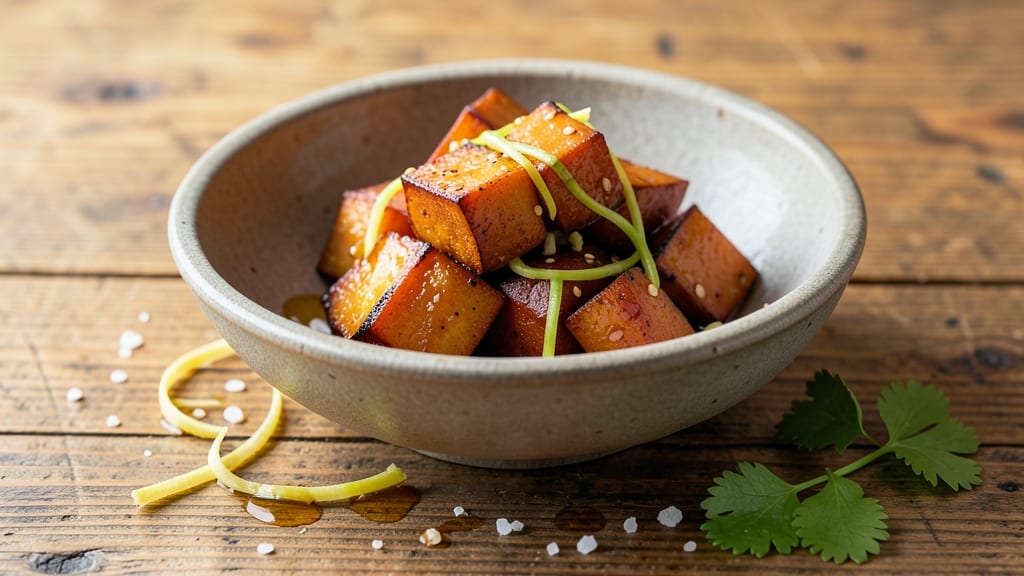
This Korean-style sweet potato banchan transforms humble sweet potatoes into crispy, golden cubes that add vibrant color and texture to any meal. The secret lies in a two-step process: boiling for tenderness and then pan-frying until perfectly crispy, creating a satisfying contrast that makes this dish irresistible.
I developed this recipe after discovering how Korean home cooks elevate simple vegetables into showstopping sides.
The beauty of this banchan is its simplicity—just sweet potatoes, a touch of salt, and a light coating of sesame oil for authentic flavor. This method delivers that signature crispy exterior while keeping the inside tender, a balance that's surprisingly difficult to achieve.
What makes it special is how it pairs with rice, grilled meats, or even as a standalone snack—its addictive crunch makes it disappear quickly.
By the time you're done, you'll have a batch of golden-brown sweet potato cubes that are crispy on the outside and tender inside, with just the right amount of savory-sweet flavor.
The aroma alone will have everyone asking what's for dinner. This is the kind of side dish that transforms ordinary meals into something special without requiring complicated techniques.
Perfect for meal prep, potlucks, or as a snackable side, these crispy cubes reheat beautifully while maintaining their texture. The recipe scales easily, making it ideal for feeding a crowd or enjoying as a light snack.
Let's get started on creating this authentic Korean banchan that's sure to become a staple in your kitchen.
Ingredients for sweet potato banchan
Just eight ingredients transform simple sweet potatoes into addictive Korean banchan.
| Ingredient | Amount | Notes |
|---|---|---|
| Large Sweet Potatoes 🍠 | 2 lbs | Organic preferred, peeled and cubed |
| Toasted Sesame Oil 🫒 | 2 tbsp | For authentic flavor, not cooking oil |
| Kosher Salt 🧂 | 1 ½ tsp | Diamond Crystal preferred for purity |
| Fresh Ginger 🌿 | 1 tbsp | Finely grated for aromatic depth |
| Minced Garlic 🧄 | 2 tsp | Freshly minced for vibrant flavor |
| Neutral Vegetable Oil 🫒 | ½ cup | For even frying, like canola or avocado |
| Toasted Sesame Seeds 🌾 | 1 tbsp | For garnish, lightly toasted |
| Rice Vinegar 🍶 | 1 tsp | For subtle tang, white vinegar works |
| Soy Sauce 🍶 | 1 tsp | Light soy preferred for balance |
| Toasted Sesame Seed Oil 🫒 | 1 tsp | For final drizzle, not cooking oil |
| Black Sesame Seeds 🌾 | 1 tsp | Optional for visual contrast |
Sweet potatoes are the star here—organic or heirloom varieties have richer flavor, but any firm sweet potato works. I always grab orange-fleshed ones from Trader Joe's because they're consistent, but Asian markets often carry the perfect ones labeled for Korean cooking. Peel them first (the skin can be tough), then cut into 1-inch cubes for even cooking. For extra crispiness, soak the cubes in cold water for 10 minutes before boiling to remove excess starch. The sesame oil? Toasted is non-negotiable—it adds that nutty depth you taste in authentic Korean dishes.
No sesame oil? Lightly toast regular sesame seeds and grind them into a paste with a pinch of salt as a substitute. Short on garlic? Asafoetida powder at half the amount gives a similar umami punch. The rice vinegar and soy sauce are optional but worth it—they create that perfect savory-sweet balance. For a spicier kick, add 1/4 tsp of gochugaru (Korean chili flakes) to the seasoning. And if you can't find black sesame seeds, toasted white sesame seeds work just as well—just skip the visual contrast. The vegetable oil should have a high smoke point (like avocado or canola) to prevent burning during frying.
These cubes reheat beautifully—just pop them in a 350°F oven for 5-7 minutes until crispy again. Store them in an airtight container for up to 4 days in the fridge, though they're best within 2 days for maximum crunch. For longer storage, freeze them raw (before frying) for up to 3 months, then fry straight from frozen. I always make a double batch because they disappear fast—perfect for meal prep or snacking. The secret to keeping them crispy? Reheat only once—they won't regain their crunch after a second round.
Why You'll Love This Recipe
- One-Pan Magic: I swear by this recipe when I’m too tired to scrub pots—just slice those sweet potatoes, toss them in sesame oil and salt, and roast until caramelized. The ginger and garlic mingle in the oven, so you don’t even need to stir.
- Umami Bomb: That toasted sesame oil? It’s the star. The moment the sweet potatoes hit the pan, the nutty aroma fills the kitchen, and the first bite delivers a perfect balance of crispy edges and creamy insides with a punch of garlic and ginger. Honestly, it’s the kind of flavor that makes you pause mid-bite.
- Weeknight Workhorse: This banchan plays well with everything—grilled meats, fried rice, even a simple bowl of noodles. I keep a batch in the fridge all week because it’s the ultimate side that doesn’t need a main event to shine. (Yes, even on a Tuesday night.)
- Budget-Friendly Flex: Sweet potatoes are cheap, and this recipe stretches them far. A single large one feeds two as a side, and leftovers reheat beautifully—just a quick toss in the oven to revive that crispy edge. Between us, it’s my go-to when I’m trying to make groceries last longer.
Step-by-step instructions for Korean-style crispy roasted sweet potatoes
Here's how to achieve that perfect balance of crispy edges and tender centers—just like in Korean banchan.
Prep and Parboil the Sweet Potatoes
Start by peeling the 2 lbs of large sweet potatoes and cutting them into 1-inch cubes. I like to use a mandoline for even-sized pieces, but a sharp knife works too. Place the cubes in a large pot and cover them with cold water by about 1 inch. Add the 1.5 tsp kosher salt and bring to a boil over medium-high heat.
Once boiling, reduce heat to medium and let them simmer for 5-6 minutes. You want them slightly softened but still holding their shape—when you pierce one with a knife, it should offer gentle resistance. Drain immediately in a colander and rinse with cold water to stop the cooking process. This parboiling step ensures they cook through evenly while developing that signature crispy exterior later.
Create the Seasoning Oil Mixture
In a small bowl, whisk together the 0.5 cup neutral vegetable oil, 2 tbsp toasted sesame oil, 1 tbsp freshly grated ginger, and 2 tsp minced garlic. I like to use a fork for this—it helps distribute the ginger and garlic evenly. The mixture should look like a pale golden emulsion. If you're using pre-minced garlic, make sure it's fresh and finely chopped for maximum flavor impact.
This seasoning oil carries the aromatic depth that makes this banchan so special. The toasted sesame oil adds that characteristic nutty flavor, while the fresh ginger and garlic provide the bright, zesty kick. Let this mixture sit at room temperature for 5 minutes while you prepare the next step—this gives the flavors time to meld slightly.
Toss and Roast for Perfect Texture
Preheat your oven to 425°F and line two baking sheets with parchment paper. Working in batches (don't overcrowd the pan!), toss the parboiled sweet potato cubes with the seasoning oil mixture until they're evenly coated. Spread them out in a single layer—this ensures maximum surface area for crisping. Roast for 20-25 minutes, flipping halfway through, until they're deep golden brown with crispy edges.
Here's where the magic happens: the high heat caramelizes the natural sugars in the sweet potatoes while the oil creates that beautiful crispy texture. You'll know they're ready when they release easily from the pan and have developed a glossy sheen. If you're worried about burning, pull them out when they're light golden and let them crisp up for another 5 minutes off the heat.
Finish with the Signature Seasoning
While the sweet potatoes are still hot, transfer them to a large bowl. In a small bowl, whisk together the 1 tsp rice vinegar, 1 tsp soy sauce, and 1 tsp toasted sesame seed oil. Pour this mixture over the hot sweet potatoes and toss gently to coat evenly. The acidity from the rice vinegar brightens the flavors while the soy sauce adds depth and umami.
Let them sit for 2-3 minutes—this allows the seasoning to penetrate slightly and creates a light glaze on the cubes. Then transfer to a serving platter and sprinkle with the 1 tbsp toasted sesame seeds and 1 tsp black sesame seeds. The contrast of colors and textures makes this dish visually stunning, and the black sesame adds a subtle nutty crunch that complements the crispy potatoes perfectly.
Serve Warm for Maximum Enjoyment
Serve these crispy sweet potato cubes immediately while they're still warm and crispy. The combination of textures—crispy exterior, tender interior, and nutty seeds—makes this banchan irresistible. They're perfect as a side dish for grilled meats, fried rice, or even as a snack on their own. The flavors continue to develop slightly as they cool, so don't wait too long to serve.
For an extra touch, you can drizzle a little more toasted sesame oil over the top just before serving. This adds another layer of flavor and makes the dish look even more inviting. Store any leftovers in an airtight container, but they're best enjoyed fresh while they're at their crispy peak.
Pro Tips For Making Sweet Potato Banchan
- CUT THICK, COOK UNIFORM: Sweet potatoes vary in size, and thin slices burn before they soften. Aim for ½-inch thick half-moons—thick enough to hold shape but thin enough to caramelize evenly. I learned this the hard way after serving a tray of mushy edges and crispy centers.
- PEEL AND REST: Don’t skip peeling the skin first—it’s tough and slows cooking. After peeling, slice and let them sit 10 minutes in a colander. This prevents them from releasing too much moisture when hitting the pan, which means fewer splatters and better browning.
- GINGER-GARLIC MIX FIRST: Sauté the garlic and ginger in toasted sesame oil for 30 seconds before adding the potatoes. This builds flavor depth—ginger’s sharpness mellows, and garlic doesn’t turn bitter. (Yes, even if you’re impatient like me, wait for that aroma to hit.)
- SALT IN LAYERS: Toss the potatoes with ½ the salt before cooking, then finish with the rest after they’re tender. The first layer helps draw out moisture for crispiness, while the second boosts flavor after the starch settles. (Your future self will notice the difference.)
Pro cooking tips for perfect results
Parboiling Perfection
The secret to crispy sweet potato banchan lies in the 5-6 minute parboil—this step prevents uneven cooking and ensures tender centers. I always use cold water and medium-high heat to maintain even temperature. The cubes should be just tender but still firm when pierced with a knife.
After draining, I give them a quick cold water rinse to halt cooking and remove excess starch. This step is non-negotiable for that signature Korean texture. 🍠
Oil Temperature Control
For the roasting step, I use 425°F oven heat but watch closely after 20 minutes. The cubes should be light golden before they turn dark brown. If they're browning too quickly, pull them out early—they'll crisp further off the heat.
I always spread them in a single layer on parchment-lined sheets to maximize crispiness. The high heat caramelizes the natural sugars while the oil creates that addictive crunch. 🔥
Seasoning Timing
The final seasoning with rice vinegar and soy sauce should happen while the cubes are still hot. This creates a light glaze that enhances flavor penetration. I like to let them sit for 2-3 minutes before serving to develop that glossy finish.
The contrast between the crispy exterior and tender interior is what makes this banchan so special. Pro tip: Use toasted sesame oil for the final drizzle—it adds that authentic nutty depth. ✨
Batch Size Matters
Never overcrowd your baking sheets! I work in two batches using two pans to ensure even crispiness. The cubes should have space to breathe and develop that perfect golden color.
If you're short on time, you can finish them under the broiler for 2-3 minutes at the end for extra crispiness. Just watch them like a hawk to prevent burning. 🌡️
Ginger-Garlic Boost
Freshly grated ginger and minced garlic make all the difference in this recipe. I always use a microplane for the ginger to get fine, aromatic strands. For garlic, I prefer freshly minced over pre-minced for maximum flavor.
Let the seasoning oil mixture sit for 5 minutes before using—this allows the flavors to meld slightly and enhances the overall taste. The aromatic compounds develop during this resting time. 🧄
Storage Secrets
These cubes reheat beautifully but lose some crunch. For best results, store them in an airtight container and reheat at 350°F for 5-7 minutes until crispy again.
I always make a double batch because they disappear fast—perfect for meal prep or snacking. The key is to reheat only once for maximum texture retention. 💫
Nutrition facts
Frequently asked questions
Why do I need to parboil the sweet potatoes first?
The 5-6 minute parboil is essential for creating that perfect Korean banchan texture. It ensures the cubes cook evenly through while developing a tender interior, so they don't stay raw inside during the crisping process. Skipping this step often results in uneven cooking or mushy centers. The cold water rinse after boiling removes excess starch, which helps create that signature crispy exterior later.
Can I make this recipe without sesame oil?
Yes! While sesame oil adds authentic flavor, you can substitute with 1 tbsp toasted sesame seeds ground into a paste mixed with 1 tsp neutral oil. For a different twist, try 1 tsp avocado oil plus 1/2 tsp toasted sesame seeds** throughout the recipe. Just note that the flavor profile will be slightly different, though still delicious. The key is achieving that crispy texture, which the oil helps with.
How do I prevent the sweet potatoes from burning?
Watch the oven closely after 20 minutes—pull them out when they're light golden, then let them crisp for 2-3 minutes off the heat. Use two baking sheets to avoid overcrowding, and spread cubes in a single layer. If they brown too quickly, reduce oven temperature to 400°F for the final 5 minutes. The cubes will continue crisping even after removal from the oven.
What's the best way to serve these crispy sweet potatoes?
These cubes are perfect as a banchan alongside Korean meals like bibimbap, bulgogi, or kimchi jjigae. For extra presentation, arrange them on a white plate with black sesame seeds sprinkled artistically. They also make a great snack or appetizer—just serve warm with extra sesame oil for dipping. The crispy texture pairs beautifully with steamed rice or grilled meats.
Can I use regular potatoes instead of sweet potatoes?
While you can use regular potatoes, sweet potatoes are ideal because their natural sugars caramelize beautifully during roasting, creating that perfect crispy texture. If you must substitute, use Yukon Gold potatoes (they're slightly sweeter than russets) and reduce the roasting time by 3-5 minutes. However, you'll miss the unique flavor and vibrant color that sweet potatoes bring to this Korean-style dish.