Side Dishes
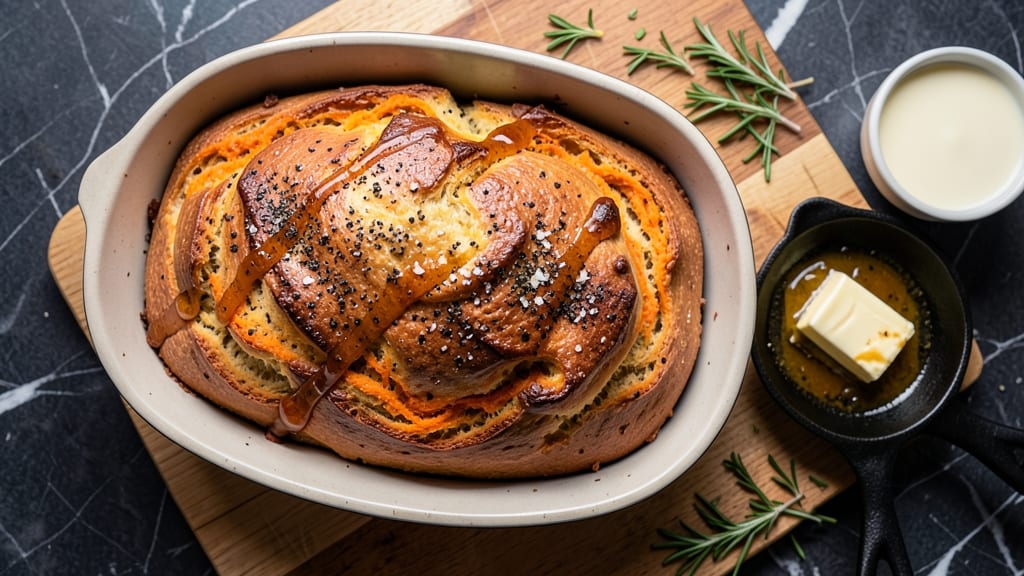
This sweet potato yeast bread recipe transforms humble ingredients into a moist, spiced loaf that smells like autumn in your kitchen. The secret lies in blending sweet potato purée with yeast dough—creating a tender crumb that stays soft for days.
I perfected this recipe after years of baking dense, dry sweet potato bread, and the difference is night-and-day.
What makes this bread special is the balance of sweetness and warmth from cinnamon and nutmeg, without overpowering the natural flavor of the sweet potato. The dough develops a perfectly moist texture thanks to the purée's natural moisture, while a touch of honey enhances the sweetness without needing extra sugar.
Most recipes either turn out too sweet or too dense—this one gets it just right.
By the time it emerges from the oven, you'll have a golden-brown loaf with a crisp crust and a tender interior that practically melts in your mouth. The aroma alone will have everyone gathering around the kitchen.
This bread is ideal for breakfast toast, sandwiches, or simply enjoyed warm with butter—it's the kind of homemade loaf that makes store-bought bread feel like a compromise.
For extra flavor, try adding chopped walnuts or pecans to the dough before baking, or a sprinkle of sea salt on top for a sweet-savory contrast. The possibilities are endless, but the base recipe delivers restaurant-quality results every time. Let's get started!
Ingredients for sweet potato bread recipe yeast
Sweet potatoes, flour, and yeast create this tender, spiced loaf with autumn warmth in every bite.
| Ingredient | Amount | Notes |
|---|---|---|
| Sweet Potatoes 🍠 | 1 ½ lb | Peeled and puréed smooth |
| All-Purpose Flour 🌾 | 4 cups | Spooning and leveling for accuracy |
| Active Dry Yeast 🍞 | 2 ¼ tsp | Ensure it's fresh and bloomed |
| Granulated Sugar 🍚 | ½ cup | For yeast activation |
| Honey 🍯 | ¼ cup | For natural sweetness |
| Unsalted Butter 🧈 | ½ cup | Softened to room temperature |
| Large Eggs 🥚 | 1 whole | Room temperature preferred |
| Milk 🥛 | ½ cup | Warm for best results |
| Ground Cinnamon 🌿 | 1 ½ tsp | Pure, aromatic variety |
| Ground Nutmeg 🌿 | ½ tsp | Freshly grated preferred |
| Salt 🧂 | 1 tsp | Kosher or sea salt |
| Vegetable Oil 🫒 | 2 tbsp | For greasing the pan |
Sweet potatoes are the heart of this bread. Organic or conventional works—just pick firm, vibrant ones with no soft spots. I prefer orange-fleshed varieties for their natural sweetness, but purple or white sweet potatoes add a unique twist. Roast or boil them first to make purée-making easier. For the yeast, Bob's Red Mill is my go-to brand—it blooms reliably. Store your flour in the freezer to preserve freshness, especially if you're not using it regularly. The butter should be cold but soft—press it with a finger to check. If it's too hard, let it sit at room temperature for 10 minutes.
No honey? Maple syrup or agave nectar work in a pinch, though honey's floral notes are ideal. Substituting milk? Oat milk or almond milk adds moisture, but you might need an extra tablespoon of flour to adjust texture. The cinnamon and nutmeg are non-negotiable for that cozy spice profile, but if you're out of one, pumpkin pie spice can cover both. For extra richness, swap half the milk for heavy cream. The dough should be soft but not sticky—add more flour if needed, but don't overdo it or the bread will turn dense. If you're adding nuts, toast them first for deeper flavor.
This bread keeps beautifully. Wrap it in a clean kitchen towel and store at room temperature for 2-3 days—the crust stays crisp, and the interior remains moist. For longer storage, slice and freeze portions between parchment paper. Reheat slices in a toaster or oven for 3-5 minutes at 350°F. The dough can be made a day ahead and refrigerated overnight—just let it rise again before baking. For extra flavor, brush the baked loaf with melted butter and sprinkle with flaky sea salt while still warm.
Why You'll Love This Recipe
- No Boil, No Peel: I’ll admit, I used to dread peeling sweet potatoes—until I realized I don’t have to. Just roast a couple of cubed sweet potatoes until soft, mash them right into the dough with the rest. The texture stays tender, and the natural sweetness blends perfectly with the honey and sugar.
- Sweet Without Guilt: Here’s what sold me—the way the honey and sugar caramelize just enough to give this bread a subtle, warm sweetness, but not cloying. It’s the kind of bread that pairs with butter or jam, but also holds up to savory breakfast meats or even a smear of cream cheese. (Yes, even on a Tuesday night.)
- Breakfast or Snack: Between us, this bread is my secret weapon for lazy mornings. Toast it for breakfast, pack slices for lunch, or serve it warm with a drizzle of honey for an after-school snack. The yeast gives it a light, airy crumb that’s way more exciting than store-bought.
- Pantry Staple Power: Honestly, I make this when I’m low on ingredients because it uses what I already have—flour, yeast, and a couple of sweet potatoes that might’ve gone bad otherwise. It keeps well for days, freezes beautifully, and stretches into multiple meals without breaking the bank.
Step-by-step instructions for sweet potato yeast bread
Here's how to create a tender, spiced loaf with perfect moisture and texture every time.
Prepare the Sweet Potato Purée
Preheat your oven to 400°F. Pierce the 1.5 lb sweet potatoes with a fork and microwave them for 8-10 minutes until fork-tender. The skins should feel soft when pressed, but the flesh should still offer slight resistance.
Transfer the potatoes to a baking sheet and roast for 15 minutes to enhance their natural sweetness. Once cool enough to handle, peel the potatoes and transfer them to a food processor. Purée until completely smooth, scraping down the sides as needed. You should have about 1½ cups of purée—this will form the moist, flavorful base of your bread.
Bloom the Yeast and Mix the Dough
In a large mixing bowl, combine the 0.5 cup warm milk (about 110°F), 0.5 cup granulated sugar, and 2.25 tsp active dry yeast. Let this mixture sit for 5-10 minutes until it becomes foamy and bubbly. This indicates the yeast is active and ready to work.
To the yeast mixture, add the 1½ cups sweet potato purée, 0.25 cup honey, 0.5 cup softened unsalted butter, and 1 whole large egg. Mix until fully combined, then gradually add the 4 cups all-purpose flour, 1.5 tsp ground cinnamon, 0.5 tsp ground nutmeg, and 1 tsp salt. Stir with a wooden spoon until a shaggy dough forms.
Knead the Dough for Structure
Turn the dough onto a lightly floured surface and knead for 8-10 minutes until smooth and elastic. You'll know it's ready when it springs back slowly when poked. If the dough feels too sticky, add 1 tablespoon flour at a time until it comes together without sticking to your hands.
Place the dough in a lightly greased bowl, cover with a damp towel, and let it rise in a warm place for 1-1½ hours, or until it has doubled in size. The dough should feel light and airy, with a slight jiggle when shaken gently. This rising step develops the gluten structure that gives your bread its chewy texture.
Shape and Proof the Loaf
Grease a 9x5-inch loaf pan with 2 tablespoons vegetable oil, coating the bottom and sides thoroughly. Punch down the risen dough and shape it into a rectangular loaf, tucking the edges neatly into the corners of the pan. Cover the pan with a damp towel and let it rise for another 30-45 minutes until it domes slightly above the pan.
Preheat your oven to 350°F while the dough proofs. The loaf should feel firm to the touch but still spring back slightly when pressed. This final proof ensures a light, airy crumb—critical for that moist texture you're aiming for.
Bake to Golden Perfection
Bake the loaf for 50-55 minutes until the top is golden brown and an instant-read thermometer inserted into the center reads 190-195°F. The bread should sound hollow when tapped on the bottom, indicating it's fully baked.
Remove the bread from the oven and let it cool in the pan for 10 minutes, then transfer it to a wire rack. This resting period allows the moisture to redistribute, preventing a gummy crumb. Once completely cooled, slice and serve—each piece should reveal a tender, moist interior with beautiful spice flecks throughout.
Pro Tips For Making Sweet Potato Bread Recipe Yeast
- STEAM THE POTATOES FIRST: Skip the raw sweet potato mash—steam or boil them until fork-tender (about 15-20 minutes). This makes them silky smooth and cuts down on gummy dough later. I learned this the hard way after wrestling with a lumpy batter that refused to rise properly.
- USE WARM HONEY, NOT COLD: Mix your honey into the yeast mixture when it’s still warm (105-110°F). Cold honey slows yeast activation, and you’ll end up waiting twice as long for that first rise. Just a splash of warm water or a quick microwave zap fixes it—no fuss.
- DON’T OVERMIX THE DOUGH: Once you fold in the sweet potato purée, stop mixing after 2-3 turns. Overworking the gluten tightens the crumb, and you’ll end up with a dense, chewy loaf instead of that light, airy texture. The dough should look shaggy, not smooth.
- LET THE YEAST PROOF AT ROOM TEMP: Place your yeast bowl in a warm spot (like the top of the fridge with the light on) for 5-10 minutes before mixing. This jumpstarts fermentation and ensures your dough rises reliably. Cold kitchens? Use a microwave-safe bowl with 10 seconds of warm water to nudge it along.
Troubleshooting this dish
Dense Dough Solution
If your dough feels too thick or refuses to rise, you likely added too much flour. Start over with ½ cup less flour and knead for an extra 2 minutes—this develops gluten and improves elasticity.
The sweet potato purée already adds moisture, so resist the urge to compensate with extra flour. If using whole wheat flour, reduce by ¼ cup since it absorbs more liquid. 💡
Yeast Failures
Cold milk or expired yeast can kill your rise. Always use warm milk (110°F) and test yeast freshness by blooming it in ¼ cup warm water + 1 tsp sugar—it should bubble in 5-10 minutes.
If no activity, toss the yeast and start fresh. For stubborn dough, try 1 extra tsp yeast or let it rise in a slightly warmer spot (75-80°F) for 15 minutes before moving to a cooler area. ⏰
Gummy Crumb Fix
Over-baking or under-proofing causes gummy bread. Check your internal temp—190-195°F is perfect. If the loaf feels dense, let it cool 15 minutes longer in the pan before transferring.
For next time, proof the dough 10 minutes longer—it should jiggle slightly when shaken. A toothpick test (clean insertion = done) works better than visual cues. 🍞
Cracked Top Prevention
Rapid oven heat causes cracks. Preheat your oven 10 minutes longer and place a tray of water on the lower rack to add moisture. Brush the loaf with egg wash before baking for a smoother crust.
If cracks appear, don’t panic—they won’t affect flavor! For extra insurance, score the top lightly with a razor before baking. ✨
Flat Loaf Troubles
Under-proofed dough collapses during baking. Let it rise until it doubles in size and feels springy when pressed. If your kitchen is cool, use a proofing box (or turn on your oven light) to maintain 75-80°F.
For stubborn cases, shape the dough into a taller loaf—this gives it more volume to expand. A light dusting of flour on the pan helps too. 🔥
Sweet Potato Purée Issues
Lumpy purée means uneven texture. Blend until completely smooth, scraping sides as needed. If purée is too watery, simmer it in a saucepan for 3-5 minutes to thicken.
For extra flavor, roast potatoes 20 minutes longer to concentrate sweetness. If purée tastes bland, add ½ tsp vanilla extract or ¼ tsp cinnamon to the dough. 🍠
Nutrition facts
Frequently asked questions
Why does my sweet potato bread turn out dense instead of moist?
The key is balancing the sweet potato purée with proper kneading and proofing. Too much flour makes the dough tough, while under-proofing prevents a light crumb. Always knead for 8-10 minutes until elastic, and let the dough rise until it doubles in size—this develops the gluten structure needed for that tender texture. The purée alone adds moisture, so resist adding extra liquid.
Can I substitute mashed sweet potatoes for purée?
Mashed sweet potatoes work in a pinch, but they won't give you the same smooth texture. For best results, always use purée—it blends seamlessly with the dough and prevents lumps. If you're short on time, microwave the mashed potatoes for 2 minutes to break down the starches slightly before mixing. The bread will still be delicious, just with a slightly coarser crumb.
How do I know when the yeast is active before mixing?
Test your yeast by mixing 2.25 tsp yeast with ¼ cup warm water (110°F) and 1 tsp sugar. It should foam and bubble within 5-10 minutes. If nothing happens after 15 minutes, your yeast is dead—replace it and try again. Using expired yeast is the #1 reason for flat, dense bread. Always check the expiration date on the package!
What’s the best way to store or reheat sweet potato bread?
Wrap the cooled loaf in a clean kitchen towel and store at room temperature for 2-3 days—it stays moist this way. For longer storage, slice and freeze portions between parchment paper. To reheat, toast slices for 2-3 minutes or warm in a 350°F oven for 5-7 minutes
Can I add nuts or chocolate chips to this recipe?
Fold in ½ cup chopped walnuts or pecans during the final kneading for extra crunch, or add ½ cup mini chocolate chips for a sweet twist. Just be sure to toast nuts first for deeper flavor. For a spiced version, sprinkle ¼ tsp cardamom into the dough alongside the cinnamon. The bread’s structure can handle these additions without falling apart.