Side Dishes
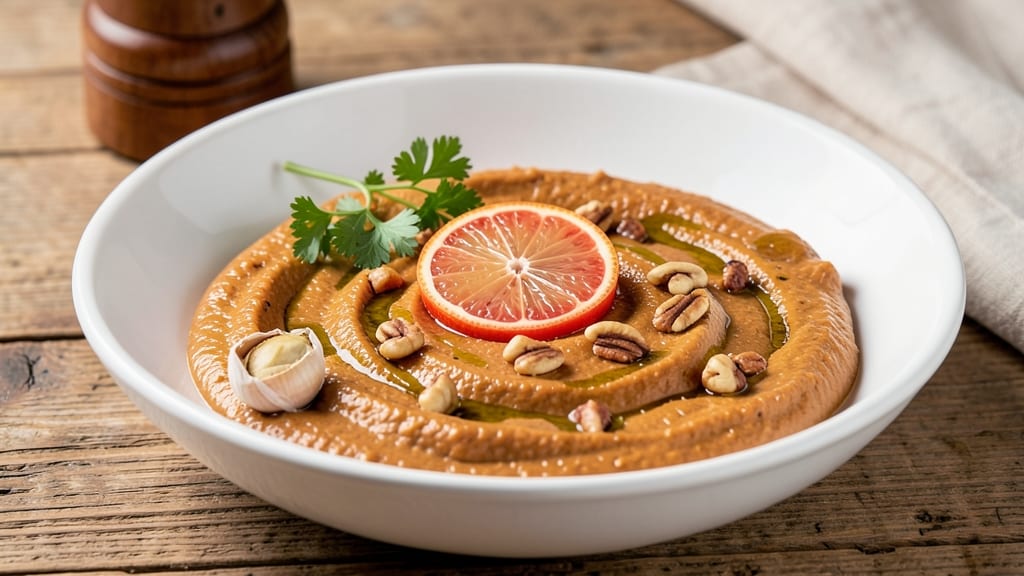
This sweet potato hummus recipe without tahini delivers the same creamy, nutty depth as classic versions—but with a naturally sweet, roasted intensity that eliminates any bitter aftertaste. The key lies in blending cooked sweet potatoes with aquafaba and olive oil, creating a velvety texture without relying on tahini.
I developed this after realizing how often tahini's strong flavor overpowered other ingredients, especially in dishes where subtlety mattered most.
The secret to achieving that signature hummus creaminess without tahini is a combination of properly cooked sweet potatoes and aquafaba (chickpea brine), which acts as a natural binder. Roasting the sweet potatoes first intensifies their natural sweetness and adds a caramelized depth that traditional hummus lacks.
This version also incorporates a touch of garlic and lemon to brighten the earthy sweetness, ensuring every spoonful is balanced and vibrant.
What you'll end up with is a hummus that's naturally sweet yet complex, with a smooth, almost buttery texture that pairs beautifully with both savory and sweet dishes. It's perfect for dipping, spreading, or even as a base for veggie bowls—without the lingering bitterness that often comes from tahini-heavy recipes.
The best part? It keeps well in the fridge for up to five days, making it an ideal make-ahead condiment.
For those watching their oil intake, you can reduce the olive oil slightly without sacrificing creaminess, though the texture will be just a touch lighter. If you prefer a nuttier profile, a small amount of almond butter can be blended in—but the sweet potato already delivers that depth naturally.
This hummus proves that tahini isn't the only path to creamy perfection.
Ingredients for sweet potato hummus recipe without tahini
Roasted sweet potatoes and chickpea magic—no tahini, no bitterness, just rich flavor.
| Ingredient | Amount | Notes |
|---|---|---|
| Sweet Potatoes 🍠 | 2 large | Roasted until tender, peeled |
| Canned Chickpeas 🥜 | 1 can | Drained, rinsed, brine reserved |
| Aquafaba 💧 | ¼ cup | From chickpea brine, whisked |
| Extra-Virgin Olive Oil 🫒 | ½ cup | High quality, fruity |
| Garlic Cloves 🧄 | 3 cloves | Peeled, rough chopped |
| Lemon Juice 🍋 | 2 tbsp | Freshly squeezed |
| Ground Cumin 🌿 | ½ tsp | Toasted for depth |
| Sea Salt 🧂 | ½ tsp | Fine grain preferred |
| Maple Syrup 🍯 | 1 tbsp | For natural sweetness |
| Almond Butter 🥜 | 1 tbsp | Optional for nuttier profile |
Sweet potatoes are the star here. Organic sweet potatoes from the grocery store's produce section work best—their natural sweetness caramelizes beautifully when roasted. Look for ones that feel heavy for their size (that's how you know they're juicy). I usually grab the orange-fleshed variety at Whole Foods or Trader Joe's—they've got the best flavor consistency. Roast them until fork-tender; that's when they'll blend into a velvety texture. The aquafaba? Save that chickpea brine—it's the secret to that signature hummus creaminess without tahini. If you can't find it, just use the liquid from your canned chickpeas, but whisk it first to get those air bubbles going.
No aquafaba? Silken tofu blended with a splash of water works in a pinch, though the texture won't be quite as light. Want to skip the maple syrup? Date syrup or agave keeps it vegan while adding sweetness. The almond butter is totally optional, but if you're craving that classic tahini nuttiness, it's a great swap—just add it at the end. For extra depth, toast the cumin seeds in a dry pan for 30 seconds before grinding them. That smoky aroma takes this hummus to the next level. And if you're watching your oil intake, you can reduce the olive oil by 1 tbsp without sacrificing much creaminess—though it'll be just a touch lighter in texture.
This hummus keeps beautifully—5 days in the fridge, covered with a thin layer of olive oil to preserve freshness. For longer storage, portion into ice cube trays and freeze; thaw overnight in the fridge. The roasted sweet potatoes actually taste better the next day as the flavors meld. I make a double batch because it disappears fast—perfect for dipping, spreading on toast, or even as a base for veggie bowls. Pro tip: if it gets too thick after refrigeration, just add a splash of water or lemon juice and blend again. Works like a charm.
Why You'll Love This Recipe
- No Tahini, No Problem: I’ll be real—this swap works better than the original. Roasted sweet potatoes add natural sweetness, while aquafaba (yes, chickpea water) keeps it creamy without the nutty aftertaste. The olive oil ties it all together like a hug from a foodie.
- One-Pot Magic: Honestly? I throw everything into the food processor—raw sweet potato, chickpeas, garlic, and a splash of aquafaba—and let it do the work. No straining, no extra bowls, just blend until it’s smooth enough to make me forget I’m being lazy.
- Dip or Spread: This hummus is the ultimate crowd-pleaser. Slather it on toast with chili flakes, scoop it with pita, or use it as a sandwich glue. (Yes, even on a Tuesday night when I’m too tired to care about "proper" dips.)
- Pantry Goldmine: Between us, this recipe costs half of what store-bought hummus does. Sweet potatoes are cheap, chickpeas are cheap, and aquafaba? Free if you’re already cooking beans. Plus, it keeps for days—perfect for when I forget to meal prep and end up ordering takeout.
Step-by-step instructions for sweet potato hummus
Here's how to make this rich, nutty hummus without tahini—just roasted sweet potatoes and simple pantry staples.
Roast the Sweet Potatoes Until Ultra-Tender
Preheat your oven to 400°F. Pierce the 2 large sweet potatoes with a fork in several places, then place them directly on the oven rack. Roast for 45-50 minutes until completely tender—you should be able to pierce them easily with a fork. The skin will be crispy and caramelized, which adds amazing texture to the hummus.
Let the sweet potatoes cool for 10 minutes before peeling them. I like to use a paring knife to carefully remove the skin, leaving the tender flesh intact. This roasting step is crucial—it develops deep, caramelized flavors that make this hummus taste nothing like traditional versions.
Toast the Chickpeas and Garlic for Depth
While the sweet potatoes roast, drain and rinse the 1 can chickpeas, reserving ½ cup of the brine. In a dry skillet over medium heat, add the chickpeas and 3 cloves rough chopped garlic. Toast them for 5-7 minutes, shaking the pan occasionally, until the chickpeas are golden brown and fragrant. This step creates incredible nuttiness and removes any canned taste.
Transfer the toasted chickpeas and garlic to a food processor. The residual heat will help break them down more easily when we blend. I always add the garlic at this stage so it gets properly infused into the hummus rather than just adding a raw garlic flavor.
Blend the Base Ingredients Until Silky
Add the peeled sweet potatoes, 0.25 cup aquafaba, 0.5 cup extra-virgin olive oil, 2 tbsp lemon juice, 0.5 tsp ground cumin, 0.5 tsp sea salt, and 1 tbsp maple syrup to the food processor with the chickpeas. Process on high for 2-3 minutes, stopping to scrape down the sides as needed, until completely smooth and creamy.
Here's the thing—this blend needs to be perfectly smooth. If you see any texture remaining, keep blending. The aquafaba acts as a natural binder, replacing tahini while keeping the hummus light and airy. I like to taste at this point to adjust seasoning—sometimes I need a bit more salt or lemon to balance the sweetness.
Finish with Almond Butter for Richness
With the processor running, slowly drizzle in the 1 tbsp almond butter through the feed tube. This adds a beautiful nutty depth that complements the sweet potatoes perfectly. Process for another 30 seconds to fully incorporate, then add 2-3 tablespoons of the reserved chickpea brine at a time until you reach your desired consistency.
The almond butter is optional but makes a huge difference—it gives this hummus that restaurant-quality richness without any tahini. If you prefer a smoother texture, add more brine. For a thicker hummus, reduce the amount slightly. The blend should be thick enough to hold its shape but still spreadable.
Chill and Serve for Perfect Texture
Transfer the hummus to a serving bowl and smooth the top with a spatula. Cover with plastic wrap pressed directly onto the surface to prevent a skin from forming. Refrigerate for at least 1 hour before serving—this allows all the flavors to meld together and the texture to firm up beautifully.
When ready to serve, give it a good stir and taste. The sweet potatoes should shine through with their natural caramelized sweetness, balanced by the tangy lemon and earthy cumin. This hummus tastes even better the next day as the flavors deepen. Serve with warm pita, fresh veggies, or as a dip for your favorite crackers.
Pro Tips For Making Sweet Potato Hummus Recipe Without Tahini
- ROAST THE SWEET POTATO: DESCRIPTION:
- DRAIN AND RINSE CHICKPEAS: DESCRIPTION:
- ROAST GARLIC FIRST: DESCRIPTION:
- BLEND IN STAGES: DESCRIPTION:
Storing and reheating this recipe
Fridge Storage Secrets
Store your sweet potato hummus in an airtight container with a layer of extra-virgin olive oil pressed on top—this preserves freshness and prevents oxidation for up to 5 days. I use glass containers with snap lids from Weck because they seal tightly and don't absorb flavors.
The hummus actually improves overnight as the roasted sweet potato flavors meld with the spices. 🥫
Freezer Prep Tips
For longer storage, portion hummus into ice cube trays and freeze. Once solid, transfer cubes to a freezer bag with all air squeezed out. Thaw overnight in the fridge—this maintains texture better than microwave reheating.
The aquafaba helps prevent graininess during freezing, but expect a slightly softer texture after thawing. Perfect for meal prep! ❄️
Reheating Methods
For best results, reheat hummus in a small saucepan over low heat, stirring constantly with a silicone spatula. Add 1-2 tbsp water if it thickens too much during warming.
Never microwave—it creates a rubbery texture. I like to serve reheated hummus with warm pita chips or as a sandwich spread. The flavors stay vibrant this way. 🔥
Texture Rescue
If hummus thickens after refrigeration, simply add 1 tsp lemon juice or chickpea brine and blend briefly with an immersion blender. For extra creaminess, stir in 1 tbsp olive oil.
The almond butter helps maintain richness even after storage. Always taste before serving—adjust salt or maple syrup if needed. 💡
Serving Suggestions
Serve chilled hummus with warm naan, crudité, or as a topping for grain bowls. The roasted sweet potato notes shine when paired with smoky paprika or fresh cilantro.
For a dessert twist, drizzle with honey and sprinkle with toasted pecans. The versatility makes it perfect for any meal. ✨
Nutrition facts
Frequently asked questions
Why does this sweet potato hummus taste sweeter than traditional hummus?
The roasted sweet potatoes bring natural caramelization that traditional hummus lacks. The maple syrup enhances this sweetness while keeping it balanced with tangy lemon and earthy cumin. This version actually tastes like dessert when paired with savory elements!
Can I make this without aquafaba?
Yes! Use ¼ cup silken tofu blended with 1 tbsp water as a substitute, though the texture will be slightly denser. For a tahini-free alternative, 1 tbsp cashew butter also works well—just blend it in at the end. The key is maintaining moisture for that creamy consistency.
How do I adjust the consistency if it's too thick after refrigeration?
Add 1 tsp lemon juice or chickpea brine and blend briefly with an immersion blender. For extra creaminess, stir in 1 tbsp olive oil. The almond butter helps maintain richness even after storage. Always taste before serving—you might need a pinch more salt or maple syrup too!
What's the best way to use up extra hummus?
Spread it on toast with avocado, use as a sandwich filling, or freeze in ice cube trays for later. The roasted sweet potato flavor works surprisingly well in smoothies (yes, really!) or as a glaze for roasted veggies. Don't let it go to waste!
Can I make this with regular potatoes instead?
Not recommended! Sweet potatoes provide the natural sweetness and creamy texture that regular potatoes can't match. The starch content in white potatoes would make this hummus gluey rather than smooth. Stick with sweet potatoes for that perfect balance of sweetness and creaminess!