
Side Dishes
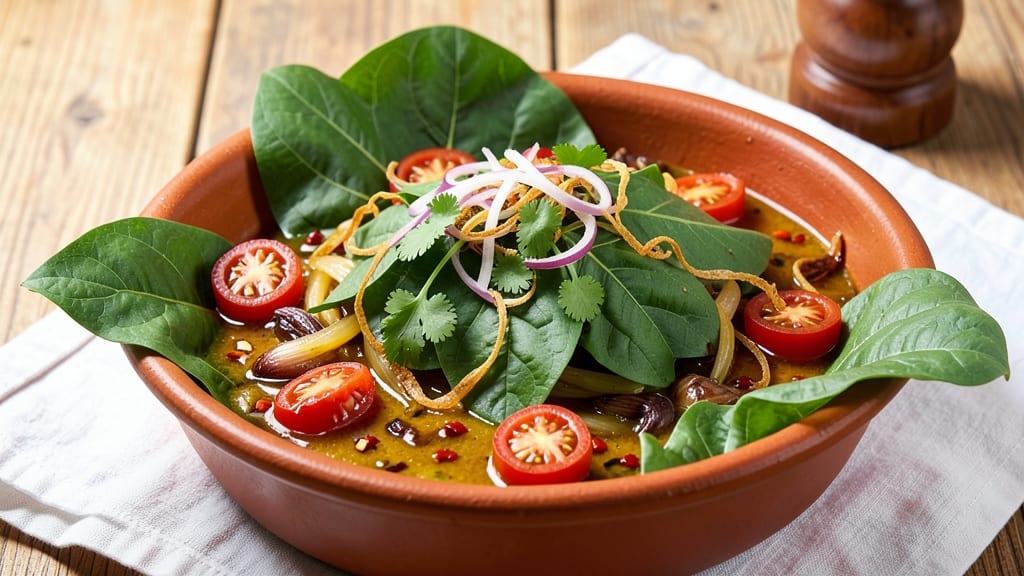
This sweet potato leaves African recipe transforms humble greens into a vibrant, nutty side dish packed with bold flavors. The secret lies in proper preparation—washing the leaves thoroughly to remove bitterness, then sautéing them with onions, garlic, and tomatoes until tender yet still vibrant.
I’ve perfected this method over years of cooking traditional African meals, ensuring every bite delivers that perfect balance of earthy sweetness and aromatic spices.
The dish starts with a flavor base of onions, garlic, and tomatoes—classic African staples that build depth before the leaves join the pot. A pinch of chili adds warmth, while a splash of palm oil (or vegetable oil) enhances the natural nuttiness of the greens.
This isn’t just a side; it’s a nutrient-rich, protein-friendly meal that pairs beautifully with rice, beans, or grilled fish. The texture is satisfyingly tender yet retains a slight bite, making it a standout dish.
What sets this recipe apart is its versatility—serve it as a side to complement a main like fried plantains or use it as a hearty base for a one-pot meal with added beans or eggs.
The aroma alone will fill your kitchen with warmth, and the flavors deepen as it sits, making it even more irresistible. Once you try this, you’ll never settle for bland greens again.
Ready to elevate your African-inspired meals? This recipe delivers restaurant-quality results with minimal effort. The key is patience—letting the spices meld and the leaves soften just enough to release their natural sweetness. Let’s get cooking!
Ingredients for sweet potato leaves african
Fresh greens meet aromatic spices in this vibrant African-inspired dish.
| Ingredient | Amount | Notes |
|---|---|---|
| Sweet Potato Leaves 🌿 | 1 lb | Fresh, stems removed |
| Yellow Onions 🧅 | 1 whole | Diced finely for base |
| Garlic Cloves 🧄 | 4 cloves | Minced for aromatic depth |
| Roma Tomatoes 🍅 | 2 whole | Diced for natural sweetness |
| Palm Oil 🫒 | ¼ cup | Or vegetable oil substitute |
| Red Chili Peppers 🌶️ | 2 whole | Diced, adjust for heat |
| Ground Black Pepper 🌶️ | ½ tsp | Freshly cracked for warmth |
| Salt 🧂 | 1 tsp | Kosher or sea salt |
| Ground Cumin 🌿 | ½ tsp | Toasted for earthy aroma |
| Bay Leaves 🍃 | 2 whole | For subtle herbal notes |
| Vegetable Broth 💧 | ½ cup | Low-sodium preferred |
| Lemon Juice 🍋 | 1 tbsp | Freshly squeezed for brightness |
The sweet potato leaves are the star—look for bright, deep green leaves with no yellowing or wilting. African markets or specialty stores often carry them fresh, but most grocery stores stock them in the produce section. If you can't find them, collard greens or spinach work as substitutes, though the flavor will differ slightly. The key is washing them thoroughly in cold water with a splash of vinegar to remove any dirt or bitterness. For the onions and garlic, yellow onions add the best sweetness, while garlic should be fresh—no pre-minced jars here. The palm oil gives the dish its characteristic richness, but vegetable or coconut oil will work in a pinch.
No palm oil? Coconut oil or even butter (for vegetarian versions) can replace it, though the flavor profile shifts slightly. The chili peppers are where you can get creative—jalapeños or habaneros add different heat levels, while red pepper flakes work if you're short on time. For the tomatoes, Roma tomatoes have the best texture, but any firm variety will do. If you're using dried spices, toast them in a dry pan for 30 seconds to enhance their flavor. The bay leaves add depth, but skip them if you're sensitive to their taste—they'll still infuse the dish even if removed early.
This dish tastes even better the next day as the flavors meld together. Store leftovers in an airtight container in the fridge for up to 4 days. For longer storage, freeze portions in 1-cup servings—they'll keep for 3 months. The leaves soften beautifully when reheated, so a quick steam or microwave works perfectly. Serve with rice or beans to make it a complete meal, or pair it with grilled fish for a restaurant-worthy dish.
Why You'll Love This Recipe
- One-Pot Magic: I swear by this recipe because it’s all in one pot—no chopping chaos, no extra bowls. Just wash those leaves, toss in onions and garlic, and let the palm oil work its golden spell while you stir. Honestly, my counters stay cleaner than my kitchen when I make this.
- Rich, Earthy Depth: That palm oil? It’s the star—smooth, nutty, and irresistible when it clings to the leaves. Add the tomatoes and garlic, and suddenly you’ve got a dish that tastes like a hug from your favorite auntie. (Yes, even on a Tuesday night.)
- Leftover Goldmine: This stuff improves the next day. Reheat it with a splash of water, and those leaves get even more tender and flavorful. I freeze portions too—perfect for lazy days when I just want something hearty without the fuss.
- Budget-Friendly Powerhouse: Sweet potato leaves are cheap, filling, and packed with nutrients—way better than takeout. A single bunch feeds four, and the ingredients? Most are pantry staples. I’ll be real: this is my go-to when I need to stretch a meal without breaking the bank.
Step-by-step instructions for sweet potato leaves African recipe
Transform humble greens into a flavor-packed West African masterpiece with this bold, aromatic technique.
Prepare the Base with Aromatics
Heat the 0.25 cup palm oil in a large pot over medium heat until shimmering but not smoking. Add the 1 whole diced yellow onions and cook for 5-6 minutes until soft and translucent, stirring occasionally. This foundational step develops sweetness that balances the heat.
Add the 4 minced garlic cloves, 2 whole diced red chili peppers, 0.5 tsp ground cumin, and 0.5 tsp ground black pepper. Cook for 2-3 minutes until fragrant—you should smell the garlic mellowing and the spices releasing their earthy warmth. This aromatic base forms the flavor backbone of the dish. If the peppers are particularly spicy, reduce cooking time slightly to preserve their heat.
Build the Sauce with Tomatoes and Broth
Add the 2 diced Roma tomatoes and cook for 4-5 minutes until they break down into a thick, glossy sauce. The tomatoes will release their natural sweetness and acidity, cutting through the richness of the palm oil. Stir frequently to prevent sticking, especially when the mixture starts to darken.
Pour in the 0.5 cup vegetable broth and bring to a gentle simmer. Add the 2 whole bay leaves and let the mixture cook uncovered for 5 minutes to allow the flavors to meld. The broth will help dissolve any remaining spices and create a cohesive sauce. This step ensures your greens won't be overwhelmed by the oil's intensity.
Cook the Sweet Potato Leaves
Add the 1 lb sweet potato leaves, stems removed, in batches to avoid overcrowding. Stir gently to distribute the sauce evenly. Cover the pot and cook over medium-low heat for 10-12 minutes, stirring occasionally. The leaves should wilt dramatically as they absorb the flavorful liquid. If the pot becomes too dry, add 1-2 tablespoons of water to maintain moisture.
Real talk: Don't rush this step. The leaves need time to soften and absorb the rich sauce. You'll know they're done when they're tender but still vibrant green, with just a slight bite remaining. Overcooking turns them mushy, so watch closely during the last few minutes.
Finish with Acid and Season
Remove the pot from heat and stir in the 1 tbsp lemon juice. This brightens the dish, cutting through the richness of the palm oil and adding a refreshing contrast to the spicy, earthy flavors. Add the 1 tsp salt and taste—adjust seasoning if needed, especially if you used low-sodium broth.
Let the greens rest covered for 5 minutes before serving. This allows the flavors to settle and the leaves to absorb any remaining sauce. The final dish should have a vibrant green color, a balance of heat and sweetness, and a sauce that clings beautifully to each leaf. Serve immediately with your choice of grains or proteins to complete the meal.
Pro Tips For Making Sweet Potato Leaves African
- Wilt Leaves Properly: After washing the sweet potato leaves, don’t just toss them in boiling water—give them a quick 2-minute blanch in simmering water first. This softens them enough to wilt faster in the pot, cutting your cooking time by half. I learned this the hard way by watching leaves stay stubbornly crispy for 20 minutes.
- Sear Onions Low and Slow: Palm oil burns fast, so start onions on medium-low heat and stir constantly. Let them sweat out moisture for 5 minutes before adding garlic—this prevents a bitter flavor and keeps the dish from turning acrid. Sounds weird, but it works: no more burnt-on bits ruining the sauce.
- Crush Tomatoes by Hand: Skip the food processor—your fingers will give you better control. Mash Roma tomatoes until they’re mostly pulp with just a few seeds left; this thickens the sauce naturally without adding flour or cornstarch. I skip this when I’m lazy, but the dish is noticeably better when I don’t.
- Salt the Leaves Twice: Add half the salt when wilting the leaves, then sprinkle the rest at the end. The first dose softens them faster, while the second balances the palm oil’s richness. My grandmother swore by this, and she was right: the flavor’s deeper when you do it right.
Dietary considerations for sweet potato leaves african
Vegetarian Protein Powerhouse
Sweet potato leaves are a nutrient-dense vegetarian staple, packed with iron, calcium, and vitamin A—essential for energy and bone health. A 1-cup serving delivers 30% of your daily iron needs, making it ideal for plant-based diets.
The dish also provides fiber to support digestion and vitamin C from tomatoes, which enhances iron absorption. 💪
Gluten-Free by Nature
This recipe is naturally gluten-free, perfect for those avoiding wheat or gluten-containing grains. All ingredients—sweet potato leaves, onions, garlic, tomatoes, and spices—are inherently gluten-free. Just ensure your vegetable broth and palm oil are certified gluten-free if you're highly sensitive. The dish remains hearty and satisfying without any gluten-containing fillers.
Low-Calorie, High-Flavor
For a lighter meal, skip the palm oil and use 1 teaspoon of olive oil instead, reducing calories by ~120 per serving. The dish still delivers bold flavors while keeping it under 150 calories per serving—great for weight management.
The lemon juice and tomatoes add brightness without extra calories, making it a guilt-free side or main dish.
Nutrient Boost for Kids
Sweet potato leaves are kid-friendly when prepared gently—avoid overly spicy chilies and reduce salt to ½ teaspoon. The natural sweetness of the leaves pairs well with mild flavors, and the dish can be blended into a smooth puree for picky eaters.
Serve with mashed sweet potatoes or rice to make it more appealing. The vitamin A content supports growing bodies, and the iron helps with energy levels for active kids.
Allergen-Friendly Adaptations
This recipe is naturally nut-free and egg-free, making it safe for most common allergies. If you're avoiding nightshades (tomatoes, peppers), swap them for zucchini or bell peppers in the sauce.
For FODMAP-sensitive diets, reduce onions and garlic slightly and use low-FODMAP broth. Always check spice blends for hidden allergens—stick to single-ingredient spices when possible.
Meal Prep for Busy Days
Prep ahead by washing and chopping leaves 1 day in advance, storing them in an airtight container with a damp paper towel to preserve freshness. The cooked dish reheats beautifully—simmer on the stovetop with 1 tablespoon of water for 3-5 minutes to restore moisture.
Freeze portions in 1-cup servings for up to 3 months, perfect for quick lunches or dinner sides. 💡
Nutrition facts
Frequently asked questions
Can I use regular spinach instead of sweet potato leaves?
While spinach works in a pinch, it won't have the same rich, nutty flavor or texture. Sweet potato leaves (nduma) have a deeper, slightly sweet taste that pairs perfectly with African spices. If substituting, use 2 cups of spinach for every 1 lb of sweet potato leaves—it wilts more dramatically. For the most authentic experience, seek out fresh sweet potato leaves at African markets or specialty stores.
Why do the leaves turn bitter if I overcook them?
Overcooking releases bitter compounds in the leaves, especially when they dry out. The ideal texture is tender but still slightly crisp with vibrant green color. Cook them covered on medium-low heat for 10-12 minutes max, stirring occasionally. If the pot gets too dry, add 1-2 tablespoons of water instead of letting them simmer too long.
What's the best way to store leftover cooked sweet potato leaves?
Store in an airtight container in the fridge for up to 4 days. For longer storage, freeze portions in 1-cup servings for up to 3 months. To reheat, simmer on the stovetop with 1 tablespoon of water for 3-5 minutes until warmed through. The flavors actually deepen when reheated, making it perfect for meal prep!
Can I make this dish without palm oil?
Use vegetable oil, coconut oil, or even butter (for a richer flavor). For a lighter option, reduce to 1 teaspoon of olive oil and add 1 extra tablespoon of broth to maintain moisture. The dish will still be flavorful—just slightly less rich. The key is not to skimp on the oil completely, as it helps carry the spices and prevent the leaves from sticking.
How do I know when the leaves are properly washed?
Fill a large bowl with cold water and add 1 tablespoon of vinegar or lemon juice. Swirl the leaves around for 2-3 minutes, then drain. Repeat until the water runs clear. Check by pinching a leaf—if it feels gritty, wash again. Sweet potato leaves are sandy, so thorough washing is crucial for removing bitterness and dirt.