
Side Dishes
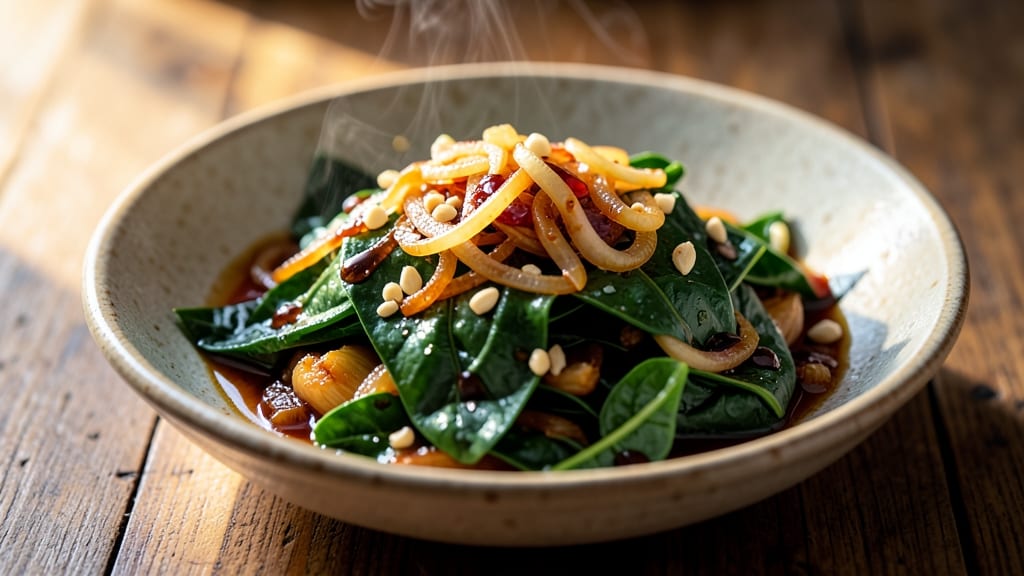
This Filipino sweet potato leaves recipe transforms humble gabo into a vibrant, aromatic side dish that pairs perfectly with rice and grilled meats. The secret lies in balancing earthy sweet potato flavors with crispy garlic and a touch of spice, creating a dish that feels both nostalgic and refined.
Unlike many greens that wilt quickly, these leaves maintain their texture while absorbing rich, savory notes.
The process begins with thorough washing to remove any grit, followed by a quick sauté in garlic-infused oil until just tender. A splash of vinegar or calamansi brightens the dish, while chili flakes add depth—just enough to tease without overpowering.
The result is a side that’s simple yet deeply satisfying, with a crispy garlic edge that adds texture to every bite.
What makes this recipe special is its versatility—serve it alongside sinigang, adobo, or even as a topping for kare-kare. The natural sweetness of the leaves complements the umami-rich flavors of Filipino cuisine, making it a staple for any home-cooked meal.
Ready in under 30 minutes, it’s the perfect way to elevate a simple plate.
For an extra touch of Filipino flair, finish with a sprinkle of toasted garlic or a drizzle of patis (fish sauce). This dish isn’t just about the leaves—it’s about the harmony of flavors that define home cooking. Let’s bring this classic to your table.
Ingredients for sweet potato leaves recipe filipino
Earthy sweet potato leaves meet crispy garlic and savory Filipino flavors in this quick, vibrant side.
| Ingredient | Amount | Notes |
|---|---|---|
| Sweet Potato Leaves (Gabo) 🍠 | 10 oz | Fresh, stems removed |
| Yellow Onion 🧅 | ½ whole | Thinly sliced for aroma |
| Garlic Cloves 🧄 | 6 cloves | Minced for crispy texture |
| Vegetable Oil 🫒 | 2 tbsp | High smoke point preferred |
| Calamansi or Lemon Juice 🍋 | 1 tbsp | Freshly squeezed for brightness |
| Fish Sauce (Patis) 🍶 | 1 tbsp | Traditional Filipino flavor |
| Chili Flakes 🌶️ | ½ tsp | Adjust for heat preference |
| Salt 🧂 | ½ tsp | Kosher or sea salt |
| Soy Sauce 🥢 | 1 tbsp | For umami depth |
| Sugar 🍚 | 1 tsp | Balances flavors |
| Toasted Garlic 🧄 | 1 tbsp | For garnish, optional |
The sweet potato leaves are the star—look for fresh, bright green bunches at Asian markets or well-stocked grocery stores. If you can't find gabo, amaranth leaves or spinach work in a pinch, though the texture will differ slightly. The garlic matters here too: toast it whole in the oil first for that signature crispy edge. For patis, Red Boat or Tiparito brands are widely available and authentic. If you're using calamansi, it's worth the hunt—its tartness brightens the dish more than lemon, but regular lemon juice works if you're short on time.
No fish sauce? Soy sauce plus a pinch of sugar mimics the umami, though it won't be identical. Fresh garlic cloves? Garlic powder at half the amount is fine, but the texture won't be the same. The chili flakes can be swapped for sambal oelek if you prefer a smoother heat. For extra depth, add a splash of coconut milk at the end—it balances the earthy flavors beautifully. The sugar is non-negotiable though; it rounds out the dish's natural bitterness. If you're using pre-minced garlic, toast it in the oil first to develop flavor.
These leaves cook in under 15 minutes, so prep everything ahead. Store any leftovers in an airtight container with a paper towel to absorb moisture—keeps for 2 days in the fridge. The crispy garlic garnish is best added fresh, but you can toast extra and store it in the freezer for up to 1 month. This dish reheats beautifully, though the garlic may lose some crunch. For meal prep, cook the leaves just until tender and store separately from the sauce—finish cooking when ready to serve.
Why You'll Love This Recipe
- Here’s what sold me: the way the garlic caramelizes into those crispy bits while the leaves stay tender. A squeeze of calamansi at the end? Pure satisfaction—bright, tangy, and just salty enough to make you lick the plate.
- One-Pot Magic: I swear by this recipe because it’s literally one pan—no chopping boards to clean, no extra pots to wash. Just toss in the gabi, onions, and garlic, let it sizzle, and you’re done. That’s 10 minutes of active time, tops.
- Garlic Kiss: Here’s what sold me: the way the garlic caramelizes into those crispy bits while the leaves stay tender. A squeeze of calamansi at the end? Pure satisfaction—bright, tangy, and just salty enough to make you lick the plate.
- Budget Superstar: Between us, gabi is cheap—way cheaper than spinach or kale—and it stretches across meals. Make a big batch on Sunday, and you’ve got lunches covered. My kids don’t even complain when I sneak it into their rice bowls.
Step-by-step instructions for Filipino sweet potato leaves stir-fry
Transform fresh gabo leaves into a vibrant, umami-rich stir-fry with this authentic Filipino technique.
Prepare the Sweet Potato Leaves
Rinse the 10 oz sweet potato leaves (gabo) thoroughly under cold water to remove any dirt or sand clinging to the leaves. I like to separate the leaves from their stems and discard the tougher stems completely—this makes the final dish more tender. Pat the leaves completely dry with paper towels, removing as much moisture as possible. Wet leaves will steam instead of crisp up during cooking.
Once dry, stack the leaves and roll them tightly like a cigar. Using a sharp knife, slice the rolled leaves into thin strips about ¼-inch wide. These strips will wilt and crisp beautifully during stir-frying. If you notice any particularly tough leaves, trim them further—they'll affect the texture of your dish. Keep the sliced leaves in a bowl until ready to cook.
Build the Garlic Oil Base
Heat the 2 tbsp vegetable oil in a large wok or skillet over medium-high heat until shimmering but not smoking. Add the 6 cloves minced garlic cloves and stir constantly for 30-45 seconds until they turn golden brown and fragrant. This is your flavor foundation—don't let the garlic burn, or it will turn bitter. The aroma should fill your kitchen as the garlic transforms from raw to crispy.
Immediately remove the pan from heat and let it cool for just 1 minute. Then return it to medium heat and add the 0.5 whole yellow onion, thinly sliced. Cook for 3-4 minutes until the onions soften and become translucent. You want them to contribute sweetness without overpowering the dish. Keep the heat steady—too high will burn the onions before they cook through.
Season and Combine Ingredients
Add the sliced sweet potato leaves to the wok in batches, stirring constantly to prevent them from sticking. Cook for 2-3 minutes until they begin to wilt and turn vibrant green. This is where the magic happens—the leaves should soften while maintaining their texture. If they start to stick, add a splash of water and stir to release them from the pan.
In a small bowl, whisk together the 1 tbsp fish sauce (patis), 1 tbsp soy sauce, 1 tsp sugar, 0.5 tsp salt, 0.5 tsp chili flakes, and 1 tbsp calamansi or lemon juice. Pour this seasoning mixture over the leaves and stir vigorously for 1-2 minutes until everything is evenly coated. The leaves should glisten slightly from the sauce, indicating they're properly seasoned. Taste a small piece—adjust the seasoning if needed, adding more fish sauce for saltiness or more calamansi for brightness.
Finish with Toasted Garlic
Remove the wok from heat and let the stir-fry rest for 2-3 minutes. This brief resting period allows the flavors to meld together. Return the wok to low heat and sprinkle the 1 tbsp toasted garlic over the top. Stir gently just to combine—you want the garlic to infuse its nutty aroma without overpowering the dish. The toasted garlic adds a delightful crunch and depth of flavor that complements the tender leaves.
Serve immediately while the leaves are still vibrant and crisp at the edges. The dish should have a perfect balance of savory, slightly sweet, and tangy flavors with a subtle heat from the chili flakes. For best results, pair with steamed rice to soak up the flavorful sauce. The leaves should be tender but still hold their shape, with a satisfying bite from the garlic crisp.
Pro Tips For Making Sweet Potato Leaves Recipe Filipino
- STEAM FIRST, SAUTÉ SECOND: I learned this the hard way—sweet potato leaves must wilt down before they hit the pan. Blanch them in boiling water for 3-4 minutes first (yes, even if they look stubborn), then shock in ice water. This collapses their fibers so they cook faster and absorb flavors better. No soggy mess, just tender leaves that crisp up nicely when sautéed.
- CHOP ONIONS SMALL: Filipino gabi recipes rely on even heat distribution, and big onion chunks turn into mushy bits that ruin the texture. Dice onions into ¼-inch pieces—small enough to dissolve into the oil within 2 minutes. If you’re impatient, pulse them in a food processor for consistency (but don’t overdo it; we’re not making onion jam).
- SALT THE GABI MID-COOK: Adding salt only at the end makes the leaves bitter. Sprinkle a pinch of salt after the initial wilt but before the garlic hits—this softens them just enough to take on the flavors without wilting into a pulp. My grandmother swore by this, and she was right: the leaves stay vibrant and the dish tastes brighter.
- USE CALAMANSI LAST: Lemon juice is fine, but calamansi’s sharpness cuts through the earthy gabi like a knife. Add it only at the very end—after the garlic is fragrant and the onions are golden—so it brightens without cooking off into nothing. (Pro move: squeeze it over the hot pan, then toss the leaves immediately to lock in the tang.)
Make-ahead tips for leftovers
Prep Ahead Basics
Wash and slice the 10 oz sweet potato leaves up to 2 days in advance, storing them in an airtight container lined with a paper towel to absorb moisture. Keep them refrigerated—they'll stay fresh longer and be ready to cook when you are.
I like to pre-mince the 6 garlic cloves and store them separately in a small container. This saves time during the actual cooking process and ensures you're always ready to stir-fry. 🧄
Garlic Prep Shortcut
Toast the 1 tbsp toasted garlic for garnish ahead of time and store it in the freezer for up to 1 month. Simply heat 1 tbsp oil in a small pan over medium heat, add the whole garlic cloves, and cook until golden brown.
Let cool, then crumble into a jar. This prepped garlic adds instant flavor and texture when you're ready to serve. It's a game-changer for busy weeknights! 💡
Sauce Mix Prep
Combine the sauce ingredients—1 tbsp fish sauce, 1 tbsp soy sauce, 1 tsp sugar, 0.5 tsp salt, 0.5 tsp chili flakes, and 1 tbsp calamansi or lemon juice—in a small jar or container.
This pre-mixed sauce keeps in the fridge for up to 1 week and can be used for other Filipino dishes like sinigang or adobo. It's a versatile base that saves you from measuring ingredients every time you cook. 🍶
Cooking in Batches
For larger gatherings, cook the leaves in batches and store them separately from the sauce in the fridge. When ready to serve, simply reheat the leaves in a pan with a splash of water for 2-3 minutes and toss with the pre-mixed sauce.
This method keeps the leaves vibrant and ensures they're always at their best. I often double the recipe and freeze half for future meals—it's a lifesaver! ❄️
Reheating Like a Pro
To reheat, place the cooked leaves in a skillet over medium heat with 1 tbsp oil and a splash of water. Stir-fry for 3-4 minutes until heated through and crispy at the edges. Add the pre-mixed sauce and toasted garlic at the end to revive the flavors.
The key is to keep the heat medium—too high will make the leaves mushy. This method brings back that fresh-from-the-wok texture every time. 🔥
Freezing for Later
If you're planning to freeze the dish, cook the leaves as directed but hold off on adding the sauce. Let them cool completely, then transfer to a freezer-safe bag or container. Store the sauce separately in a small jar.
When ready to eat, thaw the leaves in the fridge overnight and reheat with the sauce. The texture might be slightly softer after freezing, but it's still delicious and convenient. Label the bag with the date—this dish keeps well in the freezer for up to 3 months. ⏰
Nutrition facts
Frequently asked questions
Can I use regular spinach instead of sweet potato leaves?
While spinach will work in a pinch, it won't give you that authentic Filipino earthy flavor. Sweet potato leaves (gabo) have a naturally sweet, slightly bitter taste that pairs perfectly with the garlic and chili. For closest results, try amaranth leaves (kangkong), which are more commonly used in Filipino cooking and have a similar texture.
How do I know when sweet potato leaves are fresh?
Fresh gabo leaves should be bright green, crisp to the touch, and free from yellowing or wilting. Check the stems—they should be firm, not slimy or mushy. If you find leaves with brown spots, trim them off before using. For best flavor, buy from Asian markets where they're sold daily, or look for bunches with tightly closed leaves.
Can I make this without fish sauce (patis)?
Yes, but the flavor will be different. Substitute with 1 tbsp soy sauce plus ½ tsp sugar—this mimics the umami but lacks the depth of authentic patis. For a closer match, use 1 tsp soy sauce plus ½ tsp Worcestershire sauce. The dish will still be delicious, just less complex. If you're vegetarian, coconut aminos work well too.
Why do my sweet potato leaves turn mushy?
Overcooking or using wet leaves are the usual culprits. Always pat leaves completely dry before slicing, and cook them over medium-high heat for just 2-3 minutes. If they start sticking, add a splash of water and stir quickly. For extra crispness, finish cooking at slightly higher heat for the last 30 seconds. The leaves should wilt but still hold their shape.
What's the best way to serve this dish?
This stir-fry pairs perfectly with steamed white rice to soak up the flavorful sauce. For a complete meal, serve alongside grilled pork (lechon), chicken adobo, or sinigang. The leaves also make a great topping for kare-kare or laing (eggplant stew). For extra presentation, garnish with extra toasted garlic and a sprinkle of crushed chili flakes.