
Side Dishes
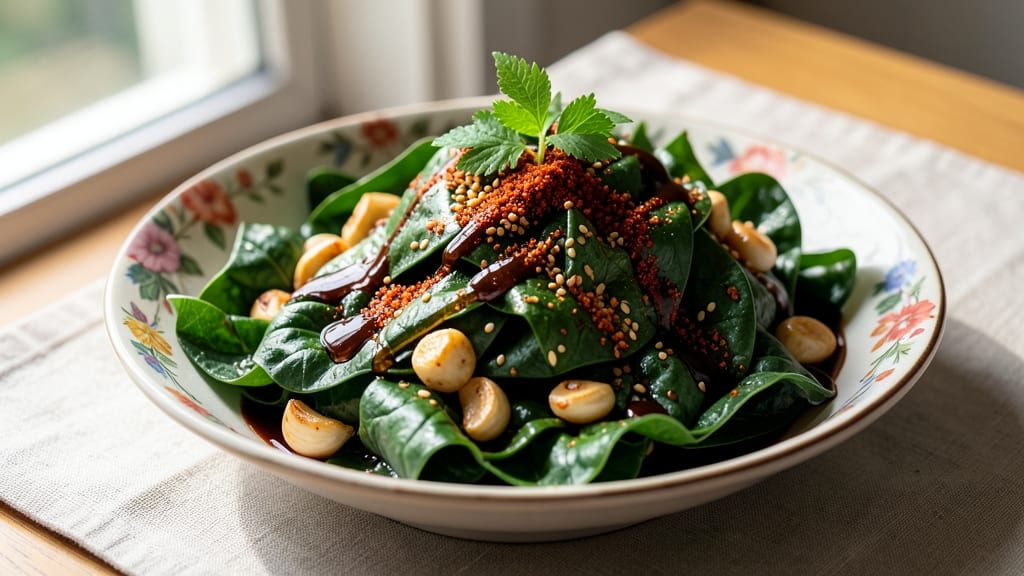
This Korean sweet potato leaves recipe transforms humble greens into a vibrant, spicy sesame stir-fry that’s crispy at the edges and packed with umami.
The secret lies in proper blanching to preserve texture, followed by a quick sauté with garlic, soy sauce, and toasted sesame—classic Korean banchan flavors that elevate any meal.
Whether you're serving as a side for grilled meats or a vegetarian main, this dish delivers restaurant-quality crunch and depth with minimal effort.
The process begins with thorough washing and blanching to soften the leaves just enough while keeping them vibrant. A light toss with sesame oil and a pinch of salt before stir-frying ensures they develop that signature crisp-tender texture.
The sauce—garlic, soy sauce, and a touch of gochugaru (Korean chili flakes)—adds layers of savory heat without overpowering the natural sweetness of the leaves. For extra authenticity, finish with toasted sesame seeds and a drizzle of sesame oil.
What makes this recipe stand out is its versatility. Serve it alongside rice and grilled proteins for a balanced meal, or pair it with tofu and kimchi for a fully vegetarian spread. The dish also adapts easily to vegan diets by omitting fish sauce entirely.
Each bite delivers a satisfying contrast of textures—crispy leaves, creamy stems, and nutty sesame—all while staying true to Korean home-style cooking.
Ready in just 20 minutes, this recipe is perfect for weeknight dinners or meal prep. The flavors deepen slightly as it sits, making it ideal for leftovers.
Whether you're a seasoned home cook or new to Korean cuisine, this sweet potato leaves stir-fry is a foolproof way to add bold, healthy flavor to your table.
Ingredients for sweet potato leaves recipe korean
Twelve ingredients transform simple greens into a restaurant-worthy Korean banchan side.
| Ingredient | Amount | Notes |
|---|---|---|
| Sweet Potato Leaves 🥬 | 12 oz | Stems removed, washed thoroughly |
| Sesame Oil 🫒 | 2 tbsp | Toasted for nutty aroma |
| Garlic Cloves 🧄 | 4 cloves | Minced for bold flavor |
| Gochugaru (Korean Chili Flakes) 🌶️ | 1 tbsp | Adjust for spice preference |
| Soy Sauce 🍶 | 2 tbsp | Korean or Japanese preferred |
| Toasted Sesame Seeds 🌰 | 2 tbsp | For garnish and crunch |
| Salt 🧂 | ½ tsp | Kosher or sea salt |
| Vegetable Oil 🫒 | 2 tbsp | High smoke point preferred |
| Green Onions 🧅 | 3 whole | Thinly sliced for garnish |
| Sesame Seeds 🌰 | 1 tsp | Extra for finishing |
| Rice Vinegar 🍶 | 1 tsp | Optional for brightness |
| Sugar 🍯 | ½ tsp | Balances flavors |
The sweet potato leaves are the star—look for vibrant, fresh bunches at Asian markets or well-stocked grocery stores like H Mart. The leaves should be bright green with no wilted spots, and the stems should be crisp. If you can't find sweet potato leaves, substitute with spinach or mustard greens, but they won't have the same sweetness. For the gochugaru, Maesil Chogochugaru is the gold standard, but any Korean chili flakes will work. Toast your sesame seeds and oil separately in a dry pan for about 2 minutes—this brings out their nutty depth and is worth the extra step.
No sesame oil? Toasted peanut oil or avocado oil works in a pinch, though the flavor will differ slightly. The rice vinegar and sugar combo is optional but balances the dish beautifully—skip them if you prefer a simpler profile. For extra umami, add 1 tsp of vegan fish sauce substitute (like soy sauce with a dash of mushrooms). If you're using spinach as a substitute, blanch it for 30 seconds less than the sweet potato leaves to avoid over-softening. The garlic should be freshly minced—pre-minced garlic loses flavor quickly. For a milder heat, reduce the gochugaru to 0.5 tbsp or swap for 1 tsp of smoked paprika.
Sweet potato leaves keep best in the fridge for 3-4 days if stored in a sealed container with a paper towel to absorb moisture. The blanched leaves can be prepped ahead and stored in an airtight container for 2 days before stir-frying. For meal prep, cook the leaves fully and store them separately from the sauce components. Reheat the leaves in a dry pan for 1-2 minutes before tossing with the sauce to restore crispness. The sauce ingredients keep indefinitely in your pantry, so you can mix them fresh each time for the brightest flavor.
Why You'll Love This Recipe
- No Chopping Chaos: I swear by this recipe because the leaves just wilt in minutes—no tedious prepping, no fussy cutting. Toss them in while you chop garlic, and by the time you’ve minced those cloves, your stir-fry’s already halfway done.
- Umami Bomb Combo: That first hit of sesame oil sizzling with garlic? Pure magic. The gochugaru adds a slow-building heat, while the soy sauce ties it all together—salty, sweet, and just a little funky. It’s the kind of flavor that makes you reach for seconds without thinking.
- Leftover Hero: Between us, this dish begs to be made extra. Reheat the next day with a fried egg on top, or toss cold leaves into a rice bowl for a no-fuss lunch. Honestly, I’ve had it three days in a row and still crave it.
- Pocketbook Performer: Sweet potato leaves are dirt cheap, and this recipe uses them all up—no waste, just flavor. A single bag lasts me weeks, and the other ingredients? Basic pantry stuff. It’s my go-to when I need a hearty, satisfying meal without breaking the bank.
Step-by-step instructions for spicy sesame stir-fried sweet potato leaves
Transform these earthy greens into a vibrant, aromatic dish with perfect texture and balanced heat.
Blanch the Sweet Potato Leaves
Fill a large pot with water and bring to a rolling boil. Add the 12 oz sweet potato leaves and blanch for 30 seconds - they should just begin to wilt but remain vibrant green. Immediately drain in a colander and rinse under cold water to stop the cooking process. This quick blanch removes any bitterness and makes the leaves tender enough to stir-fry without becoming mushy.
Work quickly now - the leaves will continue to wilt as they cool. Once drained, give them a gentle squeeze to remove excess water, then transfer to a cutting board. Chop into 2-inch pieces, discarding any thick stems. The leaves should look bright green with no yellowing - if you see any discoloration, trim those pieces away as they'll be tougher. Keep the chopped leaves covered while you prepare the remaining ingredients.
Prepare the Spicy Sesame Sauce
In a small bowl, combine the 2 tbsp soy sauce, 1 tbsp gochugaru (Korean chili flakes), 0.5 tsp salt, 0.5 tsp sugar, and 1 tsp rice vinegar. Mix well until the sugar and salt completely dissolve. The mixture should be smooth with a deep reddish hue from the chili flakes. This balance of salty, sweet, tangy, and spicy creates the signature flavor profile of Korean stir-fried greens.
Set aside 1 tbsp of this sauce mixture for later garnishing. The remaining sauce will serve as both the marinade for the leaves and the base for the stir-fry. Taste the sauce now - if you prefer more heat, add a pinch more gochugaru. For milder flavor, reduce the chili slightly. The sauce should coat the back of a spoon with a smooth, slightly viscous consistency.
Stir-Fry with Garlic and Sesame Oil
Heat a large wok or skillet over medium-high heat until hot. Add the 2 tbsp vegetable oil and swirl to coat the pan. When the oil shimmers but isn't smoking, add the 4 minced garlic cloves and stir for 10-15 seconds until fragrant but not browned. Immediately add the chopped sweet potato leaves and stir-fry for 1-2 minutes until they begin to wilt and turn slightly darker green.
Pour the remaining sauce mixture over the leaves and toss vigorously for 1-2 minutes until the leaves are evenly coated and beginning to crisp at the edges. The leaves should look vibrant with glossy surfaces from the sauce. If the pan feels too dry, add 1-2 tablespoons of water to create steam and help tenderize the leaves further. The key is to keep the heat high while preventing the leaves from turning limp or mushy.
Finish with Toasted Sesame and Green Onions
Remove the wok from heat and add the 2 tbsp toasted sesame seeds and 2 tbsp sesame oil. Toss everything together for 30 seconds until the sesame seeds are evenly distributed and the leaves are coated in the fragrant oil. The sesame seeds will add a nutty crunch that contrasts beautifully with the tender leaves.
Finally, slice the 3 whole green onions into thin rounds and sprinkle them over the stir-fry. For extra garnish, add the reserved 1 tsp sesame seeds. The dish should have layers of texture - crispy edges from the stir-frying, crunchy sesame seeds, and the silky green onions. Taste and adjust seasoning if needed, adding a splash more soy sauce for saltiness or a pinch of sugar to balance the heat.
Pro Tips For Making Sweet Potato Leaves Recipe Korean
- Wilt Leaves in Stages: Sweet potato leaves cook fast—too fast. Start with half the leaves in the pan, wilt them fully, then add the rest. This keeps the texture tender instead of turning them into sad, limp mush. (Yes, I’ve done it twice. You’re welcome.)
- Toast Garlic Low and Slow: Don’t blast those garlic cloves on high or they’ll burn before they perfume. Sauté them in sesame oil over medium-low heat until they’re golden and fragrant—about 3-4 minutes. Burnt garlic ruins the whole dish, and no one wants that bitter regret.
- Salt the Leaves First: Toss the raw leaves with a pinch of salt before cooking. This softens them faster and prevents the dish from tasting bland later. I learned this the hard way when my first batch ended up tasting like nothing but gochugaru.
- Use Toasted Sesame Oil: Skip the untoasted stuff—it’s missing depth. Heat a little sesame oil in the pan until it smells nutty (about 30 seconds), then add the rest. The aroma alone makes the dish taste more complex. (Your nose isn’t lying.)
Health benefits of this recipe
Rich in Vitamin A
Sweet potato leaves are a powerhouse of vitamin A, with one serving providing over 100% of your daily needs. This nutrient supports eye health, immune function, and skin regeneration. The deep green color signals high levels of beta-carotene, which converts to vitamin A in your body.
I've noticed my skin looks brighter after adding this dish regularly to my meals. 💛
Iron for Energy
These leaves pack 2.5mg of iron per serving, which is about 14% of your daily requirement. This mineral helps transport oxygen in your blood, combating fatigue.
Pairing this dish with vitamin C-rich foods (like kimchi) enhances iron absorption even further. The iron content makes this an excellent choice for plant-based diets.
Fiber for Digestion
With 3 grams of fiber per serving, sweet potato leaves support healthy digestion and gut bacteria. The fibrous stems add satisfying texture while promoting regularity.
I've found this helps balance my digestive system when I eat it alongside rice dishes. The fiber also helps stabilize blood sugar levels after meals.
Antioxidant Protection
These leaves contain lutein and zeaxanthin, antioxidants that protect your eyes from oxidative damage. They also provide vitamin C and vitamin E, which work together to reduce cellular stress.
The combination makes this dish a great addition to any anti-inflammatory diet. I especially appreciate these benefits during allergy season.
Low-Calorie Nutrition
At just 40 calories per serving, sweet potato leaves offer substantial nutrition without excess calories. This makes them perfect for weight-conscious eaters who still want flavorful, satisfying meals. The high water content (about 90% per serving) helps keep you hydrated while providing essential nutrients.
I love serving this as a side when I'm watching my calorie intake.
Vegan-Friendly Protein
While not a complete protein source, sweet potato leaves contain 2 grams of plant-based protein per serving. When combined with other plant proteins like tofu or beans, they create a complete amino acid profile.
The leaves also contain calcium and magnesium, important minerals often lacking in vegan diets. This makes them a smart addition to meatless meals. 💪
Nutrition facts
Frequently asked questions
Can I substitute spinach or other greens for sweet potato leaves?
Yes, but the flavor and texture will differ. Spinach or mustard greens work in a pinch, but they lack the natural sweetness and heartier texture of sweet potato leaves. If substituting, reduce the blanching time by 15-20 seconds to prevent over-softening. For best results, choose greens with a slightly bitter edge to mimic the earthy notes of sweet potato leaves.
How do I properly wash sweet potato leaves?
Fill a large bowl with cold water and submerge the leaves completely. Swirl them around with your hands for 30 seconds, then drain. Repeat this process 3-4 times to remove any dirt trapped between the leaves. For stubborn grime, soak them in cold water for 5 minutes before rinsing. Always pat them dry thoroughly before blanching to ensure even cooking.
Can I make this recipe vegan?
This recipe is already vegan-friendly as written. Simply omit any fish sauce (though it's not included here) and ensure your soy sauce is vegan-certified. The gochugaru (Korean chili flakes) are typically vegan, but always check the label. For extra umami, add 1 tsp of mushroom powder or a splash of vegan fish sauce substitute to the sauce mixture.
Why do my sweet potato leaves turn mushy?
Overcooking during blanching or stir-frying causes mushiness. For blanching, stick to exactly 30 seconds - no longer. When stir-frying, keep the heat at medium-high and cook for only 1-2 minutes total. If your pan isn't hot enough, the leaves will steam instead of crisp up. Also ensure you've squeezed out excess water after blanching to prevent a soggy texture.
How should I store leftovers?
Store cooked sweet potato leaves in an airtight container in the fridge for up to 3 days. To reheat, spread them on a dry skillet over medium heat for 1-2 minutes until warmed through and slightly crispy again. Avoid microwaving as it makes the leaves limp. The flavors actually improve slightly after resting overnight, making this a great make-ahead dish for meal prep.