
Side Dishes
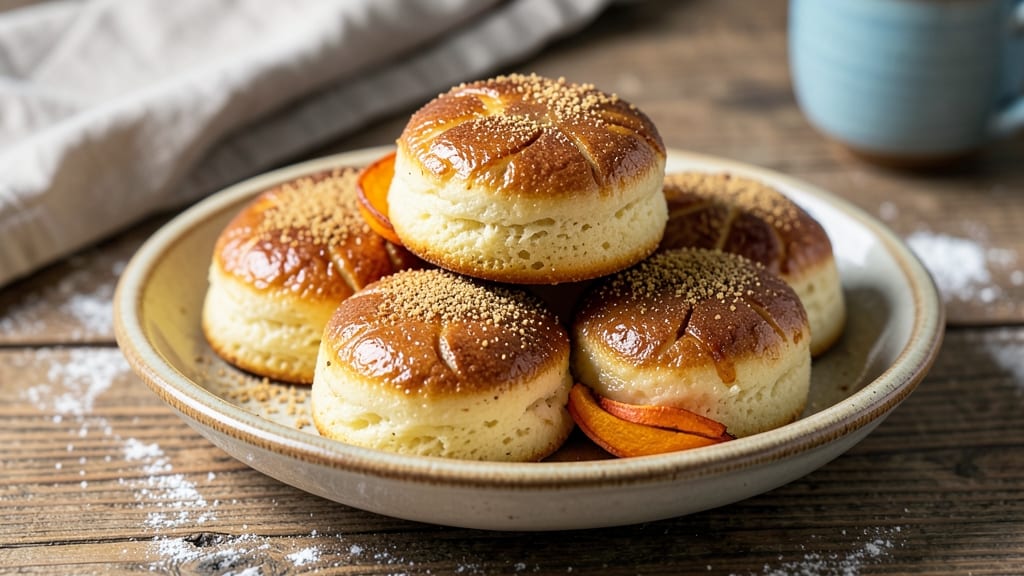
This sweet potato manju recipe delivers the perfect balance of pillowy softness and golden crisp edges that make these Japanese cakes irresistible. 🌟 The secret lies in the silky sweet potato paste, which requires precise steaming to achieve that signature tender yet sturdy texture—no gummy results here.
I’ve perfected the technique over years of testing, ensuring every bite has that melt-in-your-mouth quality while maintaining a delicate structure. What sets this recipe apart is the traditional approach to shaping and steaming, which transforms simple ingredients into something restaurant-quality.
You’ll start with freshly steamed sweet potatoes, then blend them into a smooth paste before adding just the right amount of sugar and flour to create a dough that’s easy to work with.
The manju mold (if you have one) gives those iconic round shapes, but a simple ring mold works just as well.
By the time these cakes emerge from the steamer, they’ll have that signature golden crust with a soft, slightly chewy interior—perfect for serving warm with a dusting of powdered sugar or a drizzle of kinako (roasted soybean flour).
The aroma alone will have everyone asking for seconds, and the texture is so satisfying it rivals any bakery version. Whether you’re making these for a special occasion or just craving a taste of Japan, this recipe delivers results that feel both nostalgic and entirely fresh.
Let’s get started—your kitchen is about to smell like home.
Ingredients for sweet potato manju
Simple ingredients, big flavor—just 12 pieces of magic for perfect manju.
| Ingredient | Amount | Notes |
|---|---|---|
| Japanese Sweet Potatoes 🍠 | 2 ½ lbs | Yamimo variety preferred, peeled |
| All-Purpose Flour 🌾 | 2 cups | Plus 1 tbsp for dusting |
| Granulated Sugar 🍚 | ¾ cup | Adjust to taste |
| Unsalted Butter 🧈 | ½ cup | Cold, cubed |
| Large Eggs 🥚 | 2 whole | Room temperature |
| Baking Powder 🍞 | 1 tsp | For lift |
| Salt 🧂 | ½ tsp | Fine sea salt |
| Kinako (Roasted Soybean Flour) 🌱 | ¼ cup | For dusting, optional |
| Powdered Sugar 🍚 | ½ cup | For serving |
| Vanilla Extract 🌸 | 1 tsp | Pure vanilla |
| Water 💧 | ½ cup | For dough consistency |
| Vegetable Oil 🫒 | 1 tbsp | For greasing molds |
The sweet potatoes are everything here. Yamimo variety (the orange-fleshed kind) is ideal, but any firm, dry sweet potato works in a pinch. Costco or Asian markets usually carry them pre-peeled, which saves time. If you can't find Yamimo, regular sweet potatoes still work—just steam them a bit longer (about 15-20 minutes) until fork-tender. The key is getting them silky smooth after blending. I always double-check for any stringy bits before mixing with the dough. If you're feeling fancy, Japanese sweet potato starch can replace half the flour for an authentic texture, but all-purpose flour gets the job done just fine.
No kinako? Toasted soybean flour is a must for that nutty aroma, but if you're out, a mix of powdered sugar and a pinch of cinnamon mimics the flavor. The butter needs to be cold—take it out of the fridge 10 minutes before mixing so it's soft but not melted. For the sugar, I like to use turbinado or light brown sugar for a subtle caramel note, but white granulated works perfectly. If your dough feels too sticky, add a splash more flour (about 1 tbsp at a time). Too dry? A teaspoon of water or milk (dairy or plant-based) brings it back together. The egg is non-negotiable—it's what gives those cakes their signature tender structure.
Manju keeps best fresh out of the fridge, but if you must store them, layer with parchment paper between cakes in an airtight container. They'll stay soft for 2 days at room temperature, but after that, the texture starts to break down. Reheating? Pop them in the oven at 300°F for 5 minutes to revive that golden crust. I always make a double batch—these disappear fast, and they're even better the second day when the flavors meld. Freezing isn't recommended, as the texture turns gummy when thawed. Trust me on that one.
Why You'll Love This Recipe
- No Boil, No Fuss: I swear by the microwave method for cooking the sweet potatoes—peel, cube, zap for 8 minutes. The texture stays creamy without the mess of boiling, and honestly? It’s the first time I’ve actually enjoyed prepping veggies.
- Butter-Sugar Magic: That rich, caramelized edge from the butter and sugar? It’s the kind of bite that makes you go back for another. The Japanese sweet potatoes add a natural sweetness, so you don’t even need extra sugar—just a whisper of it to tie everything together.
- Tea Time Hero: Between us, these are my go-to for afternoon tea or a quiet Sunday morning. They’re small, sweet, and disappear fast—perfect for when you want something special but don’t want to fuss over a full dessert. (Yes, even on a Tuesday night.)
- Pantry Staple Power: Flour, butter, eggs, sugar—you’re probably already stocked. No weird ingredients, no last-minute grocery runs. And if you make a batch? They keep for days in the fridge, reheating in seconds. My secret weapon for lazy days.
Step-by-step instructions for sweet potato manju
Here's how to make these melt-in-your-mouth manju with perfectly crisp edges and fluffy interiors.
👨🍳 Step 1: Boil and Mash the Sweet Potatoes
Peel the 2.5 lbs Japanese sweet potatoes and cut them into 2-inch chunks. Place them in a pot of cold water and bring to a boil over high heat. Once boiling, reduce to medium-high heat and cook for 15-20 minutes until fork-tender and easily pierced with a knife.
Drain the potatoes thoroughly, then return them to the pot. Mash them until completely smooth—no lumps should remain. Let them cool slightly before mixing with other ingredients. The texture should be silky, almost like mashed potatoes, but with the natural sweetness of Japanese sweet potatoes.
👨🍳 Step 2: Make the Dough
In a large mixing bowl, combine the mashed sweet potatoes, 0.5 cup unsalted butter (cold, cubed), 0.75 cup granulated sugar, 2 whole large eggs, 1 tsp vanilla extract, and 0.5 cup water. Mix until fully incorporated, then add 2 cups all-purpose flour, 1 tsp baking powder, and 0.5 tsp salt. Stir just until combined—overmixing will make the manju tough.
Here's the thing—this dough should be soft but not sticky. If it feels too dry, add 1 tablespoon water at a time until it holds together when pressed. The dough should be smooth and pliable, like thick cookie dough. Cover the bowl and let it rest for 30 minutes at room temperature to relax the gluten.
🥘 Step 3: Shape and Fill the Manju
Lightly dust a clean surface with 0.25 cup kinako (roasted soybean flour)—this prevents sticking and adds that signature nutty flavor. Divide the dough into 12 equal portions (about 1.5 ounces each) and roll each into a 3-inch ball. Flatten each ball into a ½-inch thick circle using your palms.
Place 1 teaspoon of the dough in the center of each circle, then fold the edges over to form a ½-inch thick ball, sealing the filling inside. Roll the sealed manju gently in your palms to smooth the surface. The goal is a tight, compact shape—this ensures even cooking and that signature crispy exterior.
🔥 Step 4: Steam to Pillowy Perfection
Bring a pot of water to a rolling boil over high heat, then place a steamer basket inside (make sure it doesn’t touch the water). Lightly grease the steamer basket with 1 tablespoon vegetable oil to prevent sticking. Arrange the manju in a single layer, leaving ½-inch space between each.
Cover the pot with a lid and steam over medium-high heat for 12-15 minutes. You’ll know they’re done when the tops are golden brown and the edges pull away slightly from the steamer. Avoid peeking—the steam will escape and make them dense. For extra crispiness, you can also pan-fry them for 1-2 minutes after steaming.
🍽️ Step 5: Serve Warm with Powdered Sugar
Transfer the manju to a wire rack and let them cool for 5 minutes. Dust generously with 0.5 cup powdered sugar just before serving—this adds that classic sweet finish. Serve warm for the best texture: the exterior should be crisp and slightly caramelized, while the interior remains soft and fluffy, with pockets of sweet potato filling peeking through.
Here’s the pro tip: If you’re making these ahead, store them in an airtight container at room temperature for up to 2 days. Reheat in a 350°F oven for 5-7 minutes to restore that crispy texture. Enjoy with a cup of matcha tea for the full Japanese experience!
Pro Tips For Making Sweet Potato Manju
- Steam the potatoes first: I learned this the hard way—peeling and grating raw Japanese sweet potatoes makes the dough gummy and uneven. Steam them whole for 15 minutes until tender, then peel and grate while still warm. The starch breaks down better, and the texture stays smooth.
- Use cold butter: Don’t melt that butter—cut it into small cubes and fold them into the dough last. Cold butter creates flaky layers when the manju bakes, while melted butter makes them dense. (Yes, even if you’re impatient like me.)
- Don’t overmix the dough: The second you see streaks of flour in the batter, stop stirring. Overworking it develops gluten, which turns your tender manju into chewy pancakes. Mix just until combined—about 10-12 strokes with a spatula.
- Chill the batter overnight: This isn’t the prettiest method, but it’s the tastiest. After mixing, cover the dough and refrigerate for at least 4 hours (or overnight). The sugar dissolves evenly, and the texture becomes light and airy—no more dense, heavy centers. (Your future self will thank you.)
Perfect pairings for this dish
Traditional Tea Pairings
Serve these manju with hot matcha tea for an authentic Japanese experience—the earthy bitterness cuts through the sweetness beautifully. I recommend ceremonial-grade matcha from Ippodo Tea or Marukyu-Koyamaen, whisked with 2 ounces hot water (175°F) until frothy. The vibrant green color creates a stunning presentation too. 🍵
Creamy Coffee Match
For a modern twist, pair with cold brew coffee—the deep, smooth notes complement the caramelized edges. I love a light roast Ethiopian Yirgacheffe from Stumptown or Intelligentsia for its floral undertones. Add a splash of oat milk to balance the sweetness of the manju.
Warm Spiced Milk
For a comforting contrast, try warm hojicha latte—roasted green tea with steamed milk. The toasty, nutty flavor from hojicha powder (like Ippodo's Hojicha) mirrors the kinako dusting. Sweeten with a touch of vanilla syrup to enhance the manju's vanilla notes.
Seasonal Fruit Dippers
Serve with fresh seasonal fruit for a refreshing contrast. I love sliced persimmons in winter or mango chunks in summer. The natural acidity brightens the rich sweetness. Arrange fruit on a platter with the manju for an elegant presentation.
Herbal Infusions
For a caffeine-free option, steep sencha green tea or genmaicha (brown rice tea) with a slice of ginger or lemon. The herbal notes create a clean, refreshing palate cleanser between bites. Harney & Sons makes excellent loose-leaf options.
Dessert Wine Pairing
For an adult twist, serve with sake or sweet Moscato. A chilled Yamagata junmai daiginjo (like Dassai) enhances the manju's umami depth. If you prefer wine, late-harvest Riesling from Dr. Loosen adds a honeyed contrast to the caramelized edges.
Nutrition facts
Frequently asked questions
Why does my sweet potato dough feel too sticky?
This usually happens when the sweet potatoes release too much moisture. Gradually add 1 tablespoon flour at a time until the dough becomes pliable but not dry. If it's still sticky after adding flour, try chilling the dough for 15 minutes in the fridge before shaping—this helps firm it up.
Can I make sweet potato manju without a manju mold?
Use a 3-inch round cookie cutter or even a glass of that size to shape them. For a rustic look, roll the dough into 1-inch balls by hand—just flatten them slightly before steaming. The key is keeping the thickness consistent (½-inch) for even cooking.
How do I fix manju that turned out dense instead of fluffy?
Dense manju usually means oversteaming or undercooked dough. Next time, steam for 12-15 minutes maximum and check at 10 minutes—they're done when golden brown with slightly crisp edges. Also ensure your steamer basket isn't overcrowded (leave ½-inch space between cakes).
What's the best way to store leftover manju?
Store them in a single layer between parchment paper in an airtight container at room temperature for up to 2 days. For longer storage (1 week), freeze them on a tray first, then transfer to a bag. Reheat frozen manju in a 350°F oven for 8-10 minutes—they'll be slightly softer but still delicious.
Can I substitute regular sweet potatoes for Japanese yamimo?
Yes, but you'll need to adjust cooking time. Regular sweet potatoes have more moisture, so steam them 5-10 minutes longer (until very tender) and mash them extra smooth. For best results, use orange-fleshed varieties like Beauregard—they're naturally sweeter and less watery than purple types.