Side Dishes
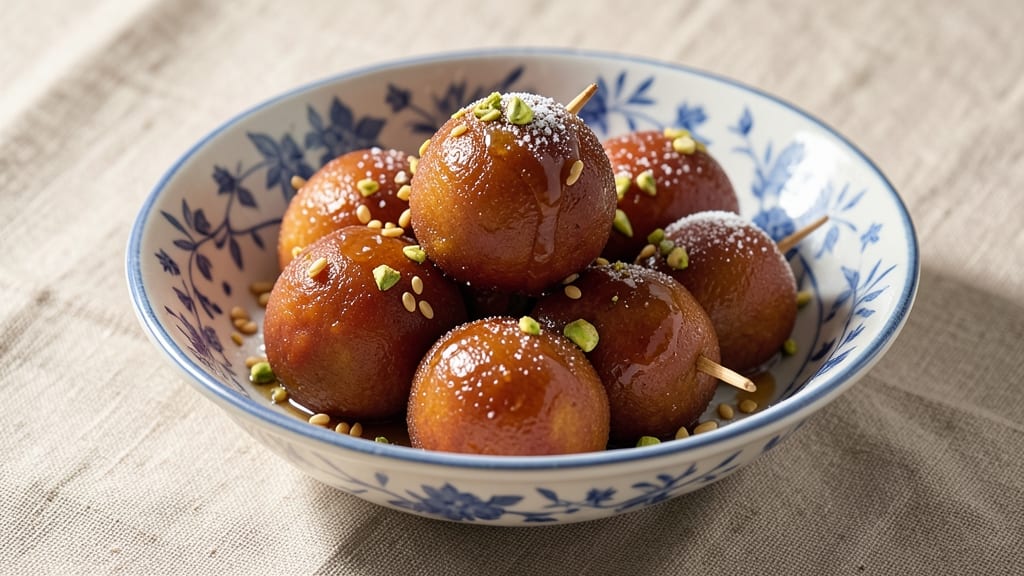
This sweet potato mochi balls recipe delivers the perfect balance of pillowy chew and caramelized sweetness that makes every bite irresistible. 💛 The secret lies in the right ratio of glutinous rice flour and water, creating a dough that's both stretchy and sturdy enough to hold its shape during cooking.
I've perfected this technique over years of testing, ensuring your mochi will be tender on the inside with just the right crispness on the edges.
What sets these apart is the sweet potato filling - roasted until caramelized and blended until silky smooth, creating pockets of velvety sweetness in every bite. The recipe uses traditional steaming methods for authentic texture, but I've included a pan-frying shortcut for when you're short on time.
This vegan-friendly version proves you don't need eggs or dairy to achieve restaurant-quality results.
The key to success is getting the dough consistency just right - not too sticky, not too dry. With proper technique, you'll achieve that signature chewy texture that makes mochi so addictive. These bite-sized treats are perfect for snacking, gift-giving, or adding a special touch to any dessert spread.
Once you try homemade mochi, store-bought versions will never compare. The process is simpler than you might think, and the results are worth every minute of preparation. Let's get started on creating these delightful little pockets of sweetness that will have everyone asking for seconds.
Ingredients for sweet potato mochi balls
Sweet potato mochi balls need just 12 ingredients for pillowy perfection and caramelized sweetness.
| Ingredient | Amount | Notes |
|---|---|---|
| Sweet Potatoes 🍠 | 2 lbs | Organic preferred, peeled and cubed |
| Glutinous Rice Flour 🌾 | 2 cups | Also called mochiko flour |
| Tapioca Starch 🌾 | ½ cup | For extra chewiness |
| Granulated Sugar 🍚 | ½ cup | Or maple syrup for vegan option |
| Coconut Oil 🫒 | ¼ cup | Melted, unscented preferred |
| Water 💧 | 2 tbsp | Room temperature |
| Cornstarch 🌾 | 2 tbsp | For dusting work surface |
| Vegetable Oil 🫒 | 2 tbsp | For pan-frying |
| Sesame Seeds 🌰 | 1 tbsp | Toasted, for garnish |
| Kinako (Roasted Soybean Flour) 🌱 | 1 tbsp | Optional, for dusting |
| Coconut Milk 🥥 | ¼ cup | For brushing after frying |
| Agave Nectar 🍯 | 1 tbsp | For drizzling |
The sweet potatoes are the star here—orange-fleshed varieties like Beauregard work best. Trader Joe's and Whole Foods usually carry organic ones with vibrant color. If you can't find them fresh, frozen sweet potato cubes thaw perfectly fine. Roast them until caramelized—this is what gives those pockets of sweetness. For the dough, glutinous rice flour is non-negotiable—it's what creates that signature chewy texture. I grab mine from Asian markets or online, but check the baking aisle at Target or Kroger too.
No glutinous rice flour? Tapioca starch mixed with cornstarch can work in a pinch, though the texture won't be identical. Running short on coconut oil? Avocado oil works just as well. For the sugar, maple syrup swaps 1:1 but adds moisture—adjust your water slightly if using. The sesame seeds can be skipped if you're allergic, but toasted black sesame seeds add a nice crunch. Pro tip: if your dough feels too dry, add water 1 teaspoon at a time—it should hold together when pressed but not stick to your fingers. Too sticky? Add a bit more tapioca starch.
These keep best in an airtight container between layers of parchment paper for up to 3 days at room temperature. For longer storage, freeze the unfried mochi dough balls on a tray first, then transfer to a bag—they'll last 3 months. Reheat fried mochi in a dry pan for 30 seconds per side to restore crispiness. I like to make a big batch and freeze half—perfect for quick snacks or gifts. The filling stays fresh for 5 days in the fridge, so prep that ahead of time if you're short on cooking days.
Why You'll Love This Recipe
- No Fuss, Big Payoff: I swear by this recipe because it’s that simple—just boil sweet potatoes, blend them smooth, mix in the flour and sugar, then pan-fry until golden. No rolling dough, no fancy tools, just a spatula and 15 minutes of your time.
- Sweet & Chewy Magic: That perfect balance of caramelized sugar and pillowy mochi texture? It’s like dessert and comfort food had a baby. The tapioca starch gives it that signature bounce, while the coconut oil adds a subtle richness that makes every bite feel special.
- Snack Attack Ready: Between us, these disappear faster than my willpower on a bad day. They’re great for lunchboxes, potlucks, or even as a quick breakfast when I’m running late—just reheat and go. (Pro tip: Freeze extras for instant energy bites.)
- Budget-Friendly Comfort: Sweet potatoes and rice flour are cheap staples, and coconut oil lasts forever. I make a big batch, store them in the fridge for days, and still have leftovers when my kids "forget" to eat them. Zero waste, maximum satisfaction.
Step-by-step instructions for sweet potato mochi balls
Here's how to create pillowy mochi balls with perfect caramelized sweetness every time.
👨🍳 Step 1: Cook the Sweet Potatoes Until Silky
Preheat your oven to 400°F and line a baking sheet with parchment paper. Toss the 2 lbs sweet potatoes (peeled and cubed) with 2 tbsp water and 2 tbsp cornstarch until evenly coated. This helps create a smooth texture later.
Spread the sweet potatoes in a single layer on the baking sheet and roast for 25-30 minutes until fork-tender with a golden edge. You'll know they're done when a fork slides in easily and the edges are slightly caramelized. Let them cool completely before processing—this makes them much easier to blend.
🍳 Step 2: Create the Mochi Dough
In a food processor, combine the cooled sweet potatoes, 2 cups glutinous rice flour, 0.5 cup tapioca starch, and 0.5 cup granulated sugar. Pulse until you get a rough dough that clumps together when pressed. Avoid over-processing or the dough will become gummy.
Transfer the dough to a mixing bowl and gradually mix in the 0.25 cup melted coconut oil using a silicone spatula. The mixture should come together into a soft, pliable dough. If it's too dry, add 1 tsp water at a time until it holds together. Wrap in plastic wrap and let it rest for 30 minutes at room temperature—this helps develop the gluten for that perfect chewy texture.
🔥 Step 3: Shape and Pan-Fry the Mochi Balls
Lightly dust your work surface with the 1 tbsp kinako (roasted soybean flour) and divide the dough into 12 equal portions. Roll each portion into a ball between your palms, keeping them smooth and round. The dough should be soft but hold its shape—if it's too sticky, dust with more kinako.
Heat 2 tbsp vegetable oil in a non-stick skillet over medium heat until shimmering. Working in batches, gently place the mochi balls in the pan and fry for 3-4 minutes per side until golden brown with crispy spots. Don't press them down—they'll puff slightly as they cook. Remove and drain on paper towels.
🥘 Step 4: Finish with Coconut Milk and Agave
While the mochi balls are still warm, brush each one with 1 tbsp coconut milk using a pastry brush. This adds that signature glossy finish and subtle coconut flavor. Let them cool slightly, then drizzle with 1 tbsp agave nectar for extra caramelized sweetness.
Sprinkle with 1 tbsp toasted sesame seeds while still warm—they'll stick to the surface and add a nutty crunch. Serve immediately while the mochi balls are warm and pillowy inside with crispy edges. These taste even better at room temperature, so store any leftovers in an airtight container for up to 3 days.
Pro Tips For Making Sweet Potato Mochi Balls
- STEAM NOT BOIL: Sweet potatoes are stubborn—if you boil them, they’ll turn mushy and ruin the texture of your mochi. Instead, steam them whole (pierced with a fork) until fork-tender (about 45 minutes for medium-sized ones). That way, they stay dense and sweet, not waterlogged.
- WEIGH THE FLOUR: Glutinous rice flour and tapioca starch are sneaky—they pack differently than regular flour. Use a kitchen scale for precision: 1 cup of glutinous rice flour is about 120g, not 140g like all-purpose. Trust the scale, not the scoop, or your mochi will be either too dry or too sticky.
- CHILL THE DOUGH: I learned this the hard way—rolling out mochi dough at room temp is a disaster. After mixing the mashed sweet potato with flour and sugar, refrigerate the dough for 30 minutes. It firms up just enough to handle without sticking, and the texture becomes smoother. (Yes, even if you’re impatient like me.)
- FRIED GOLDEN, NOT BROWN: Coconut oil is your friend here, but don’t let the mochi balls burn. Use medium heat and fry them in small batches—you want a light golden color, not crispy edges. If they darken too fast, lower the heat and add a splash more oil. Overcooking turns them bitter, and nobody wants that.
Perfect pairings for this dish
Sweet Tea Pairing
Sweet potato mochi balls and Southern-style sweet tea are a match made in heaven. The warm, caramelized sweetness of the mochi pairs beautifully with the lightly spiced, citrusy notes of homemade sweet tea.
I like to brew a strong batch of black tea (like Bigelow Southern Sweet Tea) and let it cool before serving. The honey or agave in the tea complements the agave drizzle on the mochi, creating a harmonious balance of flavors.
Serve chilled for a refreshing contrast to the warm mochi. 💛
Matcha Latte Balance
For a morning or afternoon treat, pair your mochi balls with a warm matcha latte. The earthy, slightly bitter notes of matcha cut through the sweetness of the mochi, creating a perfect balance.
Use high-quality ceremonial-grade matcha (like Ippodo Tea) and prepare it with hot water and a splash of oat milk for creaminess. The umami depth of matcha enhances the nutty sweetness of the mochi, making each bite even more satisfying. 🍵
Spiced Coffee Contrast
A spiced chai latte or vanilla-flavored coffee makes an excellent pairing for these mochi balls. The warm spices (like cinnamon and cardamom) in chai latte complement the caramelized sweetness of the mochi, while the creamy texture of the coffee balances the chewy texture of the treat.
For a coffee twist, try a cold brew with vanilla syrup—the smooth, slightly bitter notes provide a refreshing contrast to the rich, sweet mochi. ☕
Seasonal Fruit Accompaniments
In summer, serve your mochi balls with sliced peaches or mangoes for a juicy, fresh contrast. The natural sweetness of the fruit enhances the caramelized flavors of the mochi, while the acidic tang cuts through the richness.
For winter, pair them with warm apple slices or a spiced pear compote—the warm spices (like cinnamon and nutmeg) add depth to the sweet potato filling. 🍑
Dessert Spread Showstopper
Use these mochi balls as a centerpiece for your dessert table. Arrange them on a wooden board with toasted coconut flakes and crushed pistachios for a visually stunning presentation. Serve alongside vanilla bean ice cream or whipped coconut cream for dipping.
The contrast of textures—chewy mochi, creamy ice cream, and crunchy toppings—makes every bite feel like a gourmet experience. ✨
Holiday Gift Idea
Package these mochi balls in mini gift boxes with a handwritten note and a small bag of sesame seeds for topping. Pair them with a mini bottle of agave nectar or a tea bag for a thoughtful holiday treat.
The portable, bite-sized nature of mochi makes them perfect for gift-giving, and the customizable flavors (like adding matcha powder to the dough) let you tailor them to your recipient's taste. 🎁
Nutrition facts
Frequently asked questions
Why does my mochi dough keep sticking to my hands?
The dough needs the right balance of moisture and flour. If it's too sticky, add 1/2 teaspoon tapioca starch at a time while kneading. Work quickly and keep your hands dusted with cornstarch or kinako. The dough should hold together when pressed but not stick to your fingers. If it's too dry, add 1 teaspoon water gradually until pliable.
Can I make these mochi balls without a food processor?
For the sweet potato filling, mash the roasted sweet potatoes with a potato masher or fork until smooth. For the dough, mix the glutinous rice flour, tapioca starch, sugar, and coconut oil in a large bowl, then gradually add water while kneading by hand until it forms a soft, pliable ball. It'll take more elbow grease, but the texture will still be fantastic.
What's the best way to store leftover mochi balls?
Store them in an airtight container between layers of parchment paper to prevent sticking. They'll keep at room temperature for 3 days. For longer storage, freeze the unfried dough balls on a tray first, then transfer to a bag for up to 3 months. To restore crispiness, reheat in a dry pan for 30 seconds per side. The filling stays fresh for 5 days in the fridge if stored separately.
How do I fix mochi balls that turned out too dense?
Dense mochi usually means the dough was overworked or didn't rest properly. For next time, pulse the food processor just until combined (about 10-15 seconds) and let the dough rest for the full 30 minutes. If you've already made them, try reheating in a steamer for 2-3 minutes to soften the texture. The moisture from steaming will help restore that pillowy feel.
Can I make these mochi balls gluten-free?
Traditional mochi contains gluten from the glutinous rice flour, but you can make a modified version. Replace the glutinous rice flour with a 1:1 gluten-free mochiko substitute (like Bob's Red Mill's gluten-free mochiko) and add 1 extra tablespoon tapioca starch for structure. The texture will be slightly different but still delicious. Always check labels for cross-contamination warnings.