Side Dishes
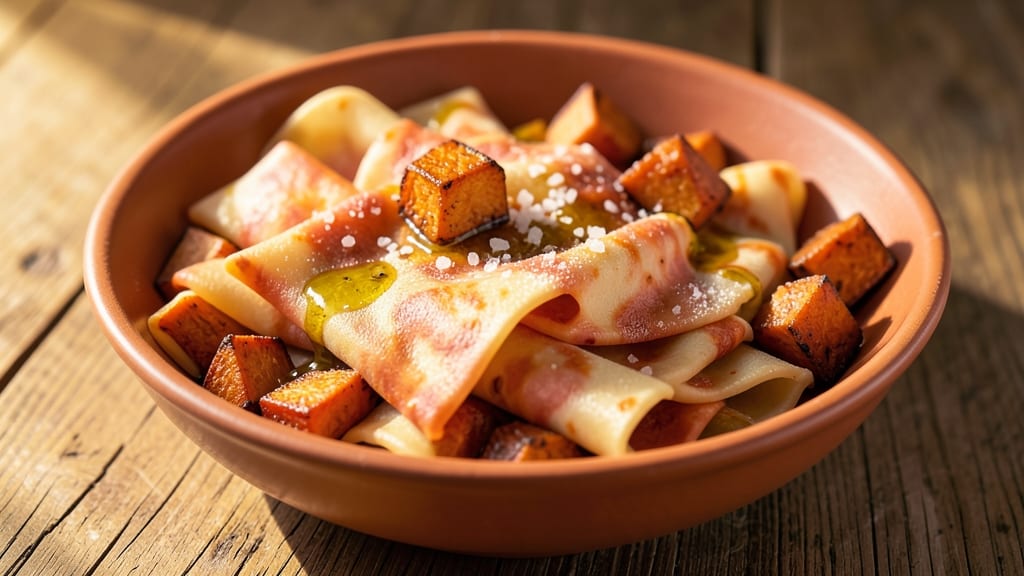
This sweet potato pasta dough recipe transforms humble root vegetables into crispy-edged, nutty-sweet noodles that rival traditional flour-based pasta. The secret lies in blending cooked sweet potatoes with a simple gluten-free flour blend, creating a dough that's both sturdy and tender—perfect for boiling, roasting, or sheet-pan baking.
What makes this recipe stand out is how the natural sweetness of the potato enhances the texture without overpowering the dish, while keeping it entirely plant-based and egg-free.
The process is straightforward: steam or boil the sweet potatoes until tender, then blend them into a smooth purée before mixing with flour, water, and a pinch of salt.
The dough requires minimal resting time (just 20 minutes) before rolling or shaping, making it ideal for both beginners and experienced cooks. Unlike traditional pasta, this version holds its shape beautifully when cooked, delivering that satisfying crispy edge while maintaining a chewy, al dente bite in the center.
Once cooked, these noodles absorb sauces beautifully—toss them with garlic olive oil, marinara, or a creamy vegan pesto for a meal that’s as nutritious as it is delicious. The sweet potato’s natural caramelization during cooking adds a subtle depth of flavor, making every bite feel like a gourmet touch.
Whether you're gluten-free, vegan, or simply looking to elevate your pasta game, this recipe delivers restaurant-quality results with minimal effort.
For best results, use a mandoline or sharp knife to cut the dough into even strands, and cook them al dente—just 2-3 minutes less than traditional pasta. The dough can also be refrigerated for up to 24 hours, making it a versatile addition to your meal prep routine.
Ready to transform your pasta nights? Let’s get started.
Ingredients for sweet potato pasta dough
Nine simple ingredients transform humble sweet potatoes into crispy-edged, nutty-sweet noodles that rival traditional pasta.
| Ingredient | Amount | Notes |
|---|---|---|
| Orange Sweet Potatoes 🍠 | 2 lbs | Medium to large, peeled and cubed |
| White Rice Flour 🌾 | 2 cups | Fine grind for smooth texture |
| Tapioca Starch 🥔 | ½ cup | For elasticity and chewiness |
| Water 💧 | ½ cup | Room temperature preferred |
| Olive Oil 🫒 | 1 tbsp | Extra-virgin for richness |
| Salt 🧂 | ½ tsp | Fine sea salt preferred |
| Nutritional Yeast 🍄 | 2 tbsp | For umami depth and cheesy flavor |
| Ground Black Pepper 🌶️ | ¼ tsp | Freshly ground for best flavor |
| Lemon Juice 🍋 | 1 tbsp | Freshly squeezed for brightness |
Start with the sweet potatoes—organic is best if you're concerned about skin texture, but regular works too. The orange flesh variety gives that signature nutty sweetness, while purple or red sweet potatoes add visual flair. Trader Joe's and Whole Foods carry the best selection of organic sweet potatoes, but your regular grocery store's conventional ones work perfectly. Look for ones that feel heavy for their size, with smooth, unblemished skin. If you're short on time, pre-peeled and cubed sweet potatoes from the fresh produce section save you 10 minutes of work—just rinse them well before cooking.
No rice flour? Bob's Red Mill sells it in bulk, but substitute half with all-purpose flour if needed—though texture will be slightly less tender. Tapioca starch is non-negotiable for that perfect chewiness, but if you're out, arrowroot powder works in a pinch. The nutritional yeast might be new to your pantry—it's the secret weapon for that cheesy, umami punch. Bragg or Bob's Red Mill are the best brands, and it keeps for months in a cool, dark place. For extra flavor, toast the rice flour lightly in a dry pan for 2 minutes before mixing—it adds a subtle nuttiness that takes this dough to the next level.
Once shaped, these noodles keep beautifully—24 hours in the fridge wrapped tightly in plastic, or 3 months in the freezer if you're prepping ahead. For best texture, cook them fresh, but frozen dough can be thawed overnight in the fridge before rolling. The dough itself is stable at room temperature for up to 4 hours if sealed well, making it perfect for meal prep. Store cooked noodles in an airtight container with a splash of olive oil to prevent sticking—trust me, it makes all the difference when reheating.
Why You'll Love This Recipe
- No Boil Needed: I just toss the raw dough in hot oil—no waiting for water to boil or pasta to al dente. The sweet potatoes caramelize right in the pan, giving that natural sweetness without extra sugar.
- Naturally Sweet & Nutty: That first bite? Earthy from the sweet potatoes, lightly crispy from the rice flour, and just enough olive oil to keep it tender. Honestly, it’s like eating a cross between fresh pasta and a buttery cookie—without the guilt.
- Meal Prep Magic: I make a big batch on Sundays, shape it into noodles, and freeze half. Thaw and fry later—perfect for busy nights. (Yes, even on a Tuesday night when takeout feels like a chore.)
- Pantry Staple Power: Rice flour and tapioca starch are cheap, shelf-stable, and way more forgiving than wheat flour. Between us, this dough costs me half what store-bought pasta does, and it’s got way more flavor.
Step-by-step instructions for sweet potato pasta dough
Here's how to create vibrant, nutty-sweet pasta with crispy edges that rival store-bought quality.
Cook the Sweet Potatoes Until Fork-Tender
Preheat your oven to 400°F. Toss the 2 lbs orange sweet potatoes (peeled and cubed) with 1 tablespoon olive oil and ½ teaspoon salt on a rimmed baking sheet. Roast for 25-30 minutes until the edges are golden brown and the cubes collapse easily when pierced with a fork.
This roasting method concentrates the sweet potato's natural sugars, creating that signature caramelized flavor. For even cooking, flip the cubes halfway through. Let them cool slightly before processing—you want them warm but not steaming hot when you blend them.
Blend the Sweet Potatoes with Dry Ingredients
Transfer the roasted sweet potatoes to a food processor fitted with the metal blade. Add the 2 cups white rice flour, ½ cup tapioca starch, 2 tablespoons nutritional yeast, and ¼ teaspoon ground black pepper. Pulse until the mixture resembles coarse crumbs with no visible flour pockets.
The tapioca starch is crucial here—it creates that signature chewiness in the final pasta. Don't skip blending the spices thoroughly; you want even distribution so every bite has that nutty, slightly peppery depth. If your processor struggles, work in batches to avoid overfilling.
Gradually Add Wet Ingredients for Perfect Dough
With the food processor running on low speed, slowly drizzle in the ½ cup room-temperature water and 1 tablespoon lemon juice through the feed tube. Process until the dough begins to pull away from the sides of the bowl and forms a shaggy mass.
This gradual addition prevents gluten formation (which would make the pasta tough) while ensuring the dough binds properly. If it looks too dry, add 1 teaspoon water at a time until it holds together when pressed. The dough should be pliable but not sticky—if it sticks to your fingers, add a bit more rice flour.
Knead and Rest for Optimal Texture
Turn the dough onto a lightly floured surface and knead gently for 2-3 minutes until smooth and elastic. Wrap it tightly in plastic wrap and let it rest at room temperature for 30 minutes. This resting period relaxes the gluten strands, preventing the pasta from shrinking or cracking during rolling.
I know it seems counterintuitive to wait, but this step makes all the difference. The dough will become slightly tacky during resting—that's normal. If it feels too sticky after 30 minutes, chill it for another 15 minutes before rolling. The goal is a dough that's firm enough to handle but still malleable.
Roll and Cut for Perfect Noodles
Set up your pasta machine with the widest setting. Feed the dough through 2-3 times, then gradually reduce the thickness with each pass until you reach 1/8-inch thickness. If the dough tears, let it rest another 10 minutes before continuing.
For crispy edges, dust the rolled sheets with white rice flour before cutting. Cut into your preferred shape using the machine's cutter attachment. Immediately toss the cut pasta with a bit more rice flour to prevent sticking. The flour creates a barrier that helps achieve that beautiful crispy texture when cooked.
Pro Tips For Making Sweet Potato Pasta Dough
- STEAM THE SWEET POTATO: Peel and chop the orange sweet potato into even ½-inch cubes—no need for perfection, just consistency. Toss them in a steamer basket over boiling water for 12-15 minutes until fork-tender (not mushy), then let cool before blending. I learned the hard way that overcooking turns the dough gummy; undercooked bits won’t blend smooth.
- WEIGH THE DRY INGREDIENTS: Skip the eyeballing—rice flour and tapioca starch behave wildly when measured by volume. Use a kitchen scale for 1:1 ratio by weight (e.g., 100g rice flour + 100g tapioca). My first batch turned out gluey because I scooped; now I measure like a pro.
- MIX THE DOUGH BY HAND: Resist the urge to jump straight to the stand mixer—start with a fork or your hands to combine the blended sweet potato, olive oil, and water. The dough will be sticky and weird at first, but kneading it briefly (about 2 minutes) helps the tapioca and rice flour bind properly. I used to overmix and end up with a tough, elastic mess.
- REST THE DOUGH 20 MINUTES: After kneading, cover the dough with plastic wrap and let it sit—yes, even if you’re eager to roll it out. This relaxes the gluten (from the rice flour) and prevents it from shrinking or tearing when you cut it. I skipped this once and spent 10 minutes fighting a stubborn, springy dough. Now I just wait.
Flavor customization for these flavors
Sweet & Spicy Kick
Add 1 teaspoon smoked paprika and ½ teaspoon cayenne pepper to the dough mixture for a smoky, spicy twist. The natural sweetness of the sweet potatoes balances the heat beautifully.
For extra depth, finish with a drizzle of chipotle-honey sauce—mix 1 tablespoon honey with 1 teaspoon chipotle powder and a splash of water. This variation works especially well with roasted veggie bowls or tacos. 🌶️
Herb-Infused Freshness
Fold in 2 tablespoons chopped fresh herbs like basil, parsley, or dill into the dough before rolling. The herbs brighten the earthy sweet potato flavor and add a vibrant pop of color.
For a Mediterranean twist, use sun-dried tomatoes—finely chop ¼ cup and mix into the dough. This variation pairs perfectly with lemon-garlic olive oil or a light tomato sauce. ✨
Nutty Crunch Addition
After cutting the pasta, toss it with ¼ cup toasted pine nuts or walnuts for added texture. The nuts complement the sweet potato's natural nuttiness and add a satisfying crunch. For a richer flavor, toast the nuts with ½ teaspoon cinnamon and a pinch of salt before adding.
This variation elevates the dish to a gourmet level, especially when served with a creamy vegan pesto. 🌰
Citrus Zest Boost
Zest 1 lemon or orange and mix it into the dough for a bright, citrusy kick. The zest enhances the sweet potato's natural sweetness without overpowering it. For a tropical twist, add ½ teaspoon grated ginger—it pairs beautifully with coconut milk-based sauces.
This variation works wonderfully in summer dishes or as a refreshing side with grilled proteins. 🍊
Savory Umami Depth
Boost the umami flavor by adding 1 tablespoon miso paste or 1 teaspoon soy sauce to the dough mixture. The savory notes complement the sweet potato's natural sweetness and create a complex flavor profile.
For an extra layer of depth, sprinkle 1 teaspoon furikake seasoning—a Japanese blend of seaweed, sesame, and bonito flakes—on top before serving. This variation pairs exceptionally well with miso-glazed vegetables or teriyaki sauce. 🍜
Caramelized Onion Sweetness
Add ¼ cup finely chopped caramelized onions to the dough for a sweet, oniony depth. The onions enhance the natural sweetness of the sweet potatoes and add a rich, savory note. For a deeper flavor, use red onions—they caramelize more quickly and have a slightly sweeter taste.
This variation works beautifully in hearty dishes like stews or as a standalone pasta with a balsamic glaze. 🧅
Nutrition facts
Frequently asked questions
Can I substitute regular potatoes for sweet potatoes in this recipe?
No, sweet potatoes are essential for the authentic nutty-sweet flavor and texture. Regular potatoes lack the natural sugars and moisture that create the signature crispy edges and chewy bite. The orange flesh variety is ideal—its vibrant color and sweetness are key to this recipe's success.
How do I fix dough that's too sticky or too dry?
If your dough is too sticky, add 1 tablespoon rice flour at a time until it becomes pliable. For dry dough, gradually add 1 teaspoon water while kneading. The goal is a dough that holds together when pressed but isn't tacky—this usually takes 2-3 minutes of adjustment.
Can I make this dough ahead of time?
Wrap the rested dough tightly in plastic and refrigerate for up to 24 hours. For longer storage, freeze it for 3 months. Thaw overnight in the fridge before rolling. The dough may feel slightly firmer after freezing—let it sit at room temperature for 15 minutes before shaping.
What's the best way to achieve crispy edges?
Dust the rolled dough sheets with rice flour before cutting, then toss the finished noodles with extra flour immediately after cutting. Cook them in boiling salted water for just 1-2 minutes less than traditional pasta—they'll finish cooking from residual heat. For extra crispiness, try sheet-pan roasting at 425°F for 10-12 minutes with olive oil.
Can I use a food processor instead of a pasta machine?
Yes, but with limitations. Roll the dough as thin as possible by hand or with a rolling pin, then cut into strips with a sharp knife. For best results, use a mandoline for even thickness. The pasta machine creates more consistent results, but a food processor works well for blending ingredients.