Desserts
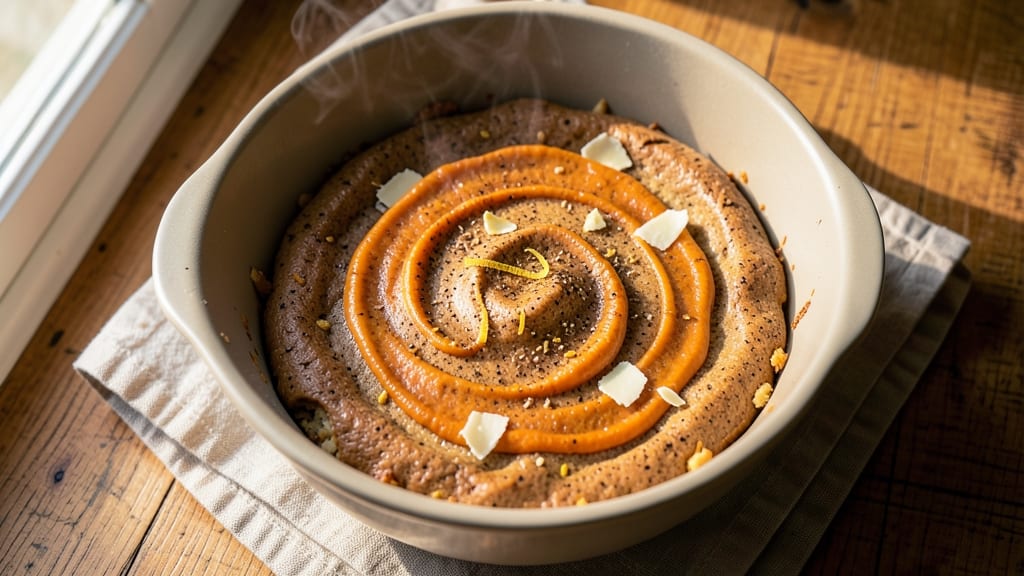
This sweet potato pie dough recipe transforms traditional dessert into something extraordinary—where the crust itself becomes part of the flavor.
The secret lies in blending warm spices with buttery pastry, creating a lattice top that's both decorative and functional, locking in the custardy filling for a perfect balance of texture and sweetness. Every layer delivers that signature autumnal warmth without overpowering the natural sweetness of the sweet potatoes.
The magic happens in the dough's spiced butter layer, which infuses the crust with cinnamon, nutmeg, and a touch of ginger—subtle enough to complement the filling but bold enough to stand on its own.
Unlike standard pie crusts, this version bakes to a golden, slightly crispy finish while maintaining enough tenderness to contrast the creamy filling underneath. The lattice pattern not only looks impressive but also ensures even baking and a satisfying crunch with every bite.
What sets this recipe apart is the foolproof technique for achieving a flaky, buttery crust that doesn't turn soggy, even when filled with rich sweet potato custard.
The dough requires just 30 minutes of prep time and rests overnight for maximum flavor development, making it ideal for holiday baking or special occasions. Once baked, the aroma alone will have everyone anticipating dessert before the first slice is served.
The result is a pie that's as beautiful as it is delicious—golden lattice crust, perfectly set filling, and a texture that's crisp on top and tender at the edges.
Serve warm with a dollop of whipped cream or a drizzle of caramel for the ultimate comfort dessert. Here's how to make it happen.
Ingredients for sweet potato pie dough
This spiced lattice crust transforms ordinary pie dough into a flavorful centerpiece.
| Ingredient | Amount | Notes |
|---|---|---|
| All-Purpose Flour 🌾 | 2 ½ cups | Sifted for flakiness |
| Unsalted Butter 🧈 | 1 cup | Cold, cubed (not softened) |
| Granulated Sugar 🍚 | ¼ cup | Lightly packed |
| Ground Cinnamon 🌿 | 1 ½ tbsp | Freshly ground preferred |
| Ground Nutmeg 🌿 | ½ tsp | Freshly grated for warmth |
| Ground Ginger 🌶️ | ½ tsp | For subtle spice depth |
| Salt 🧂 | ½ tsp | Diamond Crystal preferred |
| Ice Water 💧 | ½ cup | Chilled for crisp texture |
| Sweet Potato Puree 🍠 | ½ cup | Unsweetened, smooth |
| Large Egg Yolk 🥚 | 1 whole | For binding richness |
| Vanilla Extract 🌸 | ½ tsp | Pure, high-quality |
The butter is non-negotiable—European-style unsalted like Plugrá or Bergère delivers the best flavor and flakiness. Look for blocks, not tubs, and keep it cold until mixing. The sweet potato puree should be smooth with no lumps—canned Libby's works in a pinch, but homemade roasted puree adds depth. For the spices, Penzeys or bulk bins ensure freshness; pre-ground spices lose potency quickly. The cinnamon should be the star here—Ceylon cinnamon if you want a milder, sweeter note, or cassia for classic warmth.
No sweet potato puree? Mashed roasted sweet potatoes work, but strain out any chunks. Short on butter? Coconut oil can substitute, though it won't be as flaky. The egg yolk is essential—it binds the dough without making it tough. For a dairy-free version, replace butter with vegan butter (like Miyoko's) and use flax eggs (1 tbsp ground flax + 3 tbsp water). The vanilla extract should be pure—Nielsen-Massey or McCormick Pure are reliable brands. If you're making the lattice, keep the dough chilled until rolling to prevent sticking.
This dough requires overnight resting in the fridge for optimal texture. Wrap tightly in plastic wrap and refrigerate for 12-24 hours—this develops the flavor and prevents shrinking. Once baked, the lattice crust stays fresh at room temperature for 2 days or can be frozen for 3 months. Reheat slices in a 350°F oven for 5-10 minutes to restore crispness. Store leftovers in an airtight container with a piece of bread to absorb moisture.
Why You'll Love This Recipe
- No-Fuss Mixing: I swear by this dough—just flour, butter, sugar, and a pinch of cinnamon. No rolling, no fuss, no stress. The butter stays cold, the dough stays soft, and it comes together faster than I can say "pie night."
- Spiced Magic: That nutmeg and cinnamon combo? It’s like autumn in your mouth. The sugar caramelizes just enough to give it a subtle sweetness, but the warmth of the spices keeps it from being cloying—more like a hug than dessert.
- Pie or Pastry: Use it for pie, sure, but also turn it into hand pies, twists, or even a crust for savory dishes. The dough’s buttery richness plays well with sweet or savory fillings, and it’s my go-to for last-minute gatherings.
- Budget-Friendly Staple: Flour, butter, sugar—these are pantry basics. I make this dough all the time, and it keeps well for weeks in the fridge. A little goes a long way, and I’ve never once regretted having extra on hand.
Step-by-step instructions for sweet potato pie dough
This spiced lattice crust delivers buttery layers with warm sweet potato flavor—perfect for pies.
Mix Dry Ingredients for Flaky Texture
In a large mixing bowl, combine the 2.5 cups all-purpose flour, 1.5 tablespoons ground cinnamon, 0.5 teaspoon ground nutmeg, 0.5 teaspoon ground ginger, 0.5 teaspoon salt, and 0.25 cup granulated sugar. Whisk gently to distribute the spices evenly through the flour. The cinnamon will give a warm aroma, while the nutmeg and ginger add subtle depth.
I sift the flour first to eliminate any lumps, which prevents dense dough. Use a whisk for the dry ingredients to avoid developing gluten—this keeps the crust tender. The sugar helps create a delicate balance of sweetness that complements the sweet potato filling later.
Cut in Cold Butter for Crisp Layers
Add the 1 cup cold, cubed unsalted butter to the dry mixture. Using a pastry cutter or two forks, work the butter into the flour until the mixture resembles coarse crumbs with pea-sized butter pieces. The butter should remain cold—this is crucial for flaky layers. If the mixture starts to look pasty, return it to the refrigerator for 5 minutes to firm up.
I press down firmly on the butter pieces with my fingers to ensure even distribution. This step creates the signature flaky texture in baked goods. Don't overwork the mixture—just until the butter is evenly dispersed. The cold butter will melt during baking, creating those beautiful air pockets that make the crust crisp.
Add Wet Ingredients for Cohesive Dough
In a separate small bowl, whisk together the 0.5 cup sweet potato puree, 1 whole large egg yolk, 0.5 teaspoon vanilla extract, and 0.5 cup ice water. The sweet potato puree adds natural sweetness and moisture, while the egg yolk provides binding. The ice water keeps the dough cool and prevents overdevelopment.
Gradually pour the wet mixture into the dry ingredients while stirring gently with a fork. Mix just until the dough comes together—it should hold when pressed but still feel slightly shaggy. Avoid overmixing, which can make the crust tough. If the dough feels too dry, add 1 teaspoon more ice water; if too sticky, chill for 10 minutes before proceeding.
Chill and Roll for Perfect Crust
Divide the dough into two equal portions and flatten each into a disk. Wrap tightly in plastic wrap and refrigerate for at least 1 hour or up to 24 hours. Chilling relaxes the gluten and firms up the dough, making it easier to handle. The longer it rests, the better the texture—this is where patience pays off.
When ready to use, roll out one disk on a floured surface to a 12-inch circle, about ⅛-inch thick. The dough should be cold and firm—if it's too soft, return it to the refrigerator for 15 minutes. Use a bench scraper to transfer the dough to your pie dish, gently pressing it into the bottom and up the sides. The sweet potato flavor will infuse the crust as it bakes, creating a harmonious base for your filling.
Pro Tips For Making Sweet Potato Pie Dough
- Cut Butter Cold: Take your butter straight from the fridge—no thawing, no softening. Cold butter creates flaky layers in the dough, and skipping this step means you’ll end up with a dense, greasy mess instead of that perfect crumb. Trust me, your pie crust will thank you.
- Weigh Your Flour: Scooping flour from the bag packs in air, which makes your dough dry and tough. Use a kitchen scale for precision—aim for 1 cup minus 2 tablespoons (about 120g) of all-purpose flour. This keeps the texture light and buttery without overworking it.
- Skip the Overmixing: Once the butter and flour come together, stop mixing the second you see pea-sized crumbs forming. Overworking the dough develops gluten, which turns your crust into a chewy, sad excuse for pie dough. A few gentle folds are all it takes.
- Toast Your Spices: Warm your cinnamon and nutmeg in a dry skillet over low heat for 30 seconds—just until fragrant. This banishes any bitterness and deepens their flavor. Cold spices can taste flat, and this tiny step makes a real difference in the finished pie.
Dietary considerations for sweet potato pie dough
Gluten-Free Adaptations
For a gluten-free version, swap the all-purpose flour with a 1:1 gluten-free flour blend like King Arthur Measure for Measure or Bob's Red Mill. Add ½ teaspoon xanthan gum to improve texture and binding.
Keep the butter cold and handle the dough gently—gluten-free dough is more delicate. Chill for 30 minutes extra to prevent cracking when rolling. 🌾
Dairy-Free Options
Replace the unsalted butter with vegan butter like Miyoko's or Earth Balance. For extra richness, use ½ cup coconut oil chilled until firm. Substitute the egg yolk with 1 flax egg (1 tbsp ground flaxseed + 3 tbsp water).
The dough will be slightly less flaky but still delicious. Test for saltiness—vegan butters vary in sodium content.
Lower-Sugar Versions
Reduce the granulated sugar to ¼ cup or omit entirely. Boost natural sweetness with ½ cup mashed roasted sweet potatoes (no added sugar). Add 1 tsp maple syrup to the wet ingredients for depth.
The crust will be subtly sweet but still flavorful. Pair with a lightly sweetened filling for balance.
Nut-Free Considerations
This dough is naturally nut-free, but always check labels on ingredients like vanilla extract or sweet potato puree for cross-contamination warnings. Use certified nut-free brands if needed. Store ingredients in sealed containers to prevent accidental exposure to allergens.
The sweet potato puree can be made at home by roasting peeled sweet potatoes and blending with water.
Egg-Free Binding
Replace the egg yolk with 1 tbsp ground flaxseed + 3 tbsp water (let sit for 5 minutes to thicken). For extra binding, add 1 tsp cornstarch to the dry ingredients. The dough may require 1-2 extra tablespoons ice water to hold together.
Chill for 45 minutes before rolling to ensure firmness. The texture will be slightly denser but still hold its shape beautifully. 🥚
Nutrition facts
Frequently asked questions
Can I make this dough without sweet potato puree?
Yes! Substitute ½ cup unsweetened applesauce or ½ cup pumpkin puree for the sweet potato. Both work well for moisture and subtle sweetness. For a neutral flavor, use ½ cup mashed roasted butternut squash instead. The texture will be slightly denser but still delicious when baked.
Why does my dough turn out tough instead of flaky?
Overworking the dough or using warm butter are the most common causes. Keep everything cold—including your hands—and mix just until combined. Avoid handling the dough more than necessary when rolling. If the butter melts during mixing, return the dough to the fridge for 10 minutes before proceeding.
How do I prevent the lattice from burning while baking?
Brush the lattice strips with egg wash (1 egg yolk + 1 tbsp water) before baking for even browning. Place a sheet of aluminum foil under the lattice if your oven runs hot. Bake at 375°F (not higher) and check frequently after 20 minutes. Rotate the pie halfway through for even heat distribution.
Can I make this dough ahead of time?
This dough actually benefits from resting. Wrap tightly in plastic and refrigerate for up to 48 hours or freeze for 3 months. Thaw overnight in the fridge before using. The longer it rests, the more flavor develops and the easier it is to handle. Label with the date to track freshness.
What's the best way to store leftover pie crust?
Store baked crust in an airtight container at room temperature for 2 days or freeze for 3 months. To refresh, sprinkle with water and bake at 350°F for 5-10 minutes until crisp again. For unbaked dough, wrap tightly and refrigerate for 3 days or freeze for 3 months. Let frozen dough thaw in the fridge before rolling.