Side Dishes
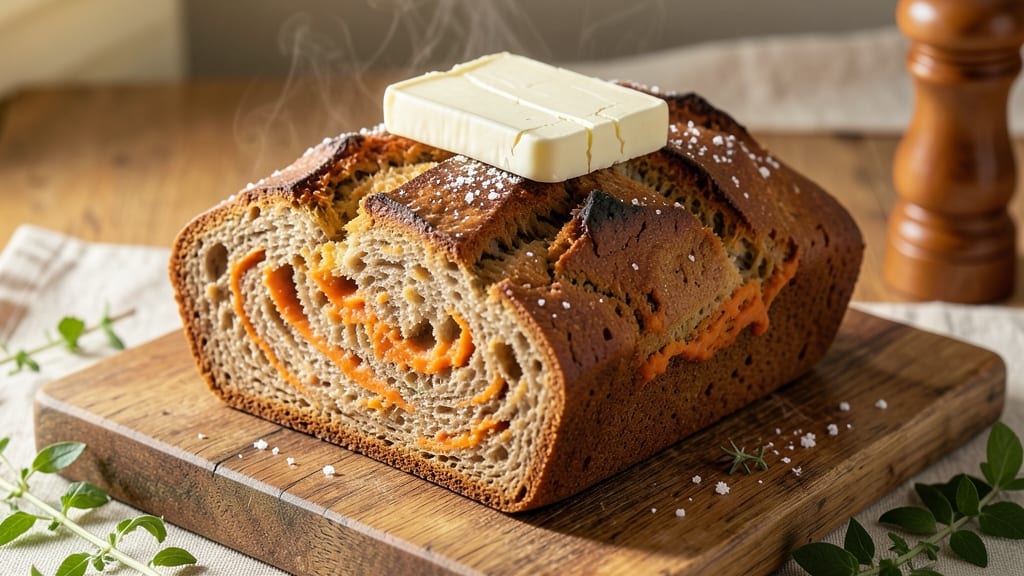
This sweet potato sourdough bread recipe transforms humble ingredients into a loaf with golden crust, tender crumb, and a subtle sweetness that lingers in every bite. The secret? Roasted sweet potato puree—naturally sweet, vibrant, and packed with moisture that creates a bread with depth and structure. I developed this recipe after years of baking sourdough, searching for the perfect way to incorporate vegetables without sacrificing texture or flavor.
The process begins with a robust sourdough starter, which provides the signature tang and chew you expect from artisanal bread. Sweet potato puree replaces some of the water in the dough, adding natural sweetness and moisture while enhancing the bread's nutritional profile.
The dough is shaped, proofed, and baked with steam to create that coveted crispy crust and open crumb structure.
What you'll end up with is a loaf that's perfect for breakfast toast, sandwiches, or simply enjoyed on its own with butter or olive oil. The sweet potato adds a subtle caramelized note that pairs beautifully with the sourdough's tang, while the crust remains perfectly crisp.
This recipe is ideal for those who want to experiment with natural sweeteners and hidden vegetables in their bread.
Whether you're a seasoned baker or new to sourdough, this recipe delivers a satisfying result with minimal fuss. The sweet potato puree is easy to prepare, and the dough follows a straightforward process that yields a loaf with restaurant-quality texture.
Let's get started on creating this warm, spiced, and deeply flavorful bread.
Ingredients for sweet potato sourdough bread
These twelve ingredients create a loaf with restaurant-quality texture and subtle sweetness.
| Ingredient | Amount | Notes |
|---|---|---|
| Orange Sweet Potatoes 🍠 | 2 lbs | Organic preferred for vibrant color |
| Active Sourdough Starter 🍞 | 2 cups | 100% hydration, bubbly and active |
| All-Purpose Flour 🌾 | 4 cups | Bread flour preferred for structure |
| Unsalted Butter 🧈 | ½ cup | Cold, cubed for easier mixing |
| Granulated Sugar 🍚 | ¼ cup | Light brown sugar for depth |
| Active Dry Yeast 🍄 | ¼ oz | 2 tsp equivalent, proofed first |
| Sea Salt 🧂 | 1 ½ tsp | Diamond Crystal preferred |
| Ground Cinnamon 🌿 | 1 tsp | Freshly ground for aroma |
| Ground Nutmeg 🌶️ | ¼ tsp | Freshly grated for warmth |
| Extra-Virgin Olive Oil 🫒 | ¼ cup | For dough and crust brushing |
| Water 💧 | 1 ½ cups | Room temperature preferred |
| Cornmeal 🌽 | ½ cup | For dusting proofing basket |
The sweet potatoes are non-negotiable for this recipe—organic orange varieties from Whole Foods or local farmers markets yield the most vibrant flavor and moisture. Roast them until tender, then puree until completely smooth, discarding any fibrous bits. Kingville or Beauregard types work best, but any orange-fleshed sweet potato will do. For optimal texture, avoid russet or pie varieties—they lack the natural sweetness and moisture needed for the bread's structure. If you're short on time, canned sweet potato puree (unsweetened) can substitute, though fresh-roasted delivers superior depth.
No sourdough starter? Instant yeast at double the amount works in a pinch, though the flavor won't be identical. The flour choice matters—bread flour's higher protein content creates better gluten structure, but all-purpose will work if that's what you have. Substituting butter with vegan butter or coconut oil keeps it vegetarian, though texture may vary slightly. For the spices, Penzeys or Spicewalla offer the freshest ground cinnamon and nutmeg, but regular grocery store brands work fine. The olive oil should be extra-virgin with noticeable peppery notes—it enhances the crust's flavor significantly.
Store the roasted sweet potato puree in an airtight container in the fridge for up to 5 days or freeze for 3 months. The sourdough starter should be maintained separately—feed it daily if using within a week. For best results, prepare the dough the night before and let it ferment in the fridge overnight, which enhances flavor development. The baked loaf keeps well at room temperature for 3 days wrapped in a clean kitchen towel, or freeze slices for up to 3 months in a sealed bag.
Why You'll Love This Recipe
- No Peel Required: I roast the sweet potatoes whole—just score the skin, toss in oil, and bake until tender. No knife work, no mess, and that caramelized orange sweetness? It’s the star without any extra effort.
- Buttery Sweet Magic: The butter and sugar blend into the dough like a hug—rich, slightly sweet, but not cloying. Every bite has that deep sourdough tang balanced by the warm, velvety sweet potato. (Yes, even my kid who hates bread asks for seconds.)
- Breakfast to Snack: I slice it thick for French toast on weekends, toast it thin for a quick breakfast, or pack it in lunchboxes. The sourdough starter keeps it fresh for days, so it’s always there when I need it—no last-minute store runs.
- Budget-Friendly Staple: Sweet potatoes and flour stretch this recipe far, and the sourdough starter means no yeast to buy. A single batch feeds my family for days, and the leftovers? Perfect for croutons, breadcrumbs, or even a quick toast when I’m too tired to cook.
Step-by-step instructions for sweet potato sourdough bread
Transform vibrant orange sweet potatoes into a fragrant, spiced loaf with a crisp crust and moist crumb.
Prepare the Sweet Potato Purée
Preheat your oven to 400°F. Pierce the 2 lbs orange sweet potatoes with a fork and microwave for 8-10 minutes until fork-tender. The skin should wrinkle slightly, and the flesh should yield easily when pressed with your finger. Alternatively, roast whole for 45-50 minutes until soft.
Transfer the sweet potatoes to a mixing bowl and let cool for 5 minutes. Using a potato masher or fork, mash until completely smooth. The purée should be lump-free and vibrant orange in color. Strain through a fine-mesh sieve if needed to remove any stubborn fibers. Set aside to cool completely before using—this prevents the dough from becoming too warm and slowing yeast activity.
Mix the Dough Components
In a large mixing bowl, combine the 2 cups active sourdough starter, 1.5 cups water, and 0.25 cup granulated sugar. Whisk until the sugar fully dissolves. Add the cooled sweet potato purée and mix until smooth. The mixture should be slightly sticky but manageable.
In a separate bowl, whisk together the 4 cups all-purpose flour, 1.5 tsp sea salt, 1 tsp ground cinnamon, and 0.25 tsp ground nutmeg. Gradually add the dry ingredients to the wet mixture, stirring with a wooden spoon until a shaggy dough forms. The spices will infuse the dough with warm, aromatic notes that complement the sweet potatoes beautifully.
Incorporate Fat and Knead
Cut the 0.5 cup cold unsalted butter into small cubes and add them to the dough. Using your hands, gently work the butter into the dough until fully incorporated. The butter should be evenly distributed but still visible in small flecks—this creates pockets of flavor and tenderness.
Transfer the dough to a lightly floured surface and knead for 8-10 minutes until smooth and elastic. The dough should pull away from the sides of the bowl and spring back when pressed gently. If the dough feels too sticky, add 1 tablespoon flour at a time until it reaches the right consistency. Avoid over-kneading, as this can develop too much gluten and make the bread dense.
First Rise and Shaping
Lightly oil a large mixing bowl and place the dough inside. Cover with a damp kitchen towel and let rise in a warm place for 1.5-2 hours, or until the dough has doubled in size. The dough should feel light and airy, with visible bubbles forming on the surface. If the kitchen isn't warm enough, place the bowl near a turned-off oven with the light on to create a gentle heat source.
Once the dough has risen, punch it down gently to release the air. Shape the dough into a round loaf by pulling the edges toward the center and tucking them underneath. Place the loaf seam-side up in a greased 9x5-inch loaf pan, brushing the top with 0.25 cup extra-virgin olive oil to create a glossy, flavorful crust. Sprinkle a pinch of sea salt and cinnamon over the top for added depth.
Proof and Bake to Perfection
Cover the loaf pan with a damp towel and let the dough proof for another 1-1.5 hours until it has risen about 1 inch above the rim of the pan. The dough should feel firm but still slightly springy to the touch. Preheat your oven to 375°F while the dough proofs.
Bake the loaf for 45-50 minutes until the top is deep golden brown and the internal temperature reaches 205°F. Tap the loaf gently—it should sound hollow when done. If the top browns too quickly, tent the loaf with aluminum foil to prevent over-browning. Let the bread cool in the pan for 10 minutes before transferring to a wire rack to cool completely. The crust will firm up as it cools, creating that perfect contrast with the moist interior.
Pro Tips For Making Sweet Potato Sourdough Bread
- Roast Until Sticky: Peel and chop your sweet potatoes into ½-inch cubes, then roast them at 400°F (200°C) until they’re soft and caramelized—about 25-30 minutes. The moment they start sticking to your fork is when they’re ready; resist the urge to overcook, or you’ll end up with a dry, gummy mash that’ll make your bread dense.
- Feed Starter First: Your sourdough starter should be at its peak—fed 4-6 hours before using, with equal parts flour and water. A sluggish starter means weak fermentation, and your bread will taste flat. If it’s slow, bump up the temperature to 75°F (24°C) and give it an extra hour to wake up.
- Dissolve Sugar Fully: Mix the granulated sugar into the warm sweet potato puree before adding it to the dough—don’t just sprinkle it in. Sugar that stays granular will create uneven pockets of sweetness and slow fermentation. Stir until it’s completely dissolved, or your bread might rise unevenly.
- Shape Tight, Rest Long: Roll the dough into a tight log, tucking the ends under to seal it—this keeps the shape intact during proofing. Let it rest uncovered for 30 minutes at room temp before baking; the crust will develop better, and you’ll avoid a sad, collapsed loaf. (Yes, even if you’re impatient like me.)
Creative variations of this sweet potato sourdough bread
Pumpkin Spice Twist
Swap out the cinnamon and nutmeg for a pumpkin spice blend—just 1.5 tsp—and add ¼ cup pumpkin puree to the dough. The extra moisture keeps the crumb ultra-tender, while the spices bring autumnal warmth.
I love using Burlap & Barrel pumpkin spice for that perfect balance of cinnamon, ginger, and clove. 🍂
Chocolate Chip Sweetness
For a dessert-style loaf, fold in ½ cup chocolate chips (I prefer Enjoy Life brand for allergy-friendly baking) during the final kneading stage. The sweet potato’s natural sugars caramelize beautifully with the chocolate, creating pockets of gooey goodness.
Keep the dough slightly cooler than usual to prevent melting—work quickly and use a spatula to distribute the chips evenly. 🍫
Herbed Garden Loaf
Infuse the dough with 1 tbsp fresh rosemary and 1 tbsp fresh thyme, finely chopped, along with the spices. The herbs add an earthy contrast to the sweet potatoes, making this perfect for savory toast or sandwiches.
I recommend using organic herbs from Whole Foods for the brightest flavor. Brush the baked loaf with garlic-infused olive oil for extra depth. 🌿
Everything Bagel Seasoning
Create a savory-sweet hybrid by sprinkling 1 tbsp everything bagel seasoning (look for Trader Joe’s or Schwartz’s for quality) on the dough before the final proof. The sesame seeds, poppy seeds, and garlic add a crunchy, savory element that pairs surprisingly well with the sweet potato’s natural sweetness.
Bake as directed, then finish with a sprinkle of flaky sea salt. 🧂
Gluten-Free Adaptation
Replace the all-purpose flour with a 1:1 gluten-free flour blend (like King Arthur Measure for Measure) and add ½ cup vital wheat gluten to improve texture. The sweet potato purée helps compensate for the lack of gluten structure.
Expect a slightly denser crumb, but the flavor remains rich and satisfying. Let the dough rest an extra 30 minutes before shaping to hydrate the blend properly. 🌾
Make-Ahead Holiday Loaf
For a festive touch, shape the dough into a freeform round instead of a loaf pan. Brush with egg wash (or olive oil for vegan) and sprinkle with coarse sugar before baking.
The sweet potato’s caramel notes shine during the holidays, and the open crumb structure makes it perfect for serving with butter or jam. Store baked loaves in the freezer for up to 3 months—just thaw overnight for freshness. 🎄
Nutrition facts
Frequently asked questions
Can I substitute canned sweet potato puree instead of fresh?
Yes, but fresh-roasted puree delivers the best flavor and texture. For canned, use 1 cup unsweetened puree (about half the recipe's fresh amount) and reduce water by 0.5 cups to maintain proper hydration. Canned versions often contain added salt or sugar, so taste before using. Fresh roasted puree adds vibrant color and natural sweetness that canned can't match.
Why does my sourdough starter need to be active?
An active starter with visible bubbles ensures proper fermentation and flavor development. Look for a starter that doubles in size within 4-6 hours after feeding. If yours is sluggish, feed it 1:1:1 (flour:water:starter) by weight 12-24 hours before baking. Cold temperatures slow fermentation—bring your starter to 70-75°F for optimal activity.
How do I know when the bread is fully baked?
Use three methods: internal temperature should reach 205°F, the crust should be deep golden brown, and tapping the bottom should sound hollow. If unsure, bake 5-10 minutes longer—underbaked bread continues cooking as it cools. For extra assurance, insert a thermometer into the center. The sweet potato adds moisture, so watch for steam in the oven window as a final indicator.
Can I make this bread without a loaf pan?
Shape the dough into a freeform boule or batard. For a boule, create a tight round with the seam on bottom. For a batard, form an oval log. Place on a parchment-lined baking sheet, brush with olive oil, and sprinkle with seeds or coarse salt. Bake at 375°F for 35-40 minutes, rotating halfway. The crust will be more rustic but equally delicious.
What if my dough feels too sticky?
Add flour 1 tablespoon at a time while kneading until the dough pulls away cleanly from your hands. For extra insurance, chill the dough for 30 minutes before shaping—this firms up the gluten. If using bread flour, you may need slightly less flour than all-purpose. The sweet potato purée adds moisture, so expect a stickier dough than traditional sourdough.