Side Dishes
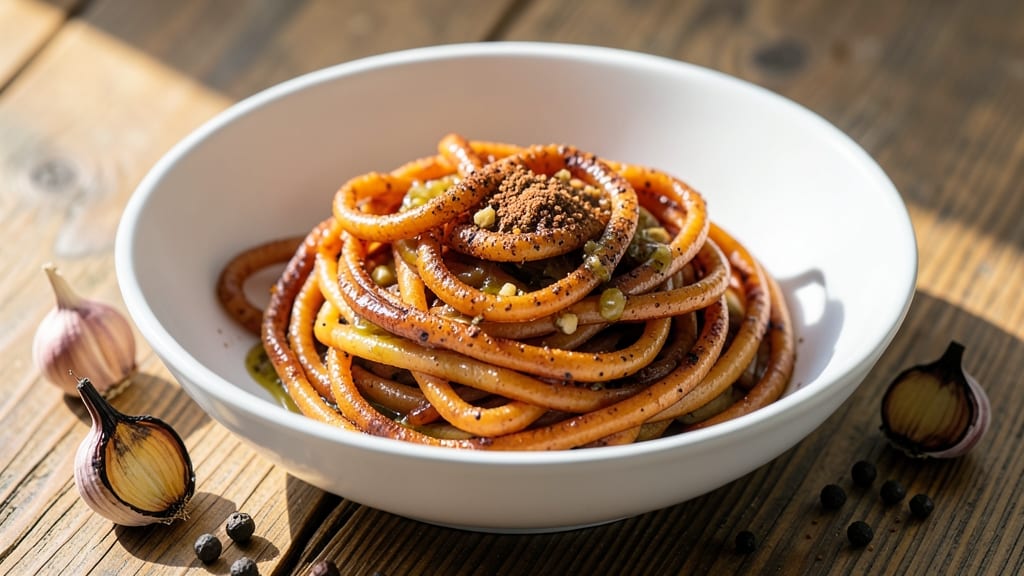
This sweet potato spaghetti recipe transforms humble sweet potatoes into a crunchy, satisfying pasta alternative that rivals traditional noodles. The secret lies in spiralizing fresh sweet potatoes and roasting them to perfect al dente texture—naturally sweet, slightly crispy edges, and tender centers that hold up beautifully to sauces.
I first discovered this technique while searching for vegan-friendly sides that could stand alone as a main dish, and it quickly became a staple in my meal rotation.
The beauty of sweet potato spaghetti is its versatility and simplicity—no special equipment beyond a spiralizer (or even a sharp knife), and minimal prep time. Roasting at high heat caramelizes the natural sugars, creating a rich, nutty flavor that pairs perfectly with garlic, olive oil, or vegan pesto.
Unlike traditional pasta, this dish delivers bold color, natural sweetness, and a satisfying bite in every forkful.
What makes this recipe truly special is how it elevates everyday meals without sacrificing nutrition or flavor. The sweet potatoes provide fiber, vitamins, and a comforting texture that feels familiar yet exciting.
Whether tossed with marinara, drizzled with tahini, or served with a simple lemon-garlic dressing, this dish proves that plant-based meals can be equally hearty and delicious as their traditional counterparts.
Ready in just 30 minutes, this recipe is perfect for weeknight dinners, meal prep, or impressing guests with a unique, vibrant side that doubles as a main. The best part? No boiling water or draining pasta—just one-pan roasting for effortless cleanup. Let’s get started!
Ingredients for sweet potato spaghetti
Transform ordinary sweet potatoes into vibrant, crunchy spaghetti with just 12 ingredients—no pasta here!
| Ingredient | Amount | Notes |
|---|---|---|
| Large Sweet Potatoes 🍠 | 3 whole | Orange-fleshed, firm variety |
| Extra-Virgin Olive Oil 🫒 | ¼ cup | High-quality, fruity variety |
| Garlic Cloves 🧄 | 3 cloves | Freshly minced for flavor |
| Sea Salt 🧂 | 1 ½ tsp | Diamond Crystal preferred |
| Ground Black Pepper 🌶️ | ½ tsp | Freshly cracked for heat |
| Smoked Paprika 🌶️ | ½ tsp | For subtle smoky depth |
| Nutritional Yeast 🧀 | 2 tbsp | For cheesy, umami flavor |
| Lemon Juice 🍋 | 1 tbsp | Freshly squeezed for brightness |
| Fresh Basil Leaves 🌿 | ¼ cup | Chopped for garnish |
| Vegan Parmesan Cheese 🧀 | ¼ cup | Store-bought or homemade |
| Red Pepper Flakes 🌶️ | ½ tsp | Optional for heat lovers |
| Fresh Rosemary 🌿 | 1 tbsp | Chopped, for aromatic touch |
The sweet potatoes are the star—opt for firm, unblemished orange-fleshed varieties like Beauregard or Jewel. Whole Foods bulk bins or Trader Joe's carry perfect ones year-round. If using a spiralizer, medium thickness (about 1/4-inch) gives that ideal al dente bite. For the garlic, freshly minced makes all the difference—pre-minced jars taste flat. The nutritional yeast adds that cheesy depth without dairy, and Bob's Red Mill brand is my go-to for consistent flavor. Don't skip the rosemary—it adds an unexpected earthy note that elevates everything.
No spiralizer? A sharp knife and steady hand work just fine—just cut lengthwise into thin strips. Running out of nutritional yeast? White miso paste at half the amount gives similar umami punch. The smoked paprika can be swapped for regular paprika if you're avoiding smoke, but it's worth hunting down for that subtle depth. For extra crunch, toss the finished spaghetti with toasted pumpkin seeds or crushed red pepper flakes. And if you're feeling fancy, drizzle with a mix of tahini and lemon juice instead of olive oil for a Middle Eastern twist.
Roasted sweet potatoes keep their texture best at room temperature for up to 2 hours, so assemble your dish just before serving. Store leftovers in an airtight container for 4-5 days in the fridge—they reheat beautifully in a dry pan or oven. For freezing, portion into single servings and freeze for up to 3 months. Pro tip: Toss with a little extra olive oil before freezing to prevent drying. The basil and rosemary should be added fresh right before serving—trust me, they make all the difference in that final bite.
Why You'll Love This Recipe
- I swear by this trick: just roast the sweet potatoes whole, then slice them into "spaghetti" after. No peeling, no knife drama—just scrub, roast, and shred. That golden crust? Pure magic with zero effort.
- One word: crispy. Those roasted garlic cloves pressed into the olive oil while the sweet potatoes bake? The aroma alone makes me weak. It’s like a hug for your taste buds, and honestly, it’s the only way I’ll eat garlic now.
Step-by-step instructions for sweet potato spaghetti
Transform humble sweet potatoes into silky, noodle-like strands with this game-changing technique.
Prep and Roast the Sweet Potatoes
Preheat your oven to 425°F and line a baking sheet with parchment paper. Pierce each of the 3 whole large sweet potatoes with a fork in several places—this prevents them from exploding while roasting. Rub them generously with 0.25 cup extra-virgin olive oil and season with 1.5 tsp sea salt, 0.5 tsp ground black pepper, and 0.5 tsp smoked paprika.
Place the potatoes directly on the baking sheet (no need for a rack) and roast for 45-50 minutes, turning halfway through, until they're tender when pierced with a knife and the skin is deep golden brown. Let them cool slightly before handling—they'll be extremely hot. This roasting step develops their natural sweetness while creating the perfect texture for shredding.
Shred and Cook the Sweet Potato "Noodles"
Once cool enough to handle, slice the potatoes lengthwise and scoop out the flesh, discarding the skins. Transfer the flesh to a food processor fitted with the shredding disk. Pulse until you achieve thin, spaghetti-like strands—about 3-4 pulses should do it. You want strands that resemble traditional spaghetti in thickness, not fine matchsticks.
Transfer the shredded sweet potato to a large skillet over medium heat and cook for 5-7 minutes, stirring occasionally, until the edges begin to soften slightly but still maintain a slight bite. This step prevents the noodles from turning mushy while developing their signature al dente texture. Keep the heat medium—too high will burn the edges before the centers cook through.
Build the Flavorful Garlic Oil
In the same skillet (no need to clean it—those sweet potato bits are flavor gold), add 0.25 cup extra-virgin olive oil and heat over low heat. Add the 3 minced garlic cloves and 1 tbsp chopped fresh rosemary, cooking for 1-2 minutes until the garlic is fragrant but not browned. This gentle cooking preserves their delicate flavors rather than burning them.
Remove the skillet from heat and stir in 2 tbsp nutritional yeast, 1 tbsp lemon juice, and 0.5 tsp red pepper flakes (if using). The nutritional yeast adds that signature cheesy depth while the lemon brightens the dish. Let the mixture sit for 1 minute to allow the flavors to meld—you'll notice the aroma become more complex and inviting.
Combine and Finish with Fresh Herbs
Return the skillet to low heat and add the cooked sweet potato strands. Toss everything together for 2-3 minutes until the strands are evenly coated in the garlic oil. The residual heat will finish cooking the noodles slightly while absorbing all those incredible flavors. Here's where it gets fun—taste and adjust seasoning with additional sea salt or lemon juice as needed.
Remove from heat and stir in the 0.25 cup chopped fresh basil leaves and 0.25 cup vegan parmesan cheese. The basil adds a fresh, peppery contrast to the sweet potatoes, while the vegan parmesan ties everything together with a salty, umami richness. Garnish with additional chopped rosemary if desired, and serve immediately while the strands maintain their perfect texture.
Pro Tips For Making Sweet Potato Spaghetti
- BOIL THEM WHOLE: Sweet potatoes cook faster and more evenly when left unpeeled—skip the peeling entirely. The skin protects the flesh from breaking down into mush, and you’ll end up with strands that hold their shape. Just scrub them clean first (no need to peel later).
- SALT THE WATER LIKE THE SEA: Use a full tablespoon of salt per gallon of water—this isn’t a suggestion. Sweet potatoes absorb flavor, and under-salted water means bland, sad spaghetti. Taste the water before adding them; it should taste like the ocean.
- REST BEFORE SHREDDING: Pull the potatoes out of the boiling water and let them sit for 5 minutes before peeling or shredding. This evens out the heat, makes them easier to handle, and prevents the strands from turning to glue when you start cutting.
- HIGH HEAT, LOW TIME: Sauté the garlic in olive oil over medium-high heat until it’s golden but not burned—about 30 seconds. Too low, and you’ll get bitter garlic; too high, and it’ll scorch before the sweet potatoes even hit the pan. Keep the heat steady and move fast.
Troubleshooting this recipe
Overcooked Noodles
If your sweet potato strands turn mushy instead of al dente, you likely overcooked them. This happens when you cook them too long at high heat or don’t stir frequently enough.
To fix it, reduce the heat to low-medium and cook for just 5-7 minutes, stirring every 1-2 minutes. The goal is tender but still firm strands—like perfect al dente pasta.
If already mushy, try tossing with a splash of lemon juice or olive oil to brighten the flavor and improve texture. 💡
Uneven Cooking
Uneven cooking often happens when the sweet potato strands aren’t evenly distributed in the pan. To avoid this, spread them out in a single layer before cooking and stir frequently. If some strands are undercooked, return them to the pan for 1-2 minutes over low heat.
For overcooked spots, remove them immediately and mix with the rest of the strands to balance the texture. A quick fix is to toss with fresh basil or vegan parmesan to mask any inconsistencies. ✨
Spiralizer Issues
If your spiralizer isn’t producing uniform strands, check the blade alignment and sweet potato size. Use firm, medium-sized sweet potatoes (about 1.5 inches in diameter) for consistent results. If your strands are too thick, pulse the food processor for a few extra seconds.
For a knife alternative, cut the potatoes lengthwise into ¼-inch thick slices, then slice each slice into thin strips. This method takes a little more time but delivers great results. 🔪
Dry or Bland Flavor
Dry or bland sweet potato spaghetti usually means insufficient seasoning or moisture. Boost flavor by tossing with extra olive oil (about 1 tbsp) and a pinch of sea salt while cooking. For extra depth, add 1 tsp smoked paprika or ½ tsp garlic powder to the pan.
A squeeze of lemon juice or a sprinkle of nutritional yeast can also elevate the dish. Don’t skip the fresh herbs—they add brightness and freshness that store-bought seasonings can’t match. 🌿
Sticky or Gloppy Texture
Sticky strands happen when too much moisture builds up in the pan. To prevent this, ensure your skillet is dry before cooking and avoid adding extra liquid. If it happens, spread the strands on a baking sheet and bake at 350°F for 5-10 minutes to crisp them up.
For a quick fix, toss with toasted pumpkin seeds or crushed nuts to add crunch and absorb excess moisture. Stirring frequently while cooking also helps maintain the right texture. 🌰
Nutrition facts
Frequently asked questions
Can I use regular potatoes instead of sweet potatoes?
Regular potatoes won't work here—they lack the natural sweetness and vibrant color that make sweet potato spaghetti special. Sweet potatoes also hold their texture better when roasted and shredded. If you're looking for a similar texture, try yams, but sweet potatoes are the star of this dish for their unique flavor and nutritional benefits.
How do I get the strands to stay crispy instead of turning mushy?
Keep the heat at medium-low and stir frequently while cooking—this prevents the strands from steaming in their own moisture. Roasting the potatoes first also helps maintain their structure. If they start to soften too quickly, spread them on a baking sheet at 350°F for 5 minutes to crisp them up.
What's the best way to store leftovers?
Store cooked sweet potato spaghetti in an airtight container in the fridge for up to 4-5 days. For best texture, reheat in a dry skillet over low heat for 3-4 minutes, stirring occasionally. Avoid microwaving—it makes the strands gummy. Freeze portions for up to 3 months by tossing with a little extra olive oil before freezing.
Can I make this gluten-free?
This recipe is naturally gluten-free since it uses only sweet potatoes and simple seasonings. Just ensure your nutritional yeast and vegan parmesan are certified gluten-free. The dish is also soy-free, nut-free, and dairy-free by default—perfect for most dietary restrictions.
What's the fastest way to make this recipe?
Skip the roasting step and use pre-cooked sweet potato strands from a spiralizer. Simply shred 2 large cooked sweet potatoes (microwave or boil for 10 minutes) and cook them in a dry skillet for 5-7 minutes. This cuts prep time to about 15 minutes instead of 30.