
Side Dishes
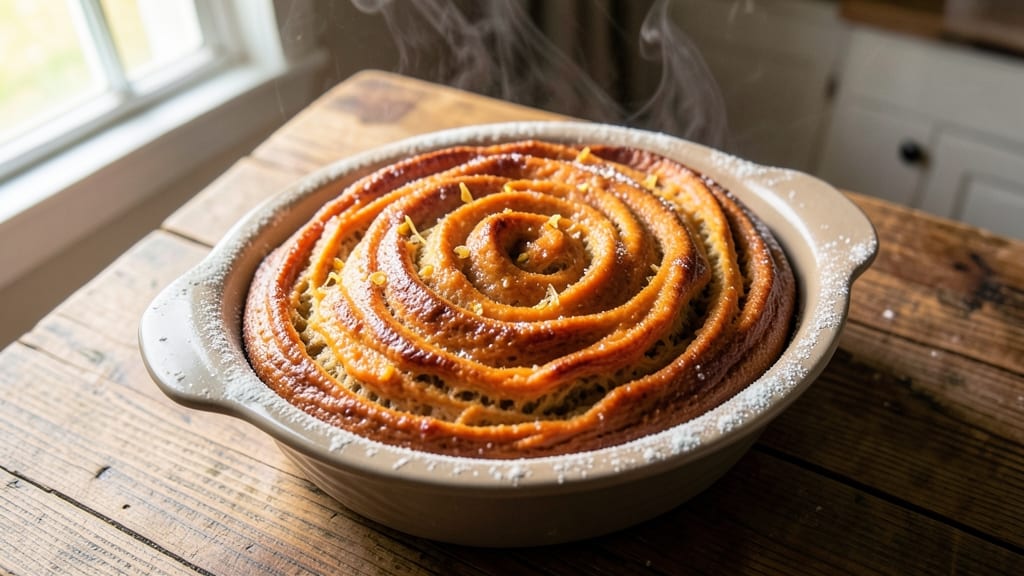
This sweet potato yeast bread machine recipe transforms humble pantry staples into a moist, aromatic loaf with a golden crust and warm spice notes. The secret lies in blending sweet potato puree with traditional yeast dough—creating a tender crumb that stays fresh for days.
I developed this recipe after years of experimenting with bread machine techniques, and it consistently delivers restaurant-quality results at home.
The beauty of this method is its simplicity: just combine flour, yeast, sweet potato puree, and a pinch of spices in your bread machine, then let it handle the kneading and baking.
No stand mixer required. The sweet potato adds natural moisture and subtle sweetness, while cinnamon and nutmeg deepen the flavor profile without overpowering the bread's natural taste.
What you'll end up with is a moist, spice-infused loaf with a crisp golden crust that's perfect for toast, sandwiches, or serving alongside soups. The bread stays fresh for up to 5 days when stored properly, making it ideal for meal prep.
Whether you're a beginner or experienced baker, this recipe delivers predictable, professional results every time.
For added texture, consider mixing in chopped nuts or seeds during the final kneading cycle. The bread machine does all the heavy lifting, so you can focus on enjoying the process. Here's everything you need to create your perfect loaf.
Ingredients for sweet potato yeast bread machine
Fourteen simple ingredients blend into a golden, spiced loaf that tastes like a bakery secret.
| Ingredient | Amount | Notes |
|---|---|---|
| All-Purpose Flour 🌾 | 3 ½ cups | Unbleached preferred for best texture |
| Active Dry Yeast 🍞 | 2 ¼ tsp | Ensure yeast is fresh (test in warm water) |
| Granulated Sugar 🍚 | ¼ cup | White or light brown preferred |
| Sweet Potato Puree 🍠 | 1 cup | Homemade or canned (unsweetened) |
| Unsalted Butter 🧈 | ½ cup | Softened, room temperature |
| Large Eggs 🥚 | 1 whole | Room temperature for best mixing |
| Milk 🥛 | ½ cup | Warm for optimal yeast activation |
| Ground Cinnamon 🌿 | 1 tsp | Freshly ground for best flavor |
| Ground Nutmeg 🌿 | ½ tsp | Freshly grated preferred |
| Salt 🧂 | ½ tsp | Kosher or sea salt preferred |
| Olive Oil 🫒 | 1 tbsp | For greasing bread machine pan |
| Chopped Walnuts 🥜 | ¼ cup | Optional for added texture |
The sweet potato puree is the magic here—canned unsweetened works in a pinch, but homemade (steamed and blended) gives the best texture. Grab the organic sweet potato at Whole Foods if you want to splurge, but regular grocery store sweet potatoes work fine. For the flour, King Arthur Unbleached All-Purpose is my go-to, but any high-quality brand will do. The yeast is non-negotiable—check the expiration date. If it's more than a few months old, test it in warm water first to make sure it's still active. The butter should be soft enough to press with a finger but not melted—room temperature is key.
No sweet potato puree? Mashed roasted sweet potato works too—just blend it smooth. Out of cinnamon? Pumpkin pie spice at half the amount gives a similar warm vibe. Want extra moisture? Add 1 tbsp applesauce to the dough. The walnuts are optional, but if you skip them, the bread still tastes amazing. For the milk, warm it slightly—yeast loves it around 110°F. If you don't have a thermometer, just dip your finger in and make sure it's not scalding. The bread machine does all the work, but the prep matters most—don't rush mixing the ingredients.
This bread stays fresh for 5 days at room temperature, wrapped in a clean kitchen towel. For longer storage, slice and freeze portions—3 months in a sealed bag. The crust gets crunchier as it sits, so reheat slices in a toaster or oven for 5 minutes at 350°F. I always make a double batch—one loaf for toasting, one for sandwiches. The leftovers freeze beautifully too, so you're covered for the week.
Why You'll Love This Recipe
- No Puree Hassle: I just blend a cooked sweet potato until smooth—no straining, no lumps—and the yeast bread machine does the rest. The puree adds moisture without extra work, and honestly? My bread turns out lighter than I expected.
- Sweet Potato Magic: That puree isn’t just filling—it gives the bread a subtle caramel sweetness and a tender crumb. The butter and sugar balance it perfectly, so it’s not too sweet, just rich and satisfying with every slice.
- Breakfast to Brunch: Toast it for breakfast with butter and jam, or serve warm with honey at brunch. It’s my go-to for lazy mornings, and the leftovers freeze beautifully for quick grab-and-go toast later in the week.
- Budget-Friendly Staple: Sweet potatoes are cheap, and this recipe uses pantry basics. I make two loaves at once—one for the freezer, one for the table—and never pay full price for store-bought bread again.
Step-by-step instructions for sweet potato yeast bread machine recipe
Let's make this moist, spice-infused loaf that's perfect for breakfast or snacking.
Prepare the Sweet Potato Mixture
In a small bowl, combine the 1 cup sweet potato puree with the 0.5 cup unsalted butter and 0.25 cup granulated sugar. Mix until smooth and creamy. This mixture is the secret to that incredible moisture we're after. The butter helps create a tender crumb while the sugar balances the sweetness of the sweet potato.
Next, add the 1 whole large egg and 0.5 cup warm milk to the mixture. Stir gently until fully incorporated. The warm milk helps activate the yeast later, and the egg adds structure. If you're using the optional 0.25 cup chopped walnuts, fold them in now so they're evenly distributed throughout the dough.
Mix Dry Ingredients and Combine
In your bread machine pan, whisk together the 3.5 cups all-purpose flour, 2.25 tsp active dry yeast, 1 tsp ground cinnamon, 0.5 tsp ground nutmeg, and 0.5 tsp salt. The yeast should be fresh—if you're unsure, test it by mixing a pinch with warm water and sugar; it should foam within 5-10 minutes.
Create a well in the center of the dry ingredients and pour in the sweet potato mixture. Use a wooden spoon to gradually incorporate everything, starting from the center and working outward. Once combined, add 1 tbsp olive oil to the dough mixture and mix again until you have a shaggy, sticky dough that pulls away from the sides of the bowl.
Set Up the Bread Machine
Grease the inside of your bread machine pan with a light coating of olive oil or a bit of butter. This prevents sticking and helps create that golden crust we're aiming for. Transfer the dough to the pan and spread it evenly, making sure it covers the bottom completely. The dough will be sticky—don't worry, that's normal.
Close the lid and select the "Basic" or "White Bread" setting on your bread machine. For best results, I recommend using the 3.5-pound setting if your machine has one. The machine will automatically knead, rise, and bake the bread for you. This process typically takes about 3 to 3.5 hours, depending on your specific model.
Monitor and Finish
Once the bread machine signals that the cycle is complete, remove the loaf immediately. Let it cool on a wire rack for at least 15 minutes before slicing. This resting period allows the bread to set properly and makes it easier to slice without falling apart.
Here's the thing—this bread is best enjoyed fresh. The crust will be golden and slightly crisp, while the interior remains wonderfully moist and fragrant with those warm spices. If you're planning to slice it ahead of time, wrap it in a clean kitchen towel to keep it soft. Store any leftovers in an airtight container at room temperature for up to 2 days or freeze for up to 3 months.
Pro Tips For Making Sweet Potato Yeast Bread Machine
- STRAIN THE PUREE: Sweet potato puree has moisture you don’t want weighing down your dough—strain it through a fine-mesh sieve or cheesecloth before measuring. I learned this the hard way when my first batch turned dense and gummy; now I always strain it cold, even if it means waiting 10 minutes for the liquid to settle.
- WEIGH THE FLOUR: Scooping flour from the bag packs in air pockets, making your bread lighter than it should be. Use a kitchen scale for the flour—just 10 grams extra can throw off the yeast balance. (Yes, even if you’re eyeballing everything else.)
- LET THE DOUGH RISE TWICE: The bread machine cycle might say "done," but skip the second rise at room temp and you’ll get a compact loaf. After the first rise, punch it down, let it sit 10 minutes, then shape and rise again—this guarantees a light, airy crumb. (Your future self will notice the difference.)
- SOFTEN THE BUTTER FIRST: Cold butter = tough bread. Microwave the unsalted butter in 10-second bursts until it’s pliable but not melted, then mix it into the dough. I was skeptical until I tried it—I now keep a small bowl of softened butter ready before starting any dough recipe.
Regional styles of this recipe
Southern Comfort Style
In the American South, sweet potatoes are a staple, so this bread gets a cozy twist with extra cinnamon and a touch of orange zest—about ½ tsp of each. I like adding ¼ cup pecans instead of walnuts for that classic Southern crunch.
Serve warm with butter and honey or use it for banana nut bread toast. The extra spices make it taste like a hug in bread form. 🌶️
German Sweet Potato Bread
For a German-inspired version, swap the cinnamon for cardamom—just ½ tsp—and add 1 tsp vanilla extract to the sweet potato mixture. Top the dough with coarsely chopped walnuts and a sprinkle of flaky sea salt before baking.
This version pairs perfectly with apple butter or smoked salmon for breakfast. The cardamom gives it a warm, aromatic depth that feels like a bakery in Bavaria. 🌟
Mexican-Inspired Spiced Bread
Give this bread a Mexican flair by adding ½ tsp ground cumin and ¼ tsp smoked paprika to the dry ingredients. For extra warmth, mix in 1 tbsp chopped dried apricots or raisins during the final kneading cycle.
Serve with refried beans or queso fresco for a hearty breakfast. The cumin adds an earthy note that balances the sweetness beautifully. 🌵
Japanese Sweet Potato Bread
In Japan, sweet potato bread (satsumaimo pan) is a beloved treat. For this version, reduce the cinnamon to ½ tsp and add ½ tsp grated fresh ginger to the sweet potato mixture. Top the dough with sesame seeds before baking for a nutty finish.
Serve with matcha whipped cream or red bean paste for a dessert-style loaf. The ginger adds a bright, zesty kick that’s uniquely Japanese. 🍡
Italian Sweet Potato Focaccia
Turn this into a focaccia-style bread by increasing the olive oil to 3 tbsp and adding ½ tsp dried rosemary. After the first rise, dimple the dough with your fingers and drizzle with 1 tbsp honey before baking.
Finish with flaky sea salt and crumbled feta cheese for a savory-sweet twist. This version is perfect for bruschetta or as a side for tomato-based pasta dishes. 🍅
Nutrition facts
Frequently asked questions
Can I substitute mashed sweet potato for puree?
Yes, but blend it smooth first! Mashed sweet potato works, but puree creates a more consistent texture. If using mashed, remove any lumps by blending with a splash of warm water until completely smooth. This ensures even moisture distribution in your bread.
What if my bread machine doesn't have a 3.5-pound setting?
Use the "Basic" or "White Bread" setting instead. Most machines automatically adjust kneading time for different weights. If your loaf seems underproofed, check the dough after 2 hours—it should have doubled in size before baking begins.
Why did my bread turn out dense instead of moist?
Overmixing or old yeast are common culprits. 1) Mix just until combined (don't overwork the dough)
- Test your yeast (it should foam in warm water within 5-10 minutes)
- Don't skip the 15-minute cooling before slicing The sweet potato puree needs proper hydration time to create that signature moist texture.
Can I make this gluten-free?
Yes, but with adjustments. Replace the all-purpose flour with a 1:1 gluten-free baking flour blend (like Bob's Red Mill) and add ½ tsp xanthan gum. You may need to reduce the sweet potato puree by 2 tbsp since gluten-free doughs absorb more liquid. Expect a slightly denser texture but still delicious!
How do I store leftovers to keep them fresh?
Wrap the cooled loaf in a clean kitchen towel and store at room temperature for 3-4 days. For longer storage, slice and freeze portions in a sealed bag for up to 3 months. To revive, toast or warm slices at 350°F for 5 minutes—this restores the crust's crispness.