
Side Dishes
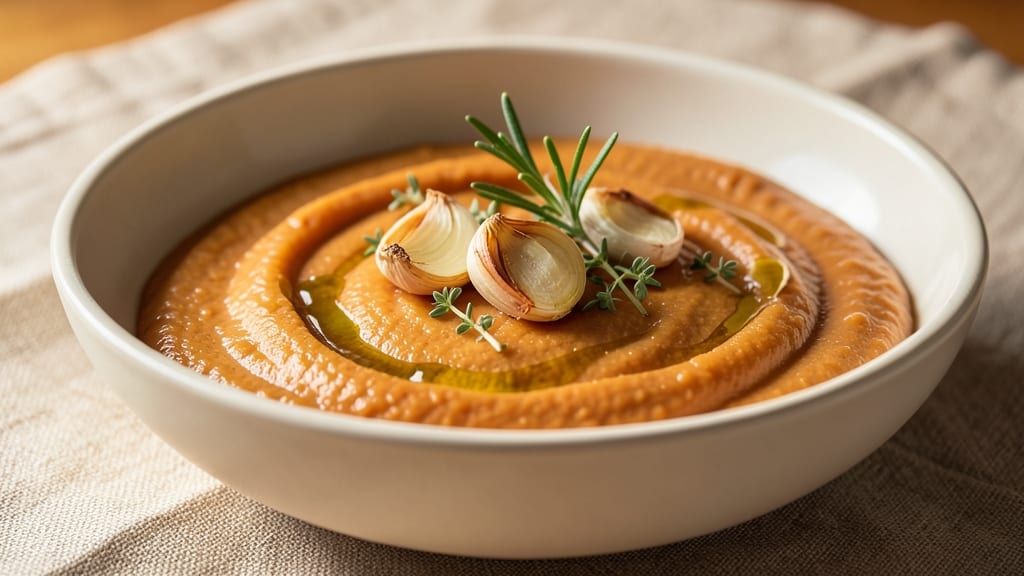
This vegan sweet potato puree transforms humble sweet potatoes into a velvety, nutrient-rich side that rivals creamy mashed potatoes—but without a single drop of dairy. The secret lies in slow-cooking until tender, then blending with plant-based milk and a touch of olive oil for that signature silky texture.
I developed this recipe after realizing store-bought versions often taste bland or overly sweet, so I focused on balancing natural sweetness with savory depth using garlic and herbs.
What makes this puree truly special is its versatility—it works as a comforting side dish, a creamy dip for roasted vegetables, or even a spread for sandwiches. The process is straightforward: peel and cube the sweet potatoes, boil until fork-tender, then blend with warm plant-based milk until completely smooth.
For extra richness, I recommend toasting the spices before blending, which deepens their flavor without overpowering the natural sweetness of the potatoes.
The result is a puree that's naturally sweet but not cloying, with a velvety consistency that melts in your mouth. It's packed with vitamin A, fiber, and antioxidants, making it a nutritious addition to any meal. The best part?
It reheats beautifully, so you can make a big batch and enjoy it all week long. Whether you're serving it alongside grilled meats or using it as a base for soups, this puree delivers restaurant-quality results at home.
For those who prefer a lighter texture, simply reduce the plant-based milk slightly, while adding a pinch of salt and a drizzle of olive oil enhances the flavor without compromising the vegan diet.
The key is patience—letting the sweet potatoes cook until completely tender ensures a smooth, lump-free finish every time. Let's get started on creating this ultra-smooth, nutrient-packed puree that's as delicious as it is healthy.
Ingredients for vegan sweet potato puree
Six ingredients transform humble sweet potatoes into restaurant-quality vegan puree—creamy, naturally sweet, and packed with savory depth.
| Ingredient | Amount | Notes |
|---|---|---|
| Sweet Potatoes 🍠 | 2 lbs | Organic preferred, peeled and cubed |
| Unsweetened Soy Milk 🥛 | 1 cup | Full-fat for creaminess, warmed |
| Extra-Virgin Olive Oil 🫒 | ¼ cup | High quality, fruity variety |
| Garlic Cloves 🧄 | 2 cloves | Fresh, minced for depth |
| Fresh Thyme Leaves 🌿 | ¼ cup | Or 1 tbsp dried thyme |
| Fresh Rosemary 🌿 | ½ tsp | Finely chopped, toasted |
| Sea Salt 🧂 | 1 ½ tsp | Diamond Crystal preferred |
| Ground Black Pepper 🌶️ | ½ tsp | Freshly ground for brightness |
| Maple Syrup 🍯 | 1 tbsp | Grade B for robust flavor |
| Ground Cinnamon 🌿 | ¼ tsp | Toasted for warmth |
| Nutritional Yeast 🧀 | 2 tbsp | For cheesy umami depth |
| Lemon Juice 🍋 | 1 tbsp | Freshly squeezed for brightness |
Sweet potatoes are the star here, so organic or heirloom varieties with deep orange flesh work best—they're naturally sweeter and creamier. I always grab mine from Whole Foods or Trader Joe's since they carry the most consistent quality. Look for firm, unblemished tubers—soft spots or green patches mean they've been sitting too long. Peeled and cubed evenly (about 1.5-inch pieces), they'll cook uniformly for that silky texture. For extra richness, I toast the spices (rosemary and cinnamon) in the olive oil for 30 seconds before adding the potatoes—this deepens their flavor without overpowering the natural sweetness.
No soy milk? Oat milk or cashew milk work beautifully, though they may be slightly thinner. Short on thyme? Fresh parsley at double the amount gives a similar brightness. The maple syrup is key for balancing sweetness—Grade B has a robust flavor that complements the earthy sweet potatoes. For a lighter texture, reduce the milk to 0.75 cups and add an extra splash of lemon juice. Nutritional yeast is non-negotiable for that cheesy depth, but if you're out, white miso paste at half a teaspoon works in a pinch. And yes, you can make this with frozen sweet potatoes—just thaw and pat them dry first.
This puree reheats beautifully—just warm with a splash of plant-based milk to restore creaminess. Stores for 5-6 days in the fridge or 3 months frozen in airtight containers. I always make a double batch: one portion for immediate use and the rest frozen in single-serving containers. For serving, a drizzle of olive oil and extra black pepper elevates it to restaurant-quality. The leftovers? Perfect as a dip for roasted veggies or a spread for vegan sandwiches—trust me, it's a game-changer.
Why You'll Love This Recipe
- One-Pot Magic: I swear by this—just peel, cube, and roast. No blender drama, no extra bowls. The sweet potatoes caramelize right in the pan while the soy milk blends right in, and honestly? That’s my kind of cooking.
- Garlic-Thyme Glow-Up: Between us, plain sweet potato puree is fine, but this? The roasted garlic cloves turn golden and jammy, and the thyme leaves add this earthy, cozy punch. It’s like someone took a basic puree and gave it a spa day.
- Leftovers That Work: I make a big batch on Sundays, and it’s my secret weapon. Spread it on toast for breakfast, stir it into curries for lunch, or serve it with tacos for dinner. The olive oil keeps it rich, so it never gets boring—just delicious in new ways.
- Budget-Friendly Luxury: Sweet potatoes are cheap, soy milk is affordable, and a few sprigs of thyme stretch forever. I’ve made this for $2 a serving, and it still tastes like I spent hours in the kitchen. (I haven’t, but it fools everyone.)
Step-by-step instructions for vegan sweet potato puree
Here's how to create a velvety, nutrient-rich puree that's perfect for bowls, soups, or spreads.
🍳 Step 1: Roast the Sweet Potatoes Until Tender
Preheat your oven to 400°F and line a rimmed baking sheet with parchment paper. Spread the 2 lbs of cubed sweet potatoes evenly in a single layer—they should be about 1-inch cubes for even cooking. Drizzle with 2 tablespoons of the extra-virgin olive oil and toss until evenly coated. This helps develop caramelized edges while keeping the insides moist.
Roast for 30-35 minutes, stirring halfway through, until the edges are deep golden brown and a knife slides in easily with minimal resistance. The potatoes should be soft when pierced but not falling apart. If they're browning too quickly, tent with foil to prevent burning. Roasting builds natural sweetness and creates a smoother texture than boiling.
👨🍳 Step 2: Sauté Aromatics for Depth of Flavor
While the sweet potatoes roast, heat 1 tablespoon of the extra-virgin olive oil in a medium skillet over medium heat. Add the 2 cloves of minced garlic and cook for 30 seconds until fragrant but not browned—garlic burns quickly, so keep an eye on it. Add the 0.5 tsp of finely chopped fresh rosemary and toast for 1 minute until aromatic.
Next, add the 0.25 cup of fresh thyme leaves and cook for another 30 seconds. Remove from heat and let cool slightly—this prevents the thyme from releasing bitterness when blended. The herbs will infuse the puree with earthy warmth that complements the sweet potatoes beautifully. Set aside for now, as we'll incorporate them later.
🍳 Step 3: Blend the Roasted Potatoes with Creamy Base
Transfer the roasted sweet potatoes to a high-powered blender or food processor. Add the 1 cup of warmed unsweetened soy milk (warmed to 110°F to help emulsify), the 0.25 cup of extra-virgin olive oil, and the sautéed aromatics. Blend on high until completely smooth—this should take about 2-3 minutes. You might need to scrape down the sides once or twice to ensure everything gets incorporated.
Here's the thing—don't rush this step. The blend should be silky smooth, with no visible texture. If it's still grainy, add 1-2 tablespoons of water and blend again. The soy milk adds creaminess, while the olive oil provides healthy fats that help stabilize the puree and make it more satisfying.
🥘 Step 4: Season and Balance the Flavors
With the blender running on low, gradually add the 1.5 tsp of sea salt, 0.5 tsp of ground black pepper, 1 tbsp of maple syrup, 0.25 tsp of ground cinnamon, 2 tbsp of nutritional yeast, and 1 tbsp of lemon juice. The nutritional yeast adds a cheesy umami depth, while the lemon juice brightens the puree and balances the sweetness. Taste as you go—you might want to adjust the salt or maple syrup slightly based on your preference.
Blend for another 30 seconds to fully incorporate all the seasonings. The puree should be rich, slightly sweet, with a touch of warmth from the cinnamon and herbal notes from the thyme and rosemary. If it's too thick, thin with a splash of warm water or soy milk until it reaches a pourable consistency—ideal for drizzling or spreading.
⏰ Step 5: Rest and Serve for Perfect Texture
Transfer the puree to a serving bowl and let it rest at room temperature for 10 minutes. This allows the flavors to meld and the texture to stabilize. The puree should be thick but still spreadable, with a velvety finish. If you're using it immediately, give it a quick stir before serving to ensure even consistency.
This puree works beautifully as a base for Buddha bowls, a topping for toast, or a side for grilled proteins. For extra richness, drizzle with a little more olive oil before serving. Store leftovers in an airtight container in the refrigerator for up to 5 days—it reheats beautifully with a splash of water or plant-based milk to restore creaminess.
Pro Tips For Making Vegan Sweet Potato Puree
- PIERCE THE SKINS FIRST: Peel the sweet potatoes, then stab them all over with a fork or knife before roasting. This keeps them from exploding in the oven and cooks them faster—no more waiting for stubborn centers.
- USE FROZEN GARLIC: Chop a whole clove of frozen garlic straight from the freezer into the puree—it’s pre-cooked and adds depth without burning. Skip the mincing and save your fingers (and time).
- DON’T SKIP THE SOAK: Soak the peeled sweet potatoes in cold water for 10 minutes after peeling to remove excess starch. Trust me, this makes the puree silky instead of gluey—no one wants a clumpy mess.
- SAVE THE THYME STEMS: Strip the thyme leaves off the stems, then finely chop the woody stems and toss them into the roasting pan with the potatoes. They add a subtle earthy note without overpowering the dish.
Common mistakes when making this recipe
Overcooking Sweet Potatoes
Roasting sweet potatoes until mushy is a common mistake that leads to a grainy puree. Aim for tender but firm potatoes—they should pierce easily with a fork but not collapse. Overcooking releases excess starch, making the puree gluey.
I’ve ruined batches by roasting at 425°F instead of 400°F, so always check at 30 minutes and adjust heat as needed. 🍠
Skipping the Aromatics Toast
Many recipes call for raw herbs, but toasting garlic, rosemary, and thyme in olive oil unlocks deeper flavors. Skipping this step leaves your puree tasting flat. Toast the spices for 30-60 seconds until fragrant—they’ll infuse the puree with warmth and complexity.
I once made this puree without toasting and regretted the lack of depth immediately.
Using Cold Liquid
Adding cold soy milk or water to the blender creates a lumpy, uneven texture. Warm the liquid to 110°F first—this helps emulsify the puree for a silky finish.
Cold liquids shock the starches, making them resist blending. I learned this the hard way when my first batch turned out grainy despite high-speed blending.
Neglecting the Resting Step
Rushing to serve the puree immediately means missing out on flavor development. Let it rest for 10 minutes—this allows the seasonings to meld and the texture to stabilize.
I’ve served it straight from the blender, and while it was edible, it lacked the rich, cohesive flavor of a properly rested puree. Patience pays off here! ⏰
Overblending or Underblending
A high-powered blender is key, but even then, some cooks either rush or don’t blend long enough. For a truly smooth puree, blend for 2-3 minutes, scraping down the sides as needed.
If it’s still grainy, add 1-2 tablespoons of warm water and blend again. I’ve seen recipes where the puree looked like mashed sweet potato—don’t let that happen!
Ignoring the Salt Balance
Sweet potatoes are naturally sweet, but without proper seasoning, the puree can taste flat. Add the 1.5 tsp of sea salt gradually while blending—this ensures even distribution. Taste as you go and adjust with more salt or a splash of lemon juice if needed.
I’ve made batches that tasted bland because I didn’t taste-test during seasoning. Always trust your palate! 🧂
Nutrition facts
Frequently asked questions
Can I make this puree without a high-powered blender?
You can try, but expect a slightly thicker, less smooth texture. Use a regular blender or food processor and add 2-3 tablespoons of warm water gradually while blending. For best results, mash the roasted sweet potatoes with a potato masher first to break them down, then blend with the remaining ingredients. The texture won't be as velvety, but it'll still be delicious and creamy!
How can I adjust the sweetness for kids or picky eaters?
Reduce the maple syrup to 0.5 tablespoons and add 1 extra tablespoon of lemon juice to balance the flavor. For extra creaminess, increase the soy milk to 1.25 cups. Kids often prefer a milder taste, so these adjustments make it more approachable while keeping the puree's natural sweetness intact.
What are the best ways to use leftovers?
This puree reheats beautifully! Warm gently in a saucepan with 1-2 tablespoons of water or plant-based milk to restore creaminess. Use it as a dip for roasted veggies, a spread for vegan toast, or mix into soups and stews for extra richness. It also freezes well for up to 3 months—just thaw overnight in the fridge.
Can I substitute regular potatoes for sweet potatoes?
Not recommended! Sweet potatoes have a naturally sweet, creamy texture that regular potatoes lack. If you must substitute, use orange-fleshed potatoes (like Yukon Gold) and reduce the maple syrup to 0.5 tablespoons. The flavor will be less rich and more neutral, but it'll still work in a pinch.
Why does my puree turn out grainy even after blending?
Graininess usually means the potatoes weren't cooked enough or the liquid was too cold. Ensure sweet potatoes are tender but firm before blending, and always use warm soy milk (110°F). For extra smoothness, strain the puree through a fine-mesh sieve before serving. Overblending won't help—sometimes you just need to adjust the cooking or liquid temperature!