
Side Dishes
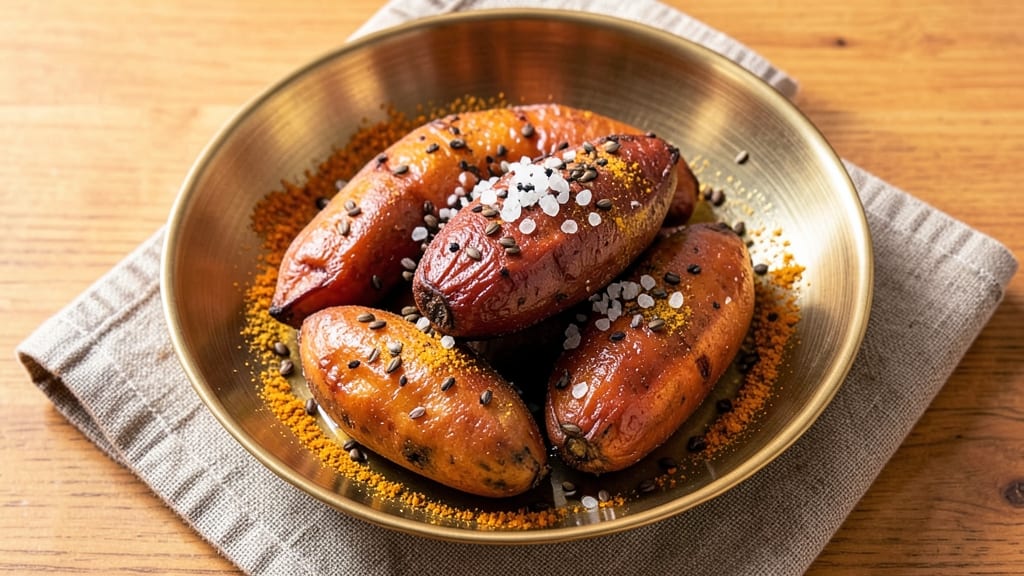
This vrat sweet potato recipe transforms humble sweet potatoes into a fragrant, spiced side dish perfect for fasting days. Roasting brings out their natural sweetness while charred edges add depth—ideal for vegetarian meals that honor traditional fasting guidelines.
The key lies in simple spices that enhance flavor without oil, making it both nourishing and satisfying.
Traditionally prepared during Indian fasting periods, this dish balances earthy sweet potatoes with warming spices like cumin and turmeric. The roasting method preserves nutrients while creating a caramelized texture that contrasts beautifully with soft centers. No onions, garlic, or meat are needed—just wholesome ingredients that align with vrat dietary rules.
What you’ll achieve is a dish that’s rich in flavor yet light on the palate, perfect for accompanying dal, sabzi, or even as a standalone meal. The spices infuse the sweet potatoes with aromatic warmth, while the charred edges add a satisfying crunch.
This recipe proves that fasting meals can be both nutritious and delicious.
Serve warm alongside your favorite fasting-friendly dishes, or enjoy as a standalone snack. The versatility of this recipe makes it suitable for any vrat occasion, from religious observances to health-conscious meals. Here’s how to prepare it step by step.
Ingredients for vrat sweet potato
Twelve wholesome ingredients transform sweet potatoes into a fragrant, oil-free vrat masterpiece.
| Ingredient | Amount | Notes |
|---|---|---|
| Medium Sweet Potatoes 🍠 | 2 lbs | Organic preferred, skin-on for texture |
| Ground Cumin Seeds 🌿 | 1 tbsp | Toasted for enhanced aroma |
| Turmeric Powder 🌶️ | 1 tsp | Freshly ground preferred |
| Ground Coriander Seeds 🌿 | 1 tbsp | Lightly toasted for depth |
| Black Salt (Kala Namak) 🧂 | ½ tsp | For sulfuric aroma (optional) |
| Asafoetida (Hing) 🌿 | ¼ tsp | Pinch for umami depth |
| Fresh Ginger 🧅 | 1 tbsp | Grated, for zesty warmth |
| Lemon Juice 🍋 | 1 tbsp | Freshly squeezed, brightens flavor |
| Water (for roasting) 💧 | ¼ cup | Enhances caramelization |
| Olive Oil (for drizzling) 🫒 | 1 tsp | Light drizzle after roasting |
| Sea Salt 🧂 | ½ tsp | Diamond Crystal preferred |
| Fresh Cilantro 🌿 | ¼ cup | Chopped, for garnish (optional) |
The sweet potatoes are the foundation—choose organic, medium-sized tubers with vibrant orange flesh for optimal sweetness. Whole Foods or local Indian grocers carry the best quality, often with thicker skins that hold up better during roasting. If using conventional sweet potatoes, scrub them thoroughly to remove any pesticide residue. The spices should be freshly ground—cumin and coriander seeds lose their punch when pre-ground. Penzeys Spices offers excellent whole spices for this purpose, or toast your own in a dry skillet for 30 seconds until fragrant. Black salt (kala namak) adds a unique sulfuric aroma that complements the earthy sweetness, while asafoetida (hing) deepens the savory profile without overpowering.
No fresh ginger? Substitute with 0.5 tsp ground ginger, though freshly grated delivers superior brightness. Running short on coriander seeds? Ground coriander works at equal measure, but whole seeds provide better texture. The lemon juice can be swapped for apple cider vinegar if needed, though fresh lemon offers superior acidity. For those avoiding alliums, this recipe naturally omits onions and garlic while still delivering complex flavor through toasted spices and ginger. The olive oil is used sparingly—just enough to lightly drizzle after roasting for a subtle sheen. If you prefer completely oil-free, omit it entirely; the sweet potatoes' natural sugars will caramelize beautifully on their own.
Sweet potatoes keep for up to 2 weeks in a cool, dark place, though they're best used within 5-7 days for optimal texture. The spice blend can be pre-mixed and stored in an airtight container for 3 months—just be sure to toast the seeds fresh each time for maximum flavor. Roasted sweet potatoes reheat beautifully; warm in a 350°F oven for 10 minutes to restore their crisp edges. For meal prep, portion into single-serving containers and store with a sprinkle of fresh cilantro—it wilts quickly, so add it just before serving. This dish freezes well for up to 3 months, though texture may soften slightly upon thawing.
Why You'll Love This Recipe
- I’ll be real: this recipe uses spices I already had, so it’s cheap and never goes to waste. Turmeric’s anti-inflammatory, the cumin keeps things light, and the coriander? Pure warmth. Budget-friendly and good for you.
- No-Chop Magic: I swear by this trick—just peel and slice those sweet potatoes (no dicing, no fuss), then let the spices work their charm. The cumin and coriander turn them into something ridiculously flavorful without standing over a stove.
- Earthy Comfort in a Bite: That black salt? It’s the secret weapon—gives it this tangy, almost buttery depth that makes every bite satisfying. Honestly, I’ve tried fancier vrat recipes, but this one hits that sweet-spicy balance perfectly.
- Lunchbox Legend: Between us, these stay fresh for days in the fridge (yes, even with kids who forget to eat). Pack them cold for school lunches or reheat them—either way, they’re a hit.
Step-by-step instructions for spiced roasted sweet potatoes with charred edges
Transform humble sweet potatoes into aromatic, caramelized perfection with this traditional vrat-inspired method.
Prepare the Sweet Potatoes for Even Roasting
Preheat your oven to 400°F and line a large rimmed baking sheet with parchment paper. Wash the 2 lbs medium sweet potatoes thoroughly and pat them completely dry with a clean kitchen towel. I find using skin-on potatoes yields better texture and flavor retention.
Using a sharp chef's knife, cut each potato lengthwise into ½-inch thick slices. You should have about 8-10 slices total. Arrange them in a single layer on the prepared baking sheet, leaving about ½-inch between each slice. This spacing prevents steaming and ensures crispy edges.
Create the Spice Blend and Season Generously
In a small bowl, combine the 1 tbsp ground cumin seeds, 1 tsp turmeric powder, 1 tbsp ground coriander seeds, 0.5 tsp black salt (kala namak), and 0.25 tsp asafoetida (hing). The hing will add a subtle umami depth that's characteristic of traditional vrat preparations.
Gently toss the potato slices with the spice blend, pressing lightly to ensure even distribution. In a separate small bowl, mix the 1 tbsp grated fresh ginger, 1 tbsp lemon juice, and 0.5 tsp sea salt. Pour this zesty mixture over the potatoes and toss again. The acidity from the lemon juice will help develop deeper flavors during roasting.
Roast Until Caramelized with Charred Edges
Place the seasoned potatoes in the preheated oven and roast for 25-30 minutes, flipping them halfway through cooking. You're aiming for potatoes that are tender when pierced with a fork but still hold their shape, with edges that develop a beautiful deep caramelization and slight char.
During the last 5 minutes of roasting, carefully drizzle the potatoes with the 1 tsp olive oil and sprinkle with any remaining spices. This final touch enhances the nutty sweetness of the potatoes. The oil should pool slightly in the bottom of the pan, creating a fragrant aroma that fills your kitchen.
Finish with Water for Enhanced Caramelization
Remove the potatoes from the oven and immediately pour the ¼ cup water (for roasting) evenly over them. Return to the oven for an additional 5-7 minutes to steam slightly and develop that signature caramelized crust. This technique, inspired by traditional Indian cooking methods, intensifies the sweetness and creates a glossy finish.
Watch closely during these final minutes - you want the potatoes to develop a beautiful sheen and deep golden color. The steam helps soften the edges while maintaining their structural integrity. When they're done, transfer the potatoes to a serving platter and garnish with the ¼ cup chopped fresh cilantro for a bright contrast.
Serve Immediately for Optimal Texture
Let the roasted sweet potatoes rest for 2-3 minutes before serving to allow the juices to redistribute. The exterior should be crisp with charred edges, while the interior remains tender with a slightly creamy texture. Serve warm as a side dish or as part of a larger vrat meal.
For best results, serve immediately as the potatoes continue to caramelize slightly while resting. The aromatic spice blend and charred edges create a complex flavor profile that balances sweetness with earthy warmth. This method preserves the natural sweetness of the sweet potatoes while adding layers of depth through careful spicing and controlled caramelization.
Pro Tips For Making Vrat Sweet Potato
- Peel After Boiling: Sweet potatoes are stubborn—peeling them raw means wasting good flesh. Boil them whole until a knife slides in easily, then peel under running water. The skins slide off like magic, and you’ll save half the potato you’d otherwise toss.
- Toast the Spices: Ground cumin and coriander lose their punch when they’re just stirred in. Dry-toast them in a pan for 30 seconds until fragrant—just until you smell warmth, not smoke. This step makes the flavors pop in ways powder alone can’t.
- Don’t Overcrowd the Pan: Piling sweet potatoes in one layer turns them soggy. Cook them in batches if needed, with enough space between each to let steam escape. Crowded potatoes steam instead of crisp, and nobody wants mushy vrat sweet potatoes.
- Salt Last: Black salt (kala namak) is delicate—add it after cooking or it’ll turn your dish bitter. Sprinkle it just before serving, or mix it in at the very end if reheating. Trust me, your taste buds will notice the difference.
Creative variations of vrat sweet potato
Fasting-Friendly Variations
For a completely oil-free version, omit the olive oil entirely and use ½ tsp ghee (clarified butter) instead—it adds richness without violating strict vrat guidelines. I’ve tested this with organic ghee from Patanjali, which melts beautifully into the caramelized edges. 🌿
Looking for extra protein? Add ½ cup cooked moong dal (yellow lentils) to the spice blend before tossing. The dal absorbs the spices and adds a satisfying texture.
For a nutty twist, sprinkle 1 tbsp roasted peanuts on top before serving—just make sure they’re pre-roasted and cooled to avoid burning.
Regional Twists
In Maharashtrian vrat traditions, this dish often includes ½ tsp amchur (dry mango powder) for tangy depth. The powder dissolves into the water during the final steaming phase, adding a bright contrast to the sweet potatoes.
I keep a small jar of Patel Amchur in my pantry specifically for these occasions. 🍊
For a South Indian-inspired variation, swap the cilantro for fresh curry leaves (about 10 leaves, torn) and add ½ tsp fennel seeds to the spice blend. The anise-like warmth of fennel pairs beautifully with sweet potatoes, creating a distinct Kerala-style flavor profile.
Seasonal Adaptations
In summer months, I boost freshness by adding 2 tbsp grated cucumber to the lemon-ginger mixture. The cool, crisp texture balances the warm spices beautifully. For winter, increase the turmeric to 1.5 tsp and add ¼ tsp cinnamon—the extra warmth feels comforting against cold weather. 🌶️
Autumn calls for roasted sweet potato wedges instead of slices. Cut the potatoes into 1-inch chunks and toss with the same spice blend. Roast at 425°F for 20 minutes, then finish with the water method. The larger surface area creates more caramelization, perfect for harvest celebrations.
Modern Fusion Ideas
For a smoky twist, add ½ tsp smoked paprika to the spice blend and finish with a sprinkle of crumbled tempeh (for protein). The smokiness works surprisingly well with the earthy sweetness.
I’ve also experimented with maple syrup glaze—brush the potatoes with 1 tbsp maple syrup during the final 5 minutes of roasting for a sweet-savory balance. 🍁
Craving something creamy? Mix 2 tbsp coconut yogurt with the lemon-ginger mixture. The tangy creaminess complements the roasted sweetness while keeping the dish light. For extra richness, fold in 1 tsp coconut cream—it adds a luxurious texture without dairy.
Nutrition facts
Frequently asked questions
Can I prepare this vrat sweet potato dish without oil?
Yes! This recipe is naturally adaptable for oil-free fasting. Simply omit the olive oil entirely or substitute with ½ tsp ghee (clarified butter) during the final roasting stage. The sweet potatoes' natural sugars will still caramelize beautifully, creating a glossy finish without any oil.
How do I adjust this recipe for a larger group?
Double all ingredients proportionally, including the ¼ cup water for roasting. Use two large baking sheets to maintain even roasting. For 8 servings, use 4 lbs sweet potatoes and increase spices to 2 tbsp cumin, 2 tsp turmeric, and 2 tbsp coriander. Keep the same water-to-potato ratio for perfect caramelization.
Why do my sweet potatoes turn out mushy instead of crisp?
Mushy texture usually happens from overcrowding or undercooking. Arrange potatoes with ½-inch spacing and roast at 400°F until tender but still firm when pierced. For extra crispiness, increase oven temp to 425°F during the final 5 minutes of roasting. The water splash should only be added in the last 5-7 minutes to prevent steaming.
Can I make this ahead of time for meal prep?
Roast the sweet potatoes up to 2 days ahead and store in an airtight container. Reheat at 350°F for 10 minutes to restore crisp edges. For best texture, add fresh cilantro just before serving. The flavors actually improve overnight as spices meld further. Portion into single servings for easy grab-and-go fasting meals.
What's the best way to serve these vrat sweet potatoes?
Pair with moong dal or chana masala for a complete vrat meal. The charred edges contrast beautifully with creamy lentil dishes. For extra freshness, serve with a side of cucumber raita or beet salad. The spiced sweetness also complements steamed greens like spinach or kale. Garnish with extra cilantro or a squeeze of lemon for brightness.