Side Dishes
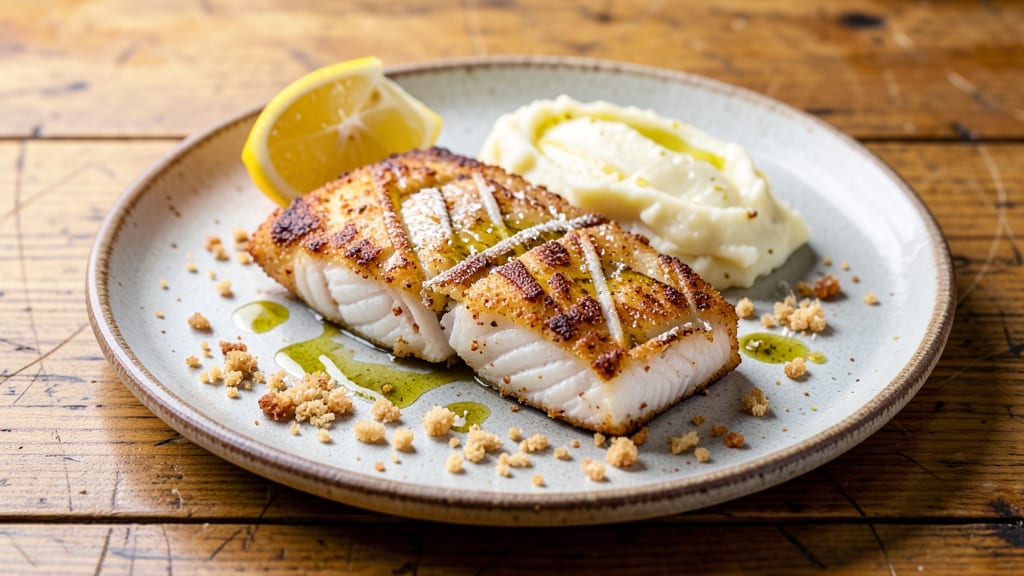
This baked potato crusted cod recipe delivers the ultimate texture contrast—shatteringly crisp golden crust on the outside, perfectly tender fish on the inside. The secret lies in blending mashed potatoes with breadcrumbs and parmesan to create a sturdy, flavorful crust that holds up during baking while keeping the delicate cod moist. I developed this recipe after years of struggling with fish that either dried out or turned soggy, and the difference is night and day.
The process starts with preparing the potato mixture—creamy mashed potatoes mixed with breadcrumbs, egg, and seasonings—to form a thick, bindable paste. This crust isn't just about texture; it's packed with savory depth from garlic, onion powder, and a touch of smoked paprika.
The cod fillets are gently coated, then baked until the crust turns golden and crisp, while the fish remains flaky and moist inside. The key is baking at the right temperature—hot enough to crisp the crust but gentle enough to prevent overcooking the fish.
What you'll end up with is a restaurant-quality dish that's impressive yet simple to make at home. The contrast between the crispy, golden crust and the tender, buttery fish creates an experience that feels indulgent without being complicated.
Serve it with a bright lemon-dill sauce or roasted asparagus to complement the rich, savory flavors of the crust. This recipe is perfect for special dinners or when you want to elevate a weeknight meal with minimal effort.
Once you try this method, you'll never go back to plain breaded fish again. The potato crust adds a comforting, homey element that pairs beautifully with the delicate sweetness of the cod. Ready to master this technique? Let's get started with the ingredients and step-by-step instructions.
Ingredients for baked potato crusted cod
The perfect balance of crispy crust and ultra-moist fish starts with these 14 quality ingredients.
| Ingredient | Amount | Notes |
|---|---|---|
| Cod Fillets 🐟 | 4 whole | Skinless, 6-8 oz each |
| Russet Potatoes 🥔 | 2 medium | Peeled and boiled |
| All-Purpose Flour 🌾 | ½ cup | For breading consistency |
| Panko Breadcrumbs 🍞 | ½ cup | For extra crunch |
| Parmesan Cheese 🧀 | ½ cup | Freshly grated from block |
| Large Eggs 🥚 | 1 whole | Beaten for binding |
| Garlic Powder 🧄 | 1 tsp | For savory depth |
| Onion Powder 🧅 | 1 tsp | Enhances crust flavor |
| Smoked Paprika 🌶️ | ½ tsp | For subtle smokiness |
| Salt 🧂 | 1 tsp | Kosher or sea salt |
| Black Pepper 🌶️ | ½ tsp | Freshly ground preferred |
| Unsalted Butter 🧈 | 2 tbsp | Melted for brushing |
| Lemon Juice 🍋 | 1 tbsp | Freshly squeezed |
| Fresh Dill 🌿 | 2 tbsp | Chopped for garnish |
The potatoes are the foundation—Russet potatoes work best for their starchy texture. Whole Foods or local markets often carry the freshest tubers, but any grocery store will do. Peel them first, then boil until fork-tender—no need to mash them completely. The goal is a thick, bindable paste that holds the crust together. For the cod, Wild Alaskan or Pacific cod fillets stay moist better than farm-raised. Look for even-sized fillets around 6-8 oz each to ensure consistent cooking. The Parmesan should be real Parmigiano-Reggiano—pre-grated loses its sharpness and melts poorly.
No panko? Regular breadcrumbs toasted in a dry pan work in a pinch. Short on flour? Extra breadcrumbs plus a splash of water can replace it. The smoked paprika adds depth, but if you only have regular paprika, add a pinch of liquid smoke for that smoky flavor. For the butter, European-style unsalted butter (like Plugrá) has more flavor than American brands. Fresh dill is ideal, but dried dill at one-third the amount works if you're in a hurry. The lemon juice can be substituted with white wine or vinegar if needed, though fresh lemon brightens everything up.
Store the potato mixture in an airtight container for up to 2 days—it actually tastes better the next day as flavors meld. The cod fillets should be used within 1 day of purchase for peak freshness. Once baked, leftovers keep for 2 days in the fridge, but the crust loses crispiness fast. For reheating, cover with foil and bake at 375°F for 5-7 minutes—just enough to warm through without reviving the crust. Freezing isn't recommended as the texture suffers, but you can freeze the potato mixture separately for 1 month.
Why You'll Love This Recipe
- I swear by this trick: just mash the potatoes raw with a fork, mix in a little mayo for binding, and slap that on the cod. No boiling, no peeling—just raw spuds and instant texture. My kids think it’s magic when they see the crust form.
- Crispy Without Fuss: I swear by this trick: just mash the potatoes raw with a fork, mix in a little mayo for binding, and slap that on the cod. No boiling, no peeling—just raw spuds and instant texture. My kids think it’s magic when they see the crust form.
- That Crunch-Meets-Cream: Honestly, the combo of panko and Parmesan over the mashed potato crust is ridiculously good. The outside gets this golden, shatter-y crunch while the inside stays flaky and tender—like a hug from the sea. (Yes, even on a Tuesday night.)
- Weeknight to Dinner Party: This feeds four for under $15, and honestly? It looks fancy enough for company but takes less time than ordering takeout. Double the batch, reheat the leftovers in the oven, and no one will guess it’s not restaurant-quality.
Step-by-step instructions for baked potato crusted cod
Here's how to create that perfect balance of crispy crust and tender fish.
👨🍳 Step 1: Prepare the Potato Crust Mixture
Start by boiling the 2 medium russet potatoes until fork-tender, about 15-20 minutes. Drain them well, then mash them completely using a potato masher or fork. You want a smooth, lump-free texture—this ensures your crust will be even and crispy.
In a separate bowl, whisk together the 0.5 cup all-purpose flour, 0.5 cup panko breadcrumbs, 0.5 cup parmesan cheese, 1 tsp garlic powder, 1 tsp onion powder, 0.5 tsp smoked paprika, 1 tsp salt, and 0.5 tsp black pepper. Add the mashed potatoes to this dry mixture and combine thoroughly with your hands or a fork. The texture should be thick and crumbly, like coarse sand.
🍳 Step 2: Create the Crust on the Cod
Pat the 4 whole cod fillets dry with paper towels—this is crucial for getting that crispy crust. Brush each fillet lightly with the 2 tbsp melted unsalted butter, then press the potato mixture firmly onto both sides of each fillet. Make sure to cover the entire surface completely, packing it down gently so it adheres well.
Place the crusted cod fillets on a parchment-lined baking sheet and refrigerate for 15-20 minutes. This chilling step helps the crust adhere better to the fish and prevents it from falling off during baking. While they're chilling, preheat your oven to 400°F—this high temperature is key for achieving that golden, crispy crust.
🔥 Step 3: Bake to Golden Perfection
Bake the cod fillets for 12-15 minutes until the crust is deep golden brown and the internal temperature reaches 145°F. You'll know it's ready when the crust is crispy to the touch and the fish flakes easily with a fork. Don't overbake—cod continues to cook slightly after you remove it from the oven, and you want to preserve that moist, delicate texture.
The reason we bake at this high temperature is to create that perfect contrast between the crispy exterior and the tender, flaky fish inside. If the crust isn't browning quickly enough, you can increase the oven temperature to 425°F for the last 2-3 minutes of baking to help it crisp up faster.
🍽️ Step 4: Finish with Lemon and Dill
Remove the cod from the oven and immediately drizzle each fillet with 1 tbsp lemon juice. The acidity brightens the flavors and cuts through the richness of the crust. Sprinkle with the 2 tbsp chopped fresh dill and let the cod rest for 3-5 minutes before serving. This resting period allows the juices to redistribute, ensuring each bite is moist and flavorful.
Serve immediately with your favorite sides like a simple green salad or steamed vegetables. The contrast of the crispy potato crust with the tender, lemon-infused cod creates a truly satisfying dish. The crust should be golden and crunchy, while the fish inside should be flaky and moist—exactly the balance you're aiming for.
Pro Tips For Making Baked Potato Crusted Cod
- Preheat Like It’s 1985: Your oven should hit 425°F and sit for 10 minutes before the cod goes in—no exceptions. I learned this the hard way when my first batch came out soggy because the pan was still cold. That extra heat shock seals the crust faster and keeps the potato mash from turning to glue.
- Grate Those Potatoes Wet: Soak the raw potato shreds in cold water for 10 minutes first, then drain and squeeze out every drop. This removes excess starch, which is the thing that makes your crust gummy instead of crisp. Yes, it’s an extra step, but your future self will notice the difference.
- Don’t Skip the Double-Dip: Coat the cod in flour, dip in beaten egg, then press it into the potato mixture—not just a sprinkle. The first time I skipped this, the crust fell off in chunks. A quick press with your fingers ensures every inch sticks, and the panko gets that satisfying crunch.
- Bake on Wire Racks: Line your baking sheet with foil, then place a wire rack on top. The cod needs airflow underneath, or it’ll steam instead of crisp. I used to bake it directly on the sheet and ended up with a sad, damp mess—like eating potato-flavored fish sticks. Trust me, the rack is worth it.
Troubleshooting perfect results
Crust Too Soggy
If your potato crust turns out soggy instead of crispy, the issue is usually undercooked potatoes or too much moisture in the mixture. Always boil potatoes until completely tender (they should mash easily), then drain thoroughly before mashing.
For extra insurance, spread the crusted fillets on a wire rack in the fridge for 10 minutes before baking to let excess moisture evaporate. 🥔
Another common cause is overmixing the potato mixture—this creates a gluey texture. Work quickly and gently when combining ingredients, and avoid adding extra liquid unless absolutely necessary. If your mixture feels too wet, add 1-2 tablespoons of extra panko breadcrumbs to absorb moisture.
Fish Overcooked
Cod cooks fast, so overbaking is the #1 mistake. Use a meat thermometer to check for 145°F internal temperature—this ensures perfect doneness without drying out. If your oven runs hot, reduce the temperature to 375°F and bake for 10-12 minutes instead of the full 12-15 minutes.
The crust will still crisp up in the final minutes. 🌡️
Another trick: Don’t skip the rest. Let the cod rest for 3-5 minutes after baking—this allows heat to redistribute, keeping the center moist while the crust stays crisp. If you cut into it too soon, juices escape, leading to dry fish.
Crust Falling Off
The crust detaches when the potato mixture isn’t packed firmly or the cod isn’t dry enough. Pat fillets extra dry with paper towels before coating, and press the crust on gently but firmly—think of it like making a thick, even layer of breading.
For extra adhesion, chill the crusted fillets for 20 minutes before baking. ❄️
If the crust still won’t stick, brush the cod with egg wash (1 egg + 1 tbsp water) before applying the potato mixture. The egg acts as a glue, creating a stronger bond between the crust and fish.
Uneven Crust Color
For uneven browning, your oven might have hot spots or the crust isn’t evenly applied. Rotate the baking sheet halfway through baking (after 7-8 minutes) to ensure even heat exposure.
If the crust is patchy, press it on thicker in thinner areas before chilling. A light spray of olive oil on the baking sheet can also help with even browning. 🔥
If your oven struggles with crispiness, finish under the broiler for 1-2 minutes at the end—just watch closely to avoid burning. Preheating the oven for at least 15 minutes ensures consistent temperature, which is key for even results.
Nutrition facts
Frequently asked questions
Can I use a different type of fish instead of cod?
Yes, but choose delicate white fish like halibut, tilapia, or sea bass—they hold up well to the crispy crust. Avoid flaky fish like sole or flounder, which may fall apart. For firmer fish like salmon, reduce baking time by 1-2 minutes to prevent overcooking.
How do I make this recipe gluten-free?
Replace the all-purpose flour and panko with gluten-free breadcrumbs and 1/4 cup gluten-free flour blend. For extra binding, add 1 tbsp cornstarch to the potato mixture. Use a gluten-free parmesan substitute if needed, and check that all seasonings are certified gluten-free.
Can I prepare the potato crust ahead of time?
The potato mixture keeps well in an airtight container in the fridge for up to 2 days—it actually tastes better as flavors meld. For the cod, coat fillets with the crust and refrigerate for up to 4 hours before baking. Bake as directed, but extend time by 1-2 minutes if chilled.
What's the best way to reheat leftovers?
Cover the cod with foil and bake at 375°F for 5-7 minutes to warm through without reviving the crust. For microwave reheating, wrap the fillet in a damp paper towel and heat for 20-30 seconds—this keeps the fish moist. The crust will soften, so reheat only when needed.
Why does my crust turn out pale instead of golden?
Pale crusts usually mean underbaking or too much moisture in the mixture. Ensure your oven is fully preheated for 15+ minutes, and spread the fillets on a wire rack before baking to allow air circulation. For extra browning, broil for 1-2 minutes at the end, watching closely to avoid burning.